Creating a welcoming reception area is crucial for any business aiming to make a lasting impression on clients. Research from the International Association of Design shows that 70% of clients judge a company based on their reception area. A warm, inviting space can foster trust and comfort. According to industry expert Samantha Lee, “What makes a reception area welcoming for clients is an atmosphere that combines comfort with professionalism.” This perspective highlights the balance that must be struck to achieve a positive experience.
Visual elements greatly contribute to the ambiance. Sofas, plants, and art can make a space feel inviting. Furthermore, lighting plays a significant role. Soft, natural light can enhance mood and engagement. However, many businesses overlook these details, leading to sterile environments that feel uninviting.
Additionally, the staff's demeanor is essential. Friendly, attentive receptionists can transform a client’s experience. Yet, without proper training, staff may inadvertently create a cold atmosphere. Reflecting on these factors is vital for improvement. The challenge remains: creating an inviting space that aligns with brand values and client expectations.
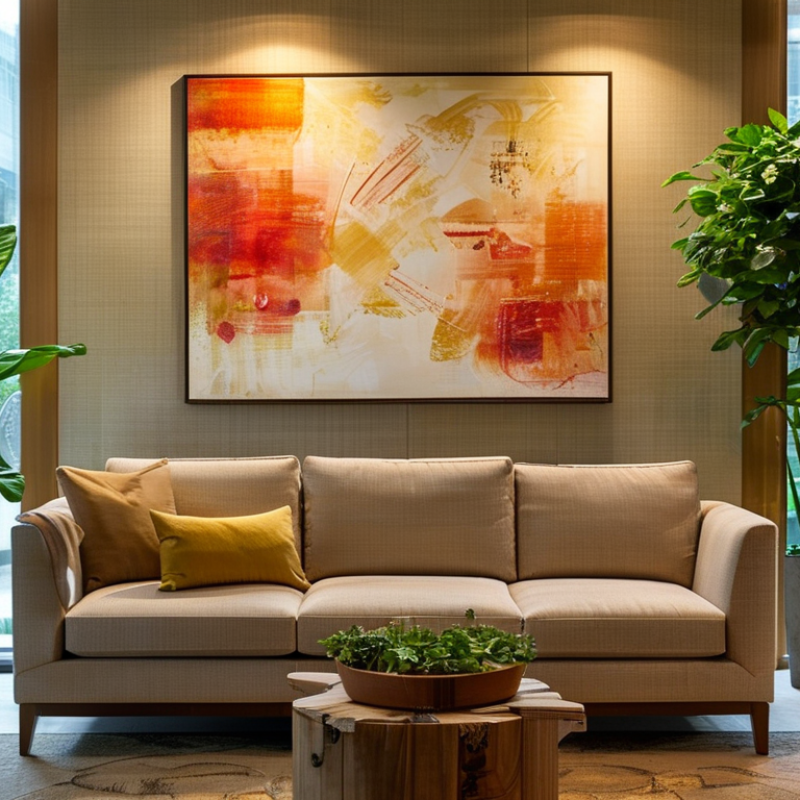
Creating a welcoming client reception area relies on several design elements. The space should blend comfort and professionalism. Selecting the right color palette is key. Soft, warm colors can create a calming environment. Textured materials, like wood or fabric, can add warmth too.
Tips: Use natural elements. Plants can invigorate the space. They not only improve air quality but also offer a sense of tranquility. Consider how furniture is arranged. A welcoming setup can encourage interaction and ease the tension of waiting.
Lighting plays a crucial role in setting the mood. Use soft, adjustable lighting instead of harsh fluorescents. A well-lit area highlights the design and makes it feel inviting. However, don't overlook potential missteps. An overly cluttered space can feel chaotic. Balancing decor with open space is essential.
Your reception area should communicate your brand's values. This can be reflected in artwork, decor, or branding materials displayed. Ensure that these elements are not overwhelming. They should inspire discussion and connection. Reflect regularly on how the space feels to clients. Adjustments may be necessary. A welcoming atmosphere can make clients feel valued and at ease.
This bar chart illustrates the most important elements that contribute to a welcoming client reception area based on a survey of design professionals.
When designing a client reception area, color and lighting play crucial roles. Warm hues like soft yellows, light browns, and gentle blues can create an inviting atmosphere. These shades evoke feelings of comfort and tranquility. For instance, a muted earth tone on the walls can balance well with lighter furniture, resulting in a space that feels cozy yet professional.
Lighting significantly impacts mood. Natural light is ideal for its uplifting qualities, fostering energy and enthusiasm. However, if natural light is scarce, consider using warm LED lights. They mimic sunlight and create a soft glow. Overhead fixtures should be complemented by table lamps or wall sconces that add warmth. Dimmer switches provide flexibility, allowing adjustments for different times of the day.
While it's essential to focus on color and lighting, constantly seeking a perfect balance can be challenging. A space may initially feel inviting but can seem overwhelming with excessive brightness or clashing colors. Regularly reassessing elements helps maintain a welcoming environment. Thoughtful choices in these areas can transform a cold, sterile reception into a vibrant and engaging space for clients.
Creating a welcoming client reception area hinges significantly on
furniture selection. Comfortable seating options can greatly affect clients' perceptions. A study by the
International Facility Management Association revealed that 90% of
first-time visitors form an opinion based on the reception area's design.
Soft, inviting chairs encourage longer stays, allowing for more meaningful conversations.
The aesthetics of furniture also play a crucial role in engagement.
Neutral tones paired with vibrant accents can enhance the ambiance.
Research from the Harvard Business Review highlights that a well-designed office
fosters creativity, and 67% of employees feel more productive in
thoughtfully designed spaces. However, one must avoid overcrowding. Too much furniture can lead to
confusion rather than comfort, making clients feel reluctant to engage.
Lighting is another element often overlooked. Warm, adjustable lighting
creates a cozy atmosphere. Bright, harsh light can be off-putting and stressful. Balancing natural light
with controlled artificial sources is ideal. Reflecting on the overall layout is key to ensuring a
seamless flow for both clients and staff. Even small adjustments can yield significant improvements
in client experience.
Creating a welcoming client reception area can significantly impact first impressions. One effective strategy is to incorporate nature into the design.
Plants and natural elements not only enhance aesthetics but also promote well-being. A lush green plant or a striking floral arrangement can instantly elevate the atmosphere.
Natural light, if possible, brings warmth and life to the space.
Tips:
Select easy-to-care-for plants like succulents or snake plants. These require minimal maintenance and thrive in various conditions.
Consider adding textures, such as wooden furniture or stone accents, to echo the natural theme.
Incorporating water features is another appealing option. The gentle sound of flowing water can create a serene environment.
However, be mindful of the need for regular upkeep. A small fountain or a fish tank can be both visually and audibly calming.
Tips:
Evaluate the size of the feature to ensure it doesn’t overwhelm the space.
Choose colors that complement the calming nature theme.
Too many bold colors can create chaos rather than tranquility.
Balancing nature with a clean, organized layout helps foster a welcoming feel.
Let nature work its magic in your reception area.
Creating a welcoming client reception area involves thoughtful design and personal touches. Art plays a significant role in making clients feel at home. According to a report by the American Institute of Architects, 74% of people feel more positive when surrounded by art. It also stimulates conversations and fosters connections with clients. Selecting pieces that reflect your brand values can promote a stronger bond.
Incorporating brands into visual elements can enhance the reception experience. Use color schemes that align with your branding. A study from the Institute of Color Research shows that color can increase brand recognition by up to 80%. Subtle branding through décor can make clients feel they are in a space tailored for them.
**Tip:** Consider local artists to display their work. This adds a personal touch and supports your community.
Another important factor is the furniture arrangement. Clutter can make a space feel uninviting. Research by the Interior Design Institute highlights that open layouts encourage flow and connection. Ensure seating is comfortable yet professional.
**Tip:** Regularly evaluate your space. If an artwork or furniture no longer resonates, it’s time to rethink those choices.
Expecting instant warmth can be unrealistic. Designing for genuine connection takes time and reflection. Focusing on your reception area's small details can lead to significant changes.
| Aspect | Description | Importance Level |
|---|---|---|
| Comfortable Seating | Soft, inviting chairs and sofas that encourage clients to relax. | High |
| Natural Light | Large windows or skylights that bring in sunlight and reduce stress. | Medium |
| Branding Elements | Consistent use of color and logos that reinforce the brand identity. | High |
| Artwork | Thoughtfully selected art pieces that reflect the company's values or culture. | Medium |
| Refreshments | Offering coffee, tea, or snacks to create a hospitable atmosphere. | Medium |
| Personalized Greeting | A friendly receptionist who greets clients by name upon arrival. | High |
| Technology Integration | Convenient electronic check-in systems that streamline the process. | Medium |
: Comfort, professionalism, and a thoughtful color palette are essential.
Soft, warm colors create a calming environment, enhancing client comfort.
A welcoming layout encourages interaction and eases clients' waiting experience.
Soft, adjustable lighting sets a pleasant mood and enhances the space's appeal.
Plants and natural features enhance aesthetics and promote well-being.
Easy-to-care-for options like succulents or snake plants are ideal for low maintenance.
Yes, gentle sounds from water create a serene environment but need regular upkeep.
Thoughtful artwork and decor can reflect the brand's values without overpowering clients.
Clutter and chaotic decor can make the space feel unwelcoming and disorganized.
Regular reflections on the space's feel can help ensure it remains welcoming.
A welcoming client reception area is essential for making a positive first impression and fostering engagement. To answer the question, "What makes a reception area welcoming for clients?", several key design elements come into play. The use of color and lighting can significantly affect the atmosphere, creating a warm and inviting environment. Thoughtful furniture selection prioritizes comfort and aesthetics, encouraging clients to feel relaxed and at ease.
Incorporating natural elements such as plants can enhance the space's appeal, while personal touches like branded artwork serve to connect with clients on a deeper level. Together, these factors create a cohesive and inviting reception area that not only welcomes clients but also reflects the values and personality of the business.

Vant Furniture