In today's fast-paced world, many people work from home. With limited space, knowing how to organize a small home office efficiently becomes crucial. A cluttered workspace can hinder productivity and creativity. It is essential to find solutions that maximize every inch of your office.
Effective organization involves both physical arrangement and the use of technology. Thoughtful layouts can significantly impact your work experience. For example, consider vertical storage options to utilize wall space. This change can create more room on your desk, allowing for better focus. Another aspect is the way we use our tools. Not all office items are essential. Reflecting on what you truly need is beneficial.
Additionally, personalizing your space can improve motivation. However, it is important to strike a balance. Too many personal items can lead to distractions. Creating an efficient workspace requires continuous reevaluation of your setup. Regularly assessing how your office environment functions is key to long-term success.
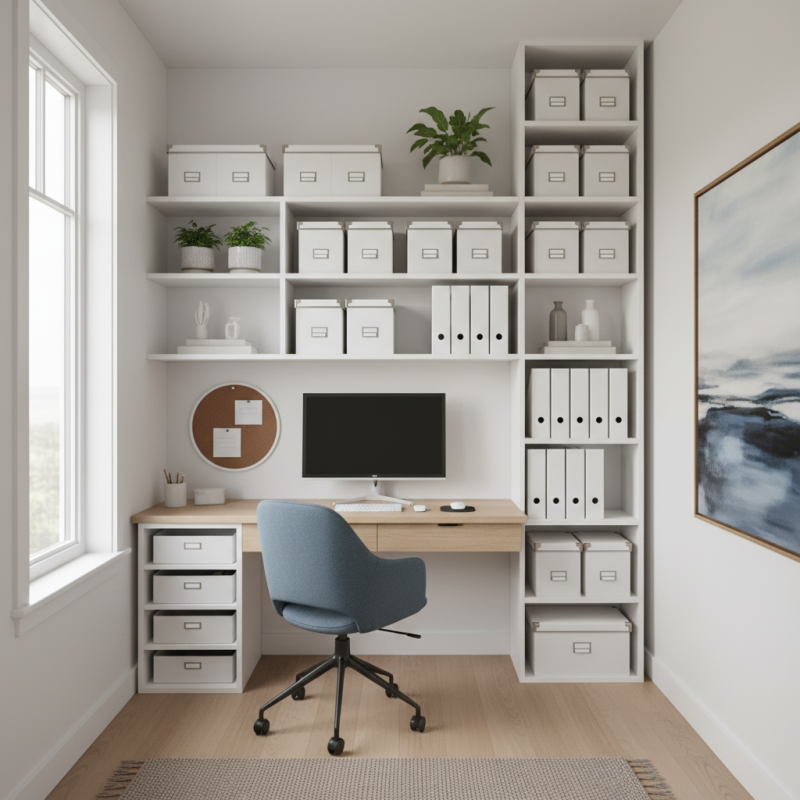
When it comes to creating an efficient small home office, assessing your space is crucial. Begin by measuring the dimensions of your office area. According to a report by the National Association of Home Builders, more than 60% of remote workers lack adequate space for productivity. A precise understanding of your workspace allows for tailored organization.
Mapping out your office layout is equally important. Visualizing how each piece of furniture will fit enhances the flow of your workspace. Studies suggest that well-organized spaces can increase productivity by up to 20%. Use a simple graph or an app to create a visual representation of your arrangement. This will also help in identifying any clutter-prone areas.
Don’t overlook the small details. Each item should serve a purpose. Clutter can lead to distraction, creating a less efficient work environment. However, it’s okay to keep a few personal items for motivation. Reflect on what works and what doesn’t in your setup. Flexibility is key. As your needs change, your home office should adapt too.
Creating an efficient small home office starts with choosing the right furniture. Selecting essentials impacts your productivity and comfort. A desk should fit your space yet offer enough surface area for your work. Consider models with built-in storage to reduce clutter. Not all desks are equally ergonomic. A bad layout can lead to discomfort and distractions.
When it comes to seating, opt for a chair that supports your posture. Cushioned seats promote longer working hours without fatigue. Look for adjustable heights and customizable features. A chair shouldn’t just look good; it must also feel good. Invest time in testing different options for a better fit.
Storage solutions are crucial in a small space. Use shelves or cabinets that blend with your decor. Vertical space is often overlooked. Organizing vertically can free up floor space and keep essentials at arm's reach. Reflect on what you use frequently and keep those items accessible. Avoid overcrowding your space with unnecessary furniture. Aim for balance and function in every choice you make.
Creating an efficient home office in a small space involves smart use of vertical space. Wall-mounted shelves are an excellent solution. They free up floor area and add storage where it’s needed most. Use them to hold books, office supplies, or decorative items.
Floating shelves work well to keep the area looking clean and organized. Consider varying shelf heights to create visual interest and maximize storage.
Incorporating pegboards is another innovative way to enhance wall space. You can customize them based on your changing needs. Hooks can hold tools, while small containers can keep pens and notepads nearby. This versatile solution allows for easy updates. While it may take time to find the perfect arrangement, experimenting can yield great results.
Don’t forget the importance of color and style in a small office. Light colors can create an illusion of more space. On the other hand, darker shelves can add depth and coziness. Mixing textures and materials can also enhance the ambiance. Finding an effective setup may involve trial and error, but small adjustments can lead to significant improvements in functionality and aesthetic appeal.
Creating an efficient small home office begins with smart storage solutions like bins, baskets, and organizers. Research shows that 60% of remote workers feel more productive when their workspace is organized. Using the right storage options can transform clutter into a streamlined setup. For instance, clear bins allow you to see essential items at a glance while keeping the space neat.
Baskets are versatile and can hold everything from documents to office supplies. They come in various sizes, ensuring you can tailor your storage to fit your specific needs. The Container Store's survey highlights that 73% of people find their productivity improves in an organized workspace. However, it’s essential to regularly reassess your storage choices. Is a basket overflowing? It may signal that it’s time to declutter.
Organizers also help segregate items effectively. Drawer dividers can turn a chaotic drawer into a system that is easy to navigate. While investing in organizers can be beneficial, many can be DIY projects. Simple cardboard dividers or repurposed containers can be effective. Yet, a common pitfall in organizing is overestimating your space. This often leads to overcrowded desks filled with unnecessary items. Reflecting on these issues ensures a continually functional environment.
| Strategy | Description | Benefits |
|---|---|---|
| Use Bins | Store supplies in labeled bins to reduce clutter. | Easy access and visual organization. |
| Implement Vertical Storage | Utilize wall space with shelves and pegboards. | Maximizes floor space and keeps items off surfaces. |
| Use Drawer Organizers | Divide drawers into sections for various tools. | Improves efficiency in finding items quickly. |
| Label Everything | Create clear labels for all bins and folders. | Enhances organization and saves time searching. |
| Use Desk Organizers | Keep pens, papers, and essential items in reach. | Reduces desk clutter and maintains focus. |
| Incorporate Multi-functional Furniture | Choose furniture that offers storage and usability. | Saves space while providing essential functions. |
| Keep a Clean Desktop | Clear unnecessary items to enhance productivity. | Promotes a clear mind and better focus. |
| Use Color Coding | Assign colors for different tasks or categories. | Quick visual differentiation and organization. |
| Create a Filing System | Organize documents into a structured filing system. | Easy retrieval of important papers and documents. |
| Use Technology for Organization | Leverage apps and tools for digital organization. | Streamlines tasks and reduces physical clutter. |
Lighting and décor play a crucial role in creating a productive home office. Studies indicate that natural light can improve mood and productivity by 15%. Aim for a desk placement that maximizes sunlight during the day. When sunlight is limited, consider investing in white LED lights. They mimic daylight and can enhance focus.
Use colors wisely in your office. According to color psychology, blue hues promote calmness, while yellow can stimulate creativity. Add personal touches like art or plants. A touch of greenery can increase air quality and reduce stress levels. Small plants like succulents are low-maintenance and enhance aesthetics.
Tip: Avoid overcrowding your space. Keep decor minimal to reduce distractions. Ensure your desk is clutter-free to maintain focus. Regularly assess your setup. What works now might not work later. Adapting your environment is key to continuous productivity. Create a space that evolves with your needs, ensuring it remains supportive of your work style.
The chart above illustrates the importance level of various strategies to efficiently organize a small home office. Each strategy is rated on a scale from 1 to 10 based on its effectiveness in creating a productive atmosphere.
: Start by measuring the dimensions of your workspace accurately. Understanding the size is vital for effective organization.
It visualizes how furniture fits, enhancing flow and efficiency. A well-organized layout can boost productivity significantly.
Natural light improves mood and productivity. If that's lacking, opt for white LED lights that mimic daylight.
Different colors impact emotions. Blue promotes calmness, while yellow sparks creativity. Choose colors that align with your work goals.
Clutter can distract and hinder productivity. Keep essential items visible and remove unnecessary objects regularly.
A few motivational personal items are okay. However, too many can clutter. Balance is crucial for maintaining focus.
Yes, regularly assess what works. Flexibility in your setup helps adapt to changing needs and enhances efficiency.
Low-maintenance plants like succulents are perfect. They improve air quality and add aesthetics without overwhelming the space.
Minimal decor reduces distractions. A clutter-free desk helps you focus better on tasks and promotes a productive atmosphere.
Yes, as your work needs evolve, your space should too. Adapting ensures your environment remains supportive and effective.
When considering how to organize a small home office efficiently, it’s essential to start by assessing your space through careful measurement and mapping. Understanding the dimensions of your area will help you choose the right furniture that fosters a functional setup. Opt for pieces that maximize usability without overcrowding the space, ensuring that every item serves a purpose.
Additionally, maximizing vertical space with shelves and wall-mounted solutions can significantly enhance storage capabilities. Implementing smart storage solutions, such as bins, baskets, and organizers, will keep your office clutter-free and promote productivity. Finally, attention to lighting and décor can create a conducive atmosphere for work, making your small home office an inspiring location. By following these strategies, you can transform a compact workspace into an efficient and enjoyable environment.

Vant Furniture