In today’s fast-paced work environments, noise can be a significant distraction. Many offices suffer from constant chatter and ringing phones. To combat this issue, experts like Dr. Emily Roberts, an office design consultant, emphasize the importance of strategic furniture placement. She asserts, “Thoughtful furniture can create a quieter and more productive workspace.”
Understanding **how to reduce noise in a busy office using furniture?** involves more than just aesthetics. Sound-absorbing materials in furniture help dampen echoes. High-backed chairs and plush couches act as barriers against sound waves. These elements not only enhance comfort but also serve a functional purpose.
Moreover, reflecting on the arrangement is crucial. Open layouts are trendy, but they can amplify noise. Incorporating partitions or acoustic panels provides privacy. Each piece of furniture should be chosen with noise management in mind. This thoughtful approach can turn a chaotic office into an oasis of focus.
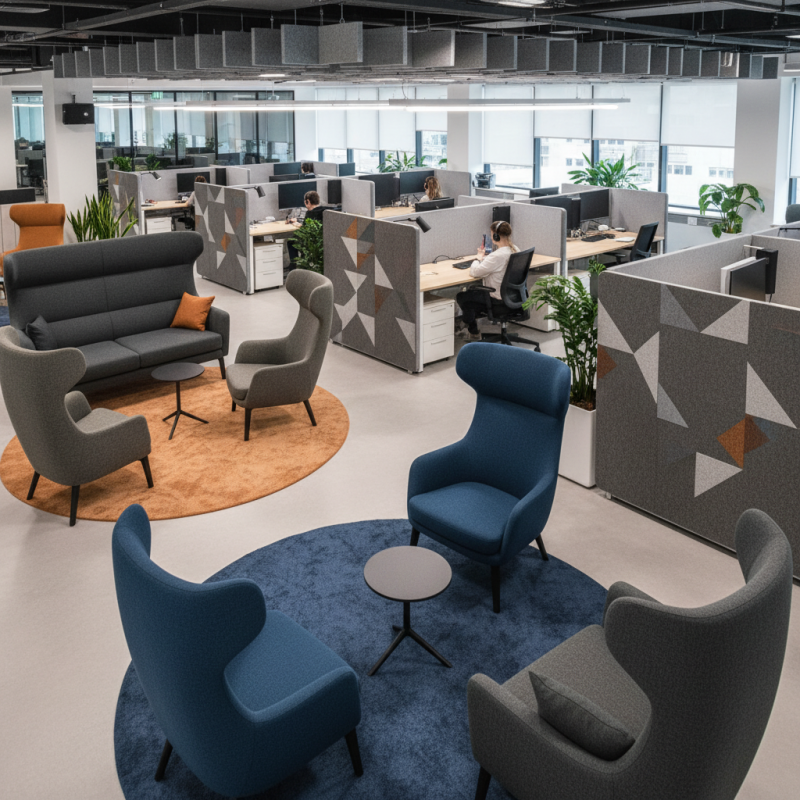
Choosing the right furniture materials is essential for noise reduction in a busy office. Wood, fabric, and specialized acoustic materials play significant roles. Wood can absorb sound to some extent, especially when paired with soft fabrics. This combination helps create a more serene environment.
Fabric choices, such as upholstery with thicker weaves, can trap sound waves effectively.
In addition, consider furniture designed specifically for noise absorption. Acoustic panels integrated into partitions can minimize sound travel. These panels often contain materials like foam or recycled textiles. Seating with plush cushions can also reduce overall noise levels remarkably.
However, not all designs work in every space. Experimenting with different setups is vital.
Office layouts can often lead to unexpected noise issues. A large open space may require more sound-absorbing furniture compared to a smaller room. Reflect on how the furniture arrangement affects sound flow in your space. Adjustments might be needed as staff creates new routines or moves around.
Balancing aesthetics with functionality is challenging, yet it's essential for improving office acoustics.
In bustling office environments, sound can be a major distraction. Effective furniture arrangement plays a crucial role in managing noise levels. Research highlights that effective acoustic design can enhance employee satisfaction by up to 60%. Arranging furniture strategically can help create zones of privacy and minimize sound transmission.
Utilizing soft materials, such as fabric-covered partitions and upholstered chairs, is essential. These elements absorb sound and reduce echoes. Desk placements can also influence acoustic dynamics. Positioning desks away from high-traffic areas can help maintain a quieter workspace. A 2022 study found that employees experience increased productivity when their workspace is designed for acoustic comfort.
Additionally, incorporating plants can improve the acoustic environment. They absorb sound and contribute to a soothing atmosphere. While open-plan offices are popular, they often lead to sound distractions. It's crucial to reflect on the layout regularly. Adjustments based on employee feedback can significantly improve acoustic privacy and overall well-being. Creating a balanced approach to office design requires continuous assessment of how sound travels within shared spaces.
In a bustling office environment, noise levels can impede productivity and overall well-being. Soft furnishings play a crucial role in addressing this issue. According to a report by the World Health Organization, excessive noise can lead to stress and reduced work efficiency. Incorporating textiles like carpets, drapes, and upholstered furniture can significantly dampen sound.
Soft furnishings absorb sound waves, reducing echo and creating a more serene workspace. An office with carpets can reduce sound levels by up to 30%, while fabric wall panels can also contribute to noise reduction. Strategically placing soft seating in common areas not only encourages collaboration but helps in sound dampening.
Tips for Implementation: Consider adding area rugs in open spaces to absorb sound. Use acoustic panels or curtains in conference rooms to block noise. Invest in cushioned furniture for lounge areas. Each small change can lead to a quieter, more focused atmosphere. Reflect on the effectiveness of your current setup and make adjustments as needed; even minor alterations can significantly enhance comfort and productivity.
In a busy office, sound can become overwhelming. Implementing acoustic panels and room dividers can create a serene environment. Acoustic panels are specifically designed to absorb sound. They reduce background chatter and create focus in collaborative spaces. Hanging them strategically on walls adds an aesthetic touch. They come in various colors and textures, making them visually appealing.
Room dividers offer flexibility in space management. They not only separate areas but also help to minimize sound transfer between them. You can use fabric dividers or even wooden panels with soundproof qualities. This adds to the office's dynamics while enhancing privacy. It allows team members to concentrate better.
However, placement is key. Incorrect positioning might not yield the desired effect. Sometimes, panels may not blend well with existing furniture. Finding the right balance is crucial. Experiment with different configurations until achieving an optimal setup. Also, regular assessment may be needed to adapt to changes in the office layout. Engage employees in the process for better results.
| Furniture Type | Noise Reduction Efficiency | Best Use Case | Material Considerations |
|---|---|---|---|
| Acoustic Panels | High | Conference Rooms | Fabric, Foam |
| Room Dividers | Medium | Open-Plan Offices | Wood, Glass, Fabric |
| Carpet Tiles | Medium | Common Areas | Textile Fibers |
| Soft Seating | Low | Breakout Areas | Upholstery, Foam |
| Bookshelves | Medium | Libraries, Study Rooms | Wood, Metal |
Creating distinct zones with furniture can greatly reduce noise in a busy office. By using partitions, desks, and seating arrangements, you can create areas tailored for different activities. For example, a quiet space for focused work can be established with high-backed chairs and sound-absorbing partitions. Meanwhile, a collaborative area can feature open seating and low furniture to encourage communication.
Tips: Use rugs to dampen sound. They can provide both comfort and noise reduction. Consider incorporating plants, as they can also break up sound waves effectively.
Some may argue about the aesthetics of such layouts. Mixing styles can lead to a less cohesive appearance. Yet, functionality should take precedence. Ensure the furniture doesn’t just look good, but serves a purpose in minimizing distractions. Test different layouts and be open to adjustments based on employee feedback. It's a work in progress.
: Certain materials, like wood and fabric, can absorb sound. This reduces overall noise and creates a serene space.
Upholstery with thicker weaves effectively traps sound waves, enhancing the acoustic properties of the furniture.
Yes, furniture with acoustic panels and plush cushions can significantly lower noise levels in an office setting.
Use partitions and varying heights to create distinct zones. This can help control sound flow and reduce distractions.
Yes, large open spaces often require more sound-absorbing furniture compared to smaller, enclosed areas.
Rugs can dampen sound while also adding comfort. They are an easy addition to reduce noise in any area.
Collecting feedback is crucial. It helps you adjust layouts based on actual use and needs, improving overall effectiveness.
Functionality should take precedence. While aesthetics matter, the furniture must effectively minimize distractions and support productivity.
Yes, testing various layouts can lead to better noise management. Don't hesitate to make changes based on observations.
Yes, plants can effectively break up sound waves while also enhancing the office's aesthetic appeal.
In addressing the question of "How to reduce noise in a busy office using furniture?", it's essential to consider various strategies that optimize both comfort and acoustic performance. First, selecting the right furniture materials plays a crucial role in noise absorption; softer materials tend to absorb sound better than hard surfaces. Additionally, arranging furniture strategically can enhance acoustic privacy, creating a more focused work environment.
Utilizing soft furnishings, such as carpets and upholstered chairs, can significantly dampen sound in bustling areas. Incorporating acoustic panels and room dividers allows for the effective segmentation of space, further minimizing distractions. Furthermore, creating designated zones with furniture not only fosters collaboration but also helps to manage noise levels efficiently, contributing to a more productive office atmosphere.

Vant Furniture