Top 10 Tips for Designing an Open Plan Office for Focus

Time:2026-08-07 Author:Sophia
0%

Designing an open-plan office for maximum focus is a challenge that many organizations face today. According to Michael Bloomberg, a renowned figure in workspace design, “A well-designed space enhances productivity and creativity.” His insight points to the importance of thoughtful spatial arrangements that can foster concentration.

Creating areas that minimize distractions is crucial. Employees need zones that encourage focus and collaboration without overwhelming noise. Proper acoustic solutions, for example, can significantly impact the overall effectiveness of an open-plan layout. Natural light and ergonomic furniture also influence how comfortable and productive individuals feel throughout their workday.

While the benefits of open-plan offices are evident, maintaining an environment conducive to focus remains a challenge. Thoughtful elements such as greenery and flexible spaces can enhance the atmosphere. However, constant monitoring and adjustments are necessary to ensure that these spaces truly serve the intended purpose. Establishing a balance between collaboration and concentration can be a complex task, requiring ongoing evaluation and feedback.
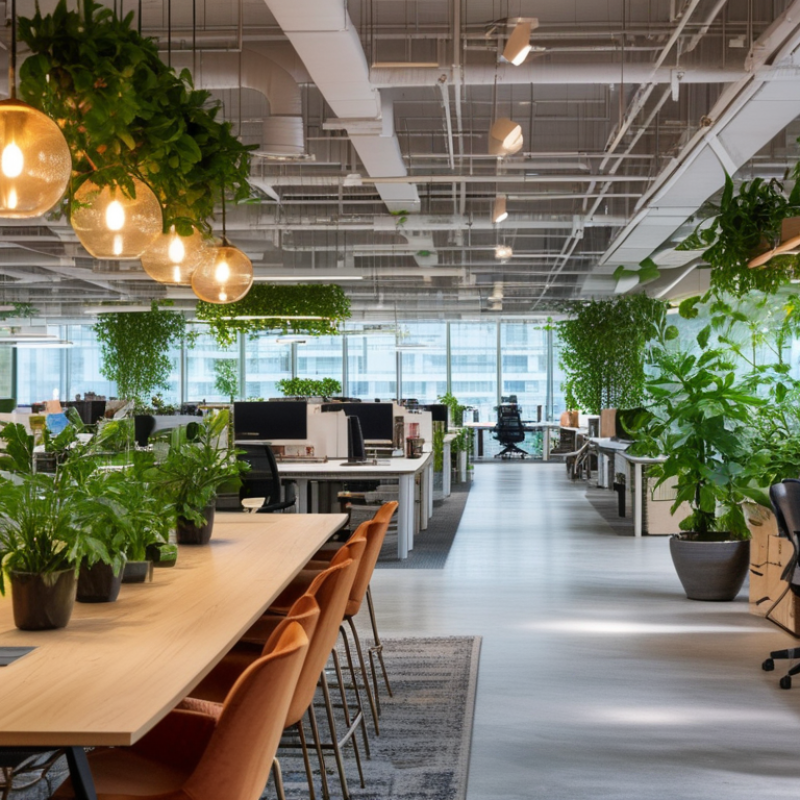
Top 10 Tips for Designing an Open Plan Office for Focus

Key Principles of Open Plan Office Design for Enhanced Focus

Designing an open plan office can enhance focus if done thoughtfully. One key principle is zoned areas. These dedicated spaces allow employees to choose where they work best. Designating quiet zones helps reduce distractions. Noise-canceling materials can also absorb sound, fostering concentration.

Another important aspect is natural light. Windows that bring in sunlight can boost mood and productivity. However, too much light can be distracting. Balancing light sources is essential. Incorporate adjustable lighting to cater to individual preferences. Color choices also matter. Soft, calming tones can create a tranquil environment.

Lastly, flexibility is crucial. Workspaces should adapt to various tasks. Consider furniture that can be rearranged. This flexibility supports collaboration and focus simultaneously. It is essential to gather feedback regularly to understand how spaces function in real life. Frequent reassessment can lead to necessary adjustments.

Top 10 Tips for Designing an Open Plan Office for Focus

This bar chart displays the effectiveness of various design principles in promoting focus within an open plan office environment. Each principle is rated on a scale from 1 to 10 based on research and user feedback.

Incorporating Acoustic Solutions to Minimize Distractions

Designing an open plan office requires a delicate balance between collaboration and focus. Acoustic solutions play a vital role in minimizing distractions in such environments. To achieve this, consider using sound-absorbing materials, like carpets and wall panels, which can effectively dampen noise levels. This step can greatly enhance the work atmosphere, allowing teams to concentrate better.

Another key aspect is the use of designated quiet zones. These areas can be equipped with high-backed chairs and soundproof booths. Employees may need reminders to respect these spaces. This provides workers an escape from the hustle and bustle, enabling them to complete tasks without interruptions.

Incorporating plants can also contribute to improved acoustics. They not only beautify the space but also help absorb sound. However, it’s important to choose the right species that thrive in office conditions. Balancing nature with workspace efficiency can sometimes be challenging, yet it is worth the effort for a productive environment.

Utilizing Flexible Workstations for Personalized Work Environments

Creating a personalized work environment in an open plan office can significantly boost focus and productivity. Flexible workstations allow employees to choose their ideal setup. Some people prefer a standing desk, while others may choose a cozy corner with soft seating. Offering various options caters to diverse working styles and comfort levels.

Incorporating elements such as adjustable lighting or soundproof pods can enhance these spaces. Employees might feel more relaxed and focused in serene environments. However, it’s vital to encourage feedback on these designs. What works for one person may not suit another.

Designing for flexibility means being open to change. Regularly reassessing workspace utilization is crucial. Are the workstations being used effectively? This reflection helps identify areas for improvement. Ultimately, creating an adaptable space is an ongoing journey, requiring creativity and willingness to learn from experience.

Strategic Placement of Natural Light to Boost Concentration

Natural light plays a significant role in enhancing focus and productivity within open plan offices. Studies show that workplaces harnessing natural light can boost employee performance by up to 15%. This increase is linked to improved mood and reduced fatigue, which can lead to heightened concentration levels. Exposure to daylight regulates the body's circadian rhythms. This regulation fosters alertness and enhances cognitive function throughout the day.

Positioning desks near windows is one effective way to maximize natural light. Large glass partitions can also create an open feel while allowing light to penetrate deeper into the workspace. However, it is essential to balance light exposure. Too much sunlight can create glare, reducing focus instead of enhancing it. Employees may find themselves squinting or distracted by the fluctuating brightness. Additionally, personal preferences vary; not everyone thrives in brightly lit conditions. Therefore, offering adjustable shades can help create a balanced environment.

Consideration of artificial lighting is equally vital. When natural light fluctuates throughout the day, high-quality, adjustable lighting can maintain consistent illumination. Reports suggest that combining natural and artificial light can further improve work performance. Designing spaces with a strategic blend not only caters to individual preferences but also enhances overall concentration levels. This dual approach fosters a flexible office layout, accommodating various work styles while prioritizing employee well-being.

Creating Zones for Collaboration and Individual Work Balance

Creating a harmonious balance between collaboration and individual work is crucial in open plan offices. Industry reports indicate that 70% of employees prefer having quiet spaces for focused tasks. This suggests the need for designated zones.

Consider incorporating soundproof booths. These can serve as private spaces for concentrated work. A study from the International Journal of Workplace Health Management highlighted that noise levels could reduce productivity by up to 66%. When noise distracts, focus diminishes.

In addition to quiet zones, create areas for collaboration. Flexible workspaces foster teamwork and creativity. The Harvard Business Review found that well-designed collaborative spaces can improve innovation by 15%. However, striking the right balance is key. Too much open space might disrupt workflow. Continuous assessment and adjustments are essential to meet evolving employee needs.

FAQS

: What is the main benefit of zoned areas in open plan offices?

: Zoned areas allow employees to choose their work environment, enhancing focus and reducing distractions.

Why is natural light important in office design?

Natural light boosts mood and productivity, but it should be balanced to prevent distractions.

How can noise impact productivity in an open office?

High noise levels can reduce productivity by up to 66%, making quiet zones essential for focus.

What role does flexibility play in office design?

Flexibility in workspaces allows adaptation for various tasks, supporting both collaboration and focus.

How can adjustable lighting improve an office environment?

Adjustable lighting caters to individual preferences, creating a comfortable workspace for all employees.

Why is continuous feedback important in office design?

Regular feedback helps understand how spaces function and allows for necessary adjustments based on employee needs.

What is an effective way to create quiet spaces?

Soundproof booths can provide private areas for concentrated work, promoting productivity.

How can color choices affect an office atmosphere?

Soft, calming tones can create a tranquil environment, contributing to a more focused workplace.

What is a potential drawback of too much open space?

Excessively open spaces may disrupt workflow, highlighting the need for designated areas.

How often should office designs be reassessed?

Frequent reassessment is crucial to adapt to evolving employee preferences and maintain productivity.

Conclusion

When considering how to design an open-plan office for maximum focus, it's essential to adhere to several key principles that enhance productivity. First, incorporating acoustic solutions can significantly minimize distractions, allowing employees to concentrate better on their tasks. Additionally, utilizing flexible workstations enables staff to personalize their environments, catering to individual preferences which can improve focus and comfort.

Moreover, the strategic placement of natural light is crucial for boosting concentration and overall well-being. This can create a more inviting workspace that encourages creativity and reduces fatigue. Lastly, establishing distinct zones for collaboration and individual work helps to balance the needs of teamwork with the necessity of focused, uninterrupted tasks. By thoughtfully integrating these elements, organizations can create open-plan offices that foster an environment conducive to enhanced focus and productivity.

Sophia

Sophia

Sophia is a dedicated marketing professional with an exceptional depth of knowledge about her company's products and services. With a keen understanding of market trends and customer needs, she crafts insightful blog posts that not only inform but also engage readers, enriching the company’s online......