Choosing the right office chair is crucial for those suffering from back pain. A significant percentage of the workforce, nearly 80%, will experience back pain at some point. This highlights the importance of selecting a proper seating solution. So, how to choose the best office chair for back pain?
Research indicates that ergonomic chairs can effectively reduce discomfort. Features such as adjustable lumbar support and seat height are vital. According to the American Chiropractic Association, improper seating can aggravate spinal issues. Yet, many individuals overlook ergonomic principles in their chair selection, leading to long-term consequences.
Additionally, the type of materials used for padding and support impacts your comfort level. Some people may buy chairs based solely on aesthetics, neglecting essential ergonomic features. It's essential to reflect on these choices and understand the profound impact they have on daily productivity and overall well-being.
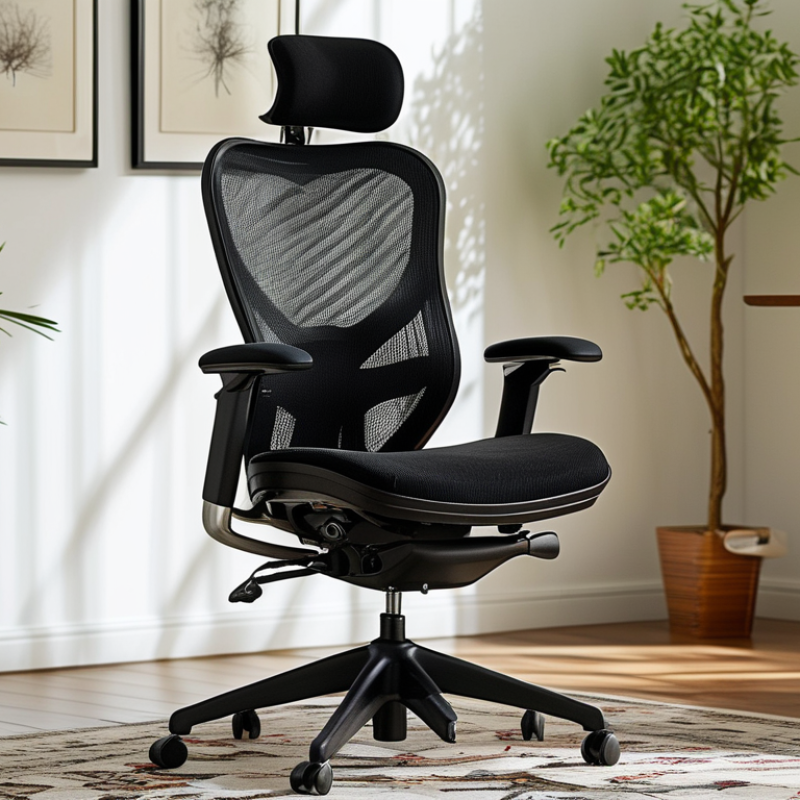
When choosing an office chair, ergonomics plays a crucial role in preventing back pain. Research shows that nearly 80% of adults experience back pain at some point. This emphasizes the need for well-designed office chairs that support our bodies. An ergonomic chair encourages proper posture and minimizes stress on the spine.
Many office chairs lack adequate lumbar support. A study from the American Chiropractic Association highlights that chairs without lumbar support can lead to increased discomfort. Features like adjustable seat height, backrest, and armrests help adapt the chair to individual needs. Ideal chair height should allow feet to rest flat on the floor while providing support to the back.
Despite advancements in ergonomic designs, not all chairs meet the necessary criteria. Many users often overlook the importance of testing a chair before purchasing. Taking the time to adjust settings during trials can lead to better long-term comfort. Ultimately, investing in an ergonomic chair is a step toward enhancing productivity while minimizing pain.
This chart illustrates the top 10 important factors to consider when choosing an office chair that can help mitigate back pain. Each feature is rated on a scale from 1 to 10 based on its importance for ergonomic support and overall comfort.
When selecting an office chair for back pain relief, focus on key features that support your posture. Look for ergonomic design. This means the chair should contour to your body. A chair with adjustable lumbar support is crucial. It should fit the natural curve of your spine. A well-placed lumbar support can significantly reduce strain on your lower back.
Another important aspect is seat height. Your feet should rest flat on the floor. If not, consider footrests. The seat depth is also vital. It should allow you to sit back comfortably while maintaining a few inches between the back of your knees and the seat. This configuration promotes circulation and eases tension.
Material matters as well. Breathable fabric can enhance comfort during long hours. However, be wary—cheap materials may not offer the best support. Testing the chair is essential. Sit for a while to gauge comfort levels. Even minor discomfort can signal a poor choice. Pay attention to how it feels after extensive use. Your chair should be a long-term investment in your health.
Choosing the right office chair is crucial for back pain relief. Adjustability plays a key role in finding comfort. Each body type is unique. Therefore, an adjustable chair can significantly reduce discomfort. Look for chairs with adjustable seat height and backrest angles. The lumbar support should fit your spine's natural curve.
Comfort can vary with different adjustments. It’s easy to overlook certain features. For instance, armrests should adapt to your arm length. They should support your arms without causing strain. Ideally, they should allow freedom of movement. You may need to experiment with leverage and tension settings. Small changes can lead to improved posture and reduced pain.
Many people underestimate the importance of fit. A chair that doesn’t align with your body can lead to long-term issues. Remember, comfort is subjective. What works for others may not work for you. Don’t hesitate to make adjustments throughout the day. Pay attention to your body’s signals. This practice fosters a healthier work environment. Each adjustment brings you closer to comfort.
When selecting an office chair, the materials and support play a crucial role, especially for those suffering from back pain. High-density foam cushions offer excellent comfort while retaining shape. A chair should feature breathable fabric to promote airflow. This can help reduce discomfort during long hours of sitting. Leather may look appealing but can become hot and sticky over time.
The backrest is equally important. An adjustable backrest allows you to align it with the natural curve of your spine. Look for chairs with lumbar support; they help maintain proper posture. A chair that doesn’t support the lower back can lead to strain. It’s vital to try before you buy. Feel how the chair conforms to your body. You might find that some designs just don’t fit.
Reflect on your personal needs. Allergies could make some materials unsuitable. Consider the firmness of the cushion as well. What feels good at first might not hold up after extended use. A chair may offer initial comfort but lack long-term support. Pay attention to these details, as the right chair makes a significant difference in your work life and overall well-being.
When selecting the best office chair for back pain, budget plays a crucial role. Many comfortable, ergonomic chairs come with high price tags. However, you don't always need to spend a fortune to find relief. Look for options that provide adequate lumbar support and adjustable features without breaking the bank.
A good chair doesn’t have to be pricey, but it should fit your body well. Consider visiting local stores to test chairs before buying. This hands-on approach can help you find the right one. Online reviews can also guide your choice. Be mindful that some cheaper options may lack durability or essential features.
Quality materials are important, even on a budget. Look for chairs with breathable fabric or supportive foam. These details contribute to comfort during long work hours. Remember, you might need to try several models. Reflect on what works best for you, and stay open to adjusting your choice later. Sometimes, the cheapest chair may lead to future discomfort. Balancing affordability with quality should be your goal.
: Focus on ergonomic design and lumbar support that contours to your spine.
Your feet should rest flat on the floor. Consider a footrest if necessary.
Ideal seat depth promotes circulation and eases tension behind your knees.
Choose breathable fabric for comfort, but avoid cheap materials that lack support.
Sit for a while to gauge comfort. Minor discomfort can indicate a poor fit.
Each body type is unique, so adjustability helps reduce discomfort effectively.
Armrests should adapt to your arm length and support without causing strain.
Small changes can improve posture and reduce pain. Experiment with settings often.
Your comfort is subjective. Pay attention to signals to foster a healthier work environment.
Yes, a chair not aligned with your body can lead to chronic discomfort and health issues.
When considering how to choose the best office chair for back pain, understanding the role of ergonomics is crucial. An ergonomic chair is designed to support the natural curvature of the spine, reducing strain on the back during long hours of sitting. Key features to look for include adjustable seat height, lumbar support, and the ability to modify armrest positions to fit individual body types.
Additionally, the materials used in the chair play a significant role in comfort and support. High-quality cushions and backrests can enhance the seating experience, promoting better posture and relieving discomfort. However, it’s important to balance these quality features with budget considerations, ensuring that you find a chair that meets your needs without overspending. By focusing on these elements, you can effectively select an office chair that helps alleviate back pain and improves your overall well-being at work.

Vant Furniture