Choosing fire-resistant office furniture is crucial for workplace safety. In a world where fire hazards can emerge unexpectedly, selecting appropriate materials is essential. Expert safety consultant John Miller emphasizes, "Investing in fire-resistant furniture is investing in your team's safety."
When considering how to choose fire-resistant office furniture for safety, understanding the features of various materials is vital. Look for certifications that indicate flame resistance. Materials like steel and specially treated woods can offer substantial protection. However, the broader question remains: Is the furniture truly effective against fire?
It's not only about aesthetics. While you want your office to look good, safety cannot be sacrificed for style. Some furniture items may appear safe but may not meet fire safety standards. Regularly reevaluating your choices encourages better decisions. Therefore, approaching this topic with a focus on both functionality and appearance is critical.
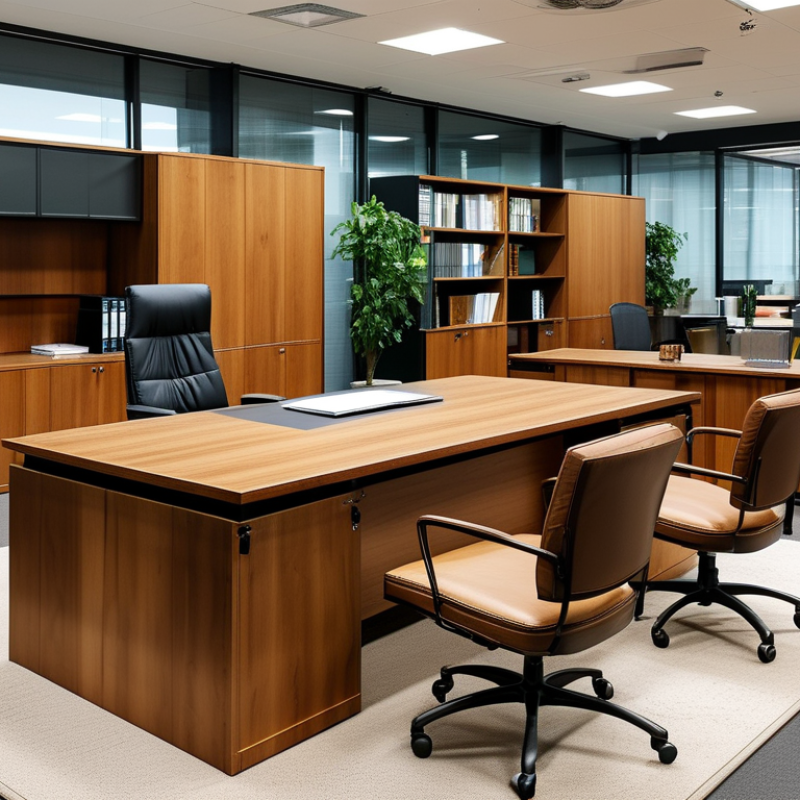
When selecting fire-resistant office furniture, understanding fire resistance ratings is crucial. These ratings indicate how well a material can withstand fire. Materials that achieve high ratings are less likely to ignite and can withstand exposure to flames for a designated period. This can offer valuable time for evacuation in case of a fire.
Look for furniture made from materials like steel or specially treated fabric. These materials can provide better protection compared to traditional wood or plastic options. Familiarize yourself with terms like "Class A" or "Class 1" ratings. These classifications indicate superior fire resistance and are often required in commercial settings.
It's important to reflect on the specific needs within your office environment. While investing in furniture with high fire resistance ratings is wise, consider balancing cost and aesthetic value. Sometimes, the most stylish options may not offer the best safety features. Assessing your priorities will help ensure you make an informed choice, one that aligns with both safety and design.
When selecting fire-resistant office furniture, material choice is crucial. Certain materials inherently offer better fire resistance. Steel, for instance, is widely recognized for its non-combustible properties. It withstands high temperatures, ensuring greater safety in case of fire. According to a report by the National Fire Protection Association (NFPA), metal furniture shows minimal fire risk compared to wooden options.
Fabrics and upholstery play a significant role too. Look for textiles treated with fire retardants. These treatments can significantly delay ignition and combustion. The American Society for Testing and Materials (ASTM) has set benchmarks for evaluating fire resistance. Furniture with compliant components often meets rigorous safety standards. Notably, some synthetic materials such as polyester provide excellent fire-resistive qualities, but they can still ignite under extreme conditions.
Choosing particleboard or plywood often leads to concerns about flammability. While these materials are common, they can be a liability. Flame spread can be rapid on such surfaces, suggesting a need for caution. Investing in fire-resistant materials is not just about safety; it’s about creating a secure workspace. Regular audits and evaluations of material performance should be a part of your office safety plan. This approach reflects a commitment to employee safety and wellbeing.
When selecting fire-resistant office furniture, design features play a crucial role in enhancing safety. Look for materials that are naturally fire-resistant, such as steel or flame-retardant treated fabrics. These materials can withstand higher temperatures and minimize the risk of combustion. Offices should also consider furniture with smooth, solid surfaces. This can prevent dust accumulation, which can act as potential fuel in a fire.
Another important aspect is the construction of the furniture. Well-constructed pieces with sealed edges can help contain flames and prevent them from spreading. Additionally, consider the inclusion of fire-resistant coatings or finishes. While aesthetics are important, the primary aim should be safety. Open shelves may look modern, but they can pose risks if not made with fire-resistant materials.
Ventilation and layout also matter. Furniture that allows for proper airflow can reduce heat buildup. Avoid overcrowding workspaces, as this can hinder escape routes in an emergency. It’s beneficial to seek guidance from fire safety professionals when designing an office layout. While fire-resistant furniture is essential, an integrated approach to fire safety increases overall security in the workplace.
Fire safety is a crucial consideration when selecting office furniture. Compliance with fire safety standards protects lives and property. Many businesses underestimate the fire risk associated with furniture materials. This can lead to tragic outcomes in case of a fire. Choosing fire-resistant materials is essential for reducing potential hazards in an office.
Understanding local fire safety regulations is vital. Many regions have specific guidelines regarding office furnishings. Familiarizing yourself with these regulations helps ensure compliance and enhances safety. You might find that some materials are unacceptable for commercial use. Skipping this research could expose your office to significant risks.
Investing in certified fire-resistant furniture is a proactive measure. It demonstrates a commitment to employee safety. While aesthetically pleasing options exist, they must meet safety requirements. Often, there is a misconception that fire-resistant furniture is bland. However, many modern designs are both stylish and safe. Evaluating fire safety standards can shift your perspective on furniture choices.
| Tip No. | Tip Description | Material Type | Certification Standards |
|---|---|---|---|
| 1 | Choose furniture made from fire-retardant materials. | Metal, treated wood | ASTM E84, NFPA 701 |
| 2 | Look for furniture with a fire rating. | Upholstered furniture | CAL117, BS 5852 |
| 3 | Ensure that all components are compliant with safety standards. | All material types | ISO 11925-2 |
| 4 | Consider the overall layout and spacing for fire safety. | N/A | N/A |
| 5 | Select office furniture with minimal flammable materials. | Synthetic fabrics | FR Standard Test |
| 6 | Prioritize modular and adjustable designs. | Various | EUROCLASS |
| 7 | Verify the warranty and service options for fire safety. | N/A | N/A |
| 8 | Check for user reviews and feedback on safety performance. | All material types | N/A |
| 9 | Assess the maintenance requirements for fire-resistant properties. | All material types | N/A |
| 10 | Consult with fire safety professionals for expert advice. | N/A | N/A |
When evaluating fire-resistant office furniture, manufacturer certifications play a crucial role. Look for certifications from recognized organizations. These certifications ensure that products meet strict fire safety standards. It can be confusing to decipher different labels. Focus on companies with a proven track record. Their reputation often reflects quality and reliability.
Consider the materials used in office furniture. Fire-resistant ratings can vary based on the components utilized. Products made from heavy-duty steel or specialized fire-retardant materials are usually safer. Take time to research the specifications provided by manufacturers. Don’t hesitate to ask questions about their testing methods. Understanding how products are evaluated adds to your confidence in making a decision.
For your selection process, consider these tips. Check if the manufacturer shares their testing results publicly. A transparent approach indicates trustworthiness. Pay attention to the age of the certifications. Older certifications may not reflect current safety regulations. Finally, look for customer reviews focusing on long-term durability and safety. These insights can help paint a more complete picture of the product's performance over time.
: Fire resistance ratings indicate how well materials can withstand fire. Higher ratings mean better protection from ignition.
Steel and specially treated fabrics provide superior fire resistance. Traditional wood can pose higher risks.
Certain materials resist ignition better. Choosing metal or fire-retardant fabrics enhances safety in case of a fire.
Features like smooth surfaces and sealed edges can prevent flame spread. Design should prioritize safety over aesthetics.
Fabrics treated with fire retardants can delay combustion. Avoid untreated textiles, as they may ignite easily.
Particleboard has high flammability risks. It can ignite quickly, so caution is advised when choosing this material.
Properly spaced furniture allows airflow and keeps escape routes clear. Avoid overcrowding to enhance safety.
While style is important, safety must come first. Sometimes, attractive options may lack essential fire safety features.
Conduct regular audits of material performance and fire safety features. This ensures a safe working environment for everyone.
Fire safety professionals can guide office layout and furniture selection. Their expertise enhances overall workplace safety.
When considering how to choose fire-resistant office furniture for safety, it's essential to understand the various fire resistance ratings available. These ratings indicate how well furniture can withstand fire exposure and can significantly impact safety in the workplace. Opting for materials specifically designed for fire resistance is crucial, as some substances can better withstand high temperatures and prevent the spread of flames.
Additionally, certain design features can enhance fire safety in office furniture, such as rounded edges and non-combustible components. Compliance with fire safety standards ensures that the furniture meets industry regulations, providing an added layer of protection. Finally, evaluating manufacturer certifications for fire-resistant products is vital, as reputable manufacturers will have their items tested and certified for safety, ensuring peace of mind for any office environment.

Vant Furniture