As the workplace evolves, the question arises: What are the latest trends in sustainable office design? According to a recent report by the Global Workplace Analytics, sustainable design can reduce energy costs by up to 30%. Businesses are now more aware of their environmental impact. Incorporating eco-friendly materials and energy-efficient systems is no longer a choice; it has become a necessity.
A focus on natural light and indoor greenery has become a primary feature in modern designs. Studies from the World Green Building Council show that environments incorporating plants can improve employee well-being and boost productivity. Technology also plays a key role, with smart systems optimizing energy usage and enhancing comfort. However, challenges remain. Many companies struggle with the upfront costs of sustainable materials and technologies.
The desire for sustainability often conflicts with traditional design practices. While trends show positive movement, continuous reflection on our choices is crucial. The path to sustainable office design is complex yet rewarding. As awareness grows, understanding these trends can help businesses lead in this critical area.
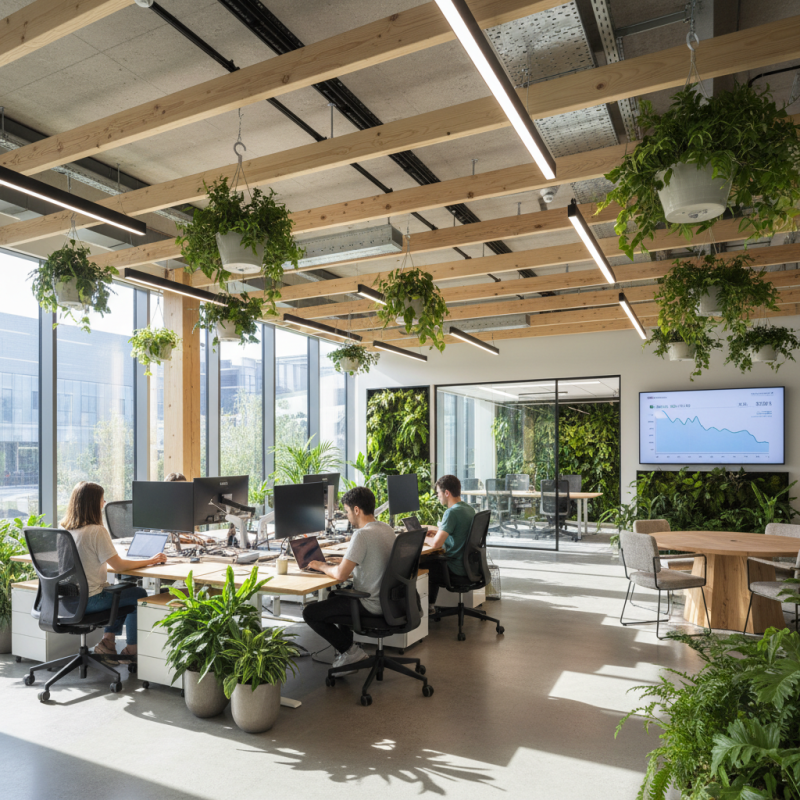
Sustainability plays a crucial role in modern office design. Companies are increasingly recognizing the need for eco-friendly spaces. A recent report from the World Green Building Council reveals that green buildings can reduce operational costs by up to 30%. This significant reduction appeals especially to businesses aiming for long-term profitability.
One of the leading trends is the incorporation of natural light. Research indicates that natural light can boost employee productivity by 15%. Furthermore, plants bring not only aesthetic appeal but also cleaner air. According to NASA, some indoor plants can remove up to 87% of airborne toxins within 24 hours. The visual connection to nature enhances overall well-being.
However, some firms still struggle to fully embrace sustainable practices. Budget constraints often limit their capacity for green upgrades. Employees may resist changes in workspace layouts. These challenges highlight the need for ongoing education about sustainability’s benefits. Realizing the potential of sustainable office design requires dedication and persistence. The future of workspaces lies in their ability to adapt to these pressing environmental needs.
Creating eco-friendly office spaces is becoming essential in today’s business environment. Research shows that sustainable design can reduce energy use by up to 30%. A key element in this trend is the use of natural light. Studies indicate that offices with adequate daylight can boost productivity by up to 15%. Large windows and open layouts can enhance this effect, making employees feel connected to the environment.
Another critical aspect is the choice of materials. Sustainable offices often utilize recycled or rapidly renewable materials. For instance, bamboo flooring and reclaimed wood not only minimize carbon footprints but also add aesthetic value. In contrast, companies sometimes overlook indoor air quality. A report from the World Green Building Council states that poor air quality can lead to a 10% drop in productivity. Having plants in the workspace can improve air quality while creating a calming atmosphere.
Energy-efficient appliances contribute significantly to eco-friendly office designs. Properly selected equipment can cut energy costs by as much as 20%. However, businesses frequently face challenges in retrofitting older buildings. They often need to balance modern sustainability standards with existing structures. This reflection on design choices highlights the complexity of creating truly sustainable office spaces. Effective strategies require ongoing commitment and a willingness to adapt.
Innovative materials and technologies are transforming sustainable office design. These advancements help in creating eco-friendly environments that enhance productivity. For instance, biophilic design incorporates natural elements. This approach uses living walls, green roofs, and large windows. These elements improve air quality and increase employee well-being.
Recycled and upcycled materials are gaining traction. Designers use reclaimed wood, metal, and glass. This not only reduces waste but adds character to spaces. Smart technology is also playing a significant role. Sensors manage lighting and climate efficiently. This minimizes energy consumption and lowers operational costs.
However, challenges remain. Not all sustainable materials are readily available. Some may be more expensive than traditional options. Finding a balance between cost and sustainability is essential. Moreover, not everyone understands these designs. Continuous education is crucial for widespread adoption of sustainable practices.
Biophilic design is a key trend in sustainable office design. It emphasizes incorporating natural elements into workplace environments. This approach enhances employee well-being and boosts productivity. Adding plants, natural light, and organic materials creates a calming atmosphere. Such elements can reduce stress and improve focus.
Designing with biophilia in mind may not be perfect. Not every plant thrives indoors, and natural light can be hard to access in urban settings. Creating green spaces can also be costly and time-consuming. However, even small changes can make an impact. For example, introducing indoor plants and using wooden furniture can create a more inviting space.
Collaborative workspaces benefit greatly from biophilic design. Natural elements can encourage connection and creativity among team members. Combining aesthetics with functionality has become essential. Yet, balancing nature with technology remains a challenge. Finding the right blend is crucial for optimizing the modern office.
| Dimension | Description | Benefits | Implementation Examples |
|---|---|---|---|
| Natural Light | Maximizing daylight through design to reduce energy consumption. | Improved mood and productivity, lower energy costs. | Large windows, skylights. |
| Plant Life | Incorporating plants to enhance aesthetic and air quality. | Reduced stress, increased creativity. | Vertical gardens, potted plants. |
| Natural Materials | Using sustainable materials like wood and bamboo. | Enhanced emotional comfort, eco-friendliness. | Wooden furniture, cork flooring. |
| Water Features | Incorporating water elements to promote relaxation. | Stress reduction, better air quality. | Fountains, indoor ponds. |
| Open Spaces | Designing flexible workspaces that mimic outdoor environments. | Improved collaboration, increased engagement. | Flexible meeting areas, lounge spaces. |
Flexible workspaces are revolutionizing sustainable office design. By offering adaptable spaces, these environments align with the evolving nature of work. Employees can choose where they feel most productive—whether in a collaborative area or a quiet nook. This flexibility can reduce the need for large, single-use offices, leading to lower energy consumption.
However, creating truly sustainable flexible workspaces requires thoughtful planning. It's not just about moving furniture around. Materials used in the design must be eco-friendly. Energy-efficient lighting and heating systems are essential.
Designers often face challenges in balancing style with functionality. Also, sourcing sustainable materials can be more complex and costly.
Creating a flexible workspace also revolves around technology. Digital tools enable remote work and help maintain productivity. But can this lead to overdependence on tech? Finding the right balance is crucial. Flexibility should enhance sustainability, not hinder it. Thus, as companies embrace these trends, reflecting on their approach is vital for genuine sustainability.
: Biophilic design integrates natural elements into workplaces to enhance well-being.
Incorporating plants and natural light boosts focus and reduces stress.
Yes, not all plants thrive indoors, and accessing natural light can be difficult.
Simple additions like indoor plants and wooden furniture create a welcoming environment.
They allow employees to choose their productive areas, reducing energy use.
Using eco-friendly materials and ensuring energy-efficient systems is essential.
Yes, while technology aids productivity, overdependence can be a concern.
It maximizes employee comfort without compromising environmental sustainability.
Companies need to evaluate their approach to ensure true sustainability efforts.
Not necessarily; it requires thoughtful planning to truly enhance sustainability.
As businesses increasingly prioritize sustainability, the question arises: "What are the latest trends in sustainable office design?" Modern office spaces now focus on eco-friendliness, incorporating key elements that minimize environmental impact while enhancing employee well-being. Essential components include energy-efficient lighting, sustainable materials, and water-saving fixtures that collectively contribute to reducing a building's carbon footprint.
Innovative technologies play a crucial role in this design shift, utilizing smart systems that optimize resource use. Biophilic design, which integrates natural elements into workspaces, not only promotes a healthier environment but also boosts employee productivity and morale. Furthermore, the rise of flexible workspaces allows companies to adapt their office layouts in response to changing workforce dynamics, reinforcing the commitment to sustainability by maximizing space efficiency and reducing waste. Together, these trends signify a comprehensive approach to creating environmentally responsible workplaces that benefit both people and the planet.

Vant Furniture