How to Successfully Transition to Agile Office Spaces?

Time:2026-07-08 Author:Mason
0%

As organizations increasingly adopt agile methodologies, transitioning to agile office spaces has become critical. According to a recent report by McKinsey, companies that embraced agile practices saw a 30% increase in productivity. This shift raises the question, "How to transition from traditional to agile office spaces?" Experts emphasize the importance of understanding the needs of employees during this change.

Nick Bloom, a recognized authority in the field, states, "Flexible work environments boost motivation and collaboration." His insights reflect the reality that merely changing the layout isn't enough. Organizations must also cultivate a culture that supports transparency and adaptability. The success of agile spaces hinges on fostering an environment where teams thrive on interaction and flexibility.

However, not all companies excel in this transition. Many struggle to redefine their workspace culture. Employees may find it challenging to adapt to new collaborative practices. Thus, reflecting on these hurdles is crucial for effective transformation. Embracing the journey of transitioning to agile office spaces requires ongoing evaluation and adjustments to ensure alignment with employee needs and business goals.
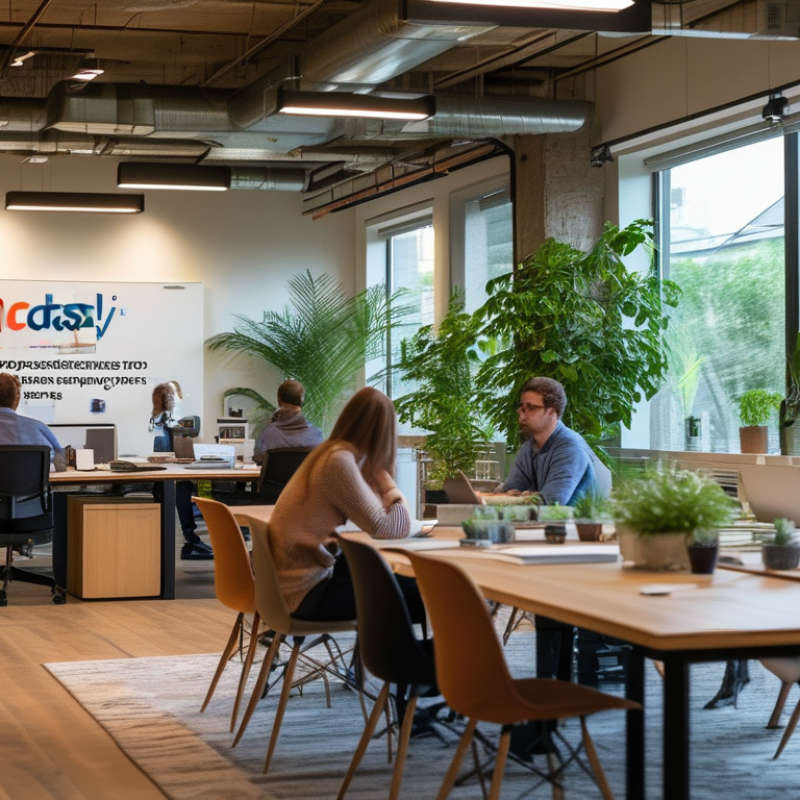
How to Successfully Transition to Agile Office Spaces?

Understanding Agile Office Spaces: Definition and Benefits

Agile office spaces represent a modern shift in workplace design. They focus on collaboration, flexibility, and employee well-being. Understanding these spaces is crucial for businesses aiming for efficiency. Agile offices often feature open layouts and modular furniture. This encourages teamwork and spontaneous interactions. However, not all employees thrive in such environments.

One main benefit of agile office spaces is increased productivity. When teams can collaborate freely, creativity often flourishes. These spaces allow for dynamic work arrangements, accommodating various work styles. Yet, some employees may feel distracted by noise and movement. This highlights the need for quiet zones or private nooks within the design. Balancing openness with privacy is a challenge.

Agile workspaces also boost employee satisfaction. When workers have the freedom to choose where and how they work, engagement improves. Flexibility can lead to better work-life balance. But, it is essential to be mindful of those who prefer routine. Transitioning to agile spaces requires thoughtful planning. Understanding your team's unique needs is key to fostering a truly agile environment.

Assessing Your Current Workspace: Key Considerations for Transition

Transitioning to agile office spaces involves careful assessment of your current workspace. Start by evaluating how your layout supports or hinders collaboration. Open spaces can foster teamwork, but they may also lead to distractions. Quiet zones are crucial for focused work. Consider if your current setup allows for both.

Next, reflect on the technology in your office. Does it enhance flexibility and communication? Old systems may slow your team down. Upgrade where necessary to streamline processes. Think about furniture as well. An ergonomic workstation is a must, yet many spaces overlook this. Analyze if your team has access to the resources they need.

Finally, gather feedback from your employees. Their insights highlight gaps in your current structure. Ensure everyone feels heard. Agile methods thrive on adaptability. Therefore, be prepared to make changes based on their experiences. Embrace imperfections; they often offer the most significant learning opportunities. This reflection is a step toward building a more effective agile workspace.

How to Successfully Transition to Agile Office Spaces

Strategies for Designing an Agile Office Layout: Best Practices

Designing an agile office layout requires a keen understanding of the dynamics of modern workspaces. Research indicates that 77% of employees favor open-concept designs for collaboration and communication. This input is essential for any successful transition to agile spaces. A flexible design can include movable furniture, collaborative zones, and quiet areas for focused work, enhancing productivity.

Data from the International Facility Management Association shows that optimizing space can improve employee satisfaction by 40%. However, creating the right atmosphere takes trial and error. Companies should experiment with different layouts and gather feedback. While some employees thrive in open spaces, others may feel distracted. Balancing these needs is crucial.

Incorporating natural light is another vital strategy. Studies reveal that access to natural lighting can boost morale and reduce stress. However, too much exposure can lead to discomfort. Designers must find a balance that satisfies both individual preferences and collective needs. Each office layout needs to be tailored. Adjusting strategies based on real-time feedback is essential for continuous improvement.

Implementing Technology Solutions to Support Agile Work Environments

Transitioning to agile office spaces requires a robust focus on technology solutions. When organizations embrace flexibility, the right tools can enhance collaboration. For instance, cloud-based platforms facilitate real-time document sharing. This leads to improved productivity among teams, regardless of their physical location.

However, implementing technology is not without challenges. Employees may resist adapting to new tools. Training programs should be comprehensive but also flexible, allowing for varied learning paces. In some cases, team members may feel overwhelmed by the constant updates. Organizations need to address these concerns to maintain morale.

Moreover, integrating technologies like IoT sensors can optimize workspace usage. These sensors provide analytics on how spaces are utilized. This data can help in redesigning office layouts for better efficiency. Yet, relying solely on technology without considering employee feedback can lead to dissatisfaction. Balancing tech solutions with human elements is crucial for a successful agile environment.

Fostering Team Collaboration and Communication in Agile Spaces

Agile office spaces are designed to boost team collaboration. The open layout encourages spontaneous interactions among team members. According to a report by Gensler, 90% of employees feel more engaged when they can easily communicate with their colleagues. This highlights the importance of creating environments that foster conversations.

However, transitioning to agile spaces comes with challenges. Not all employees are comfortable in open environments. A study from the Harvard Business Review showed that 32% of workers find open offices more distracting. Companies must consider these perspectives. Providing quiet zones can help balance collaboration and concentration.

Facilitating effective communication also involves technology. Teams need reliable tools to connect, both in person and remotely. A survey by Deloitte indicated that organizations using tech-enabled collaboration experienced a 25% increase in productivity. It’s crucial to assess the tech needs of your team to ensure seamless communication in agile offices.

FAQS

: How can I assess my current workspace for a transition?

: Evaluate your layout for collaboration and distractions. Open spaces support teamwork but can cause noise.

What role does technology play in agile office spaces?

Technology enhances flexibility and communication. Old systems may hinder productivity, so consider upgrades.

Why is ergonomic furniture important?

Ergonomic workstations improve comfort and productivity. Many offices overlook this essential aspect of design.

How can I gather employee feedback effectively?

Ask for insights regularly. Ensure team members feel heard, as their feedback informs necessary changes.

What elements contribute to an effective agile office layout?

Include flexible furniture, collaboration zones, and quiet areas. Tailor designs to meet diverse employee needs.

How does natural light impact office design?

Natural light can improve morale but too much can cause discomfort. Balance light levels for optimal conditions.

What challenges might arise when transitioning to open spaces?

Not all employees thrive in open environments. Some may find it distracting, so consider quiet zones.

How can technology improve team communication in agile spaces?

Reliable tech tools facilitate in-person and remote connections, helping teams collaborate more effectively.

What percentage of employees prefer open-concept designs?

Research shows that 77% of employees favor open layouts for collaboration and communication.

Why is trial and error important in designing an agile workspace?

Creating the right atmosphere requires experimentation. Feedback helps refine layouts for better satisfaction.

Conclusion

Transitioning from traditional to agile office spaces requires a comprehensive understanding of what agile environments entail and their benefits. Agile office spaces emphasize flexibility, collaboration, and employee autonomy, which can enhance productivity and employee satisfaction. To effectively make this transition, organizations should assess their current workspace by considering factors such as team dynamics, workflow needs, and available resources.

Designing an agile office layout involves implementing best practices that prioritize open spaces, movable furniture, and dedicated zones for both teamwork and individual work. Additionally, integrating technology solutions is crucial to support communication and collaboration in agile environments. Ultimately, fostering a culture of teamwork will help in successfully transitioning to agile office spaces, ensuring that the new design promotes collaboration and adaptability. By addressing these key areas, organizations can confidently explore how to transition from traditional to agile office spaces.

Mason

Mason

Mason is a seasoned marketing professional with a deep expertise in the company's offerings and a passion for driving brand awareness. With a strong background in digital marketing strategies, he has an innate ability to connect with diverse audiences and effectively communicate product benefits.......