The modern office landscape is evolving. A notable trend is the rise of ergonomic stools. As organizations focus on employee well-being, these stools are gaining popularity. Why are ergonomic stools becoming popular in modern offices? This question is central to understanding workplace dynamics.
Ergonomic stools promote active sitting. Unlike traditional office chairs, they encourage movement and flexibility. This can diminish physical strain and enhance productivity. Studies support these claims, showing a connection between comfort and efficiency. However, not every employee adapts well to these stools. Some might find them uncomfortable initially.
The aesthetic appeal of ergonomic stools also contributes to their rise. They offer a sleek, modern design that fits various office decors. Companies are recognizing the importance of a visually pleasing environment. Yet, choosing the right stool requires careful consideration. Not all ergonomic designs suit every individual. It’s crucial to balance style with functionality.
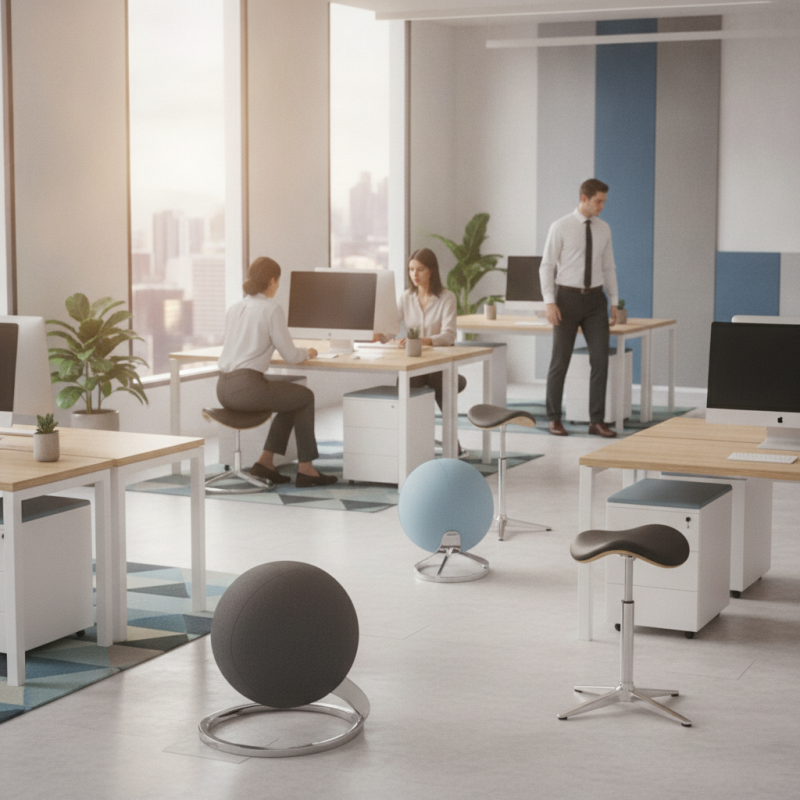
In recent years, the landscape of office seating has changed dramatically. The shift from traditional chairs to ergonomic stools reflects a growing focus on employee health. A report by the World Health Organization indicates that 60% of office workers experience back pain, prompting many to seek innovative seating solutions. Ergonomic stools provide flexibility and promote active sitting. This helps improve posture and reduce discomfort during long hours at a desk.
An ergonomic stool encourages movement. Unlike conventional chairs, they often allow users to shift positions easily. Research suggests that integrating dynamic seating options can enhance productivity by up to 20%. Workers feel more engaged when they can adapt their seating. However, it is crucial to strike a balance. Too much movement can lead to fatigue. Listening to your body is essential and can guide you in finding the ideal stool.
Tips for using ergonomic stools include adjusting heights properly and alternating seating styles throughout the day. Standing periodically is also beneficial. Experimenting with various positions will help identify what works best for you. Ultimately, ergonomic stools reflect an evolving recognition of the importance of comfort and health in modern workplaces.
Ergonomic stools have gained popularity in modern offices. They promote better posture and reduce discomfort during long working hours. Unlike traditional chairs, these stools encourage active sitting, which engages core muscles and helps maintain spinal alignment. Many employees report feeling more alert and focused while using them.
Comfort is a significant factor in workplace productivity. Ergonomic stools are designed to support dynamic movement. They allow for easy adjustments, accommodating different body types. This adaptability helps employees find their optimal sitting position, enhancing comfort. However, some users may initially struggle to adapt to this unique seating style.
Physical strain from prolonged sitting can lead to fatigue and decreased motivation. Ergonomic stools aim to counteract these issues, yet they are not a one-size-fits-all solution. For some, the transition may take time and patience. Open discussions about experiences can help improve acceptance and comfort levels. Ultimately, it’s about balancing innovation with the individual needs of each employee.
Ergonomic stools are gaining popularity in modern offices. These stools offer unique designs that promote better posture. Employees spend long hours sitting, which can lead to discomfort and health issues. Ergonomic stools encourage active sitting and may reduce back pain and muscle strain.
Research indicates that using ergonomic stools improves employee productivity. Better posture leads to increased focus and energy levels. When employees feel comfortable, they are more likely to engage in their work. However, not all ergonomic stools are created equal. Some may lack adequate support, which can lead to new issues.
Adopting ergonomic stools requires a thoughtful approach. Employers should consider the diverse needs of their workforce. A one-size-fits-all solution might not work. Employees should have a chance to test different styles. This feedback can help improve overall workplace health. Ergonomic seating is not a magic fix, but it can certainly be a step in the right direction.
| Metric | Impact | Measurement |
|---|---|---|
| Employee Satisfaction | Increased | 85% report higher satisfaction |
| Productivity Levels | Enhanced | Increase by 15% |
| Health Issues | Reduced | 30% decrease in back pain complaints |
| Focus Retention | Improved | 70% of employees report better focus |
| Absenteeism | Decreased | Reduction by 20% |
Ergonomic stools are transforming the landscape of modern office design. One significant factor is their ability to blend form with function. In a 2023 report by the Workplace Research Institute, 70% of employees reported better comfort and productivity when using ergonomic seating. The sleek profiles of these stools also cater to contemporary aesthetics, enhancing visual appeal in open-plan spaces.
Companies are now prioritizing adaptive designs. Ergonomic stools come in various colors and finishes, allowing for creative personalization. Yet, there's a challenge: not everyone finds them comfortable immediately. Some users may need time to adjust. This adjustment period is sometimes overlooked in discussions about ergonomic benefits. Moreover, despite new features, many designs still do not fit all body types. About 30% of employees noted mismatches in fit, indicating that more research is needed for universal designs.
The trend toward ergonomic seating reflects a broader cultural shift. It emphasizes wellness and productivity at work. However, as companies adopt these stools, they must consider diverse employee needs. Creating inclusive work environments involves ongoing adaptation and feedback. Balancing aesthetics with comfort remains a critical concern in contemporary design discussions.
Incorporating ergonomic stools into modern offices poses various challenges that require careful thought. While these stools promote better posture and reduce strain, employees may resist the change. Some might find adjusting to them uncomfortable initially. This discomfort can stem from the lack of back support, which traditional chairs provide. Transitioning to a stool may also disrupt established workflows and routines.
Employees can benefit from gradual adjustments. Consider implementing a trial period for these stools. This allows employees to explore their comfort levels without feeling pressured. Providing training on proper usage can also enhance their experience with ergonomic seating. Encourage feedback during this stage to improve the transition process.
Another consideration is the design of the workspace. Ergonomic stools might not suit all office layouts. Combining them with standing desks could create an adaptable environment. Flexibility is essential. It’s vital to recognize that not every employee will thrive on an ergonomic stool. Embrace diverse seating preferences to support overall productivity.
: They promote better posture and encourage active sitting.
Improved posture can lead to increased focus and energy levels, boosting productivity.
No, some may lack adequate support, leading to discomfort or new issues.
Testing different styles can help meet diverse employee needs and improve workplace health.
Implementing a trial period and providing proper usage training can ease adjustments.
Initial discomfort and resistance to change can disrupt workflows and routines.
No, many designs do not accommodate all body types, leading to mismatches.
Blending form with function enhances visual appeal in modern office designs.
Ongoing adaptation to diverse needs and encouraging feedback is essential.
Ergonomic stools may not suit all layouts; flexibility in seating options is vital.
The rise of ergonomic stools in modern offices is a response to the evolving needs of workplace wellness and productivity. Traditionally, office seating relied heavily on standard chairs, which often contributed to discomfort and health issues among employees. However, ergonomic stools are gaining popularity due to their numerous benefits, including improved posture, enhanced comfort, and the promotion of active sitting. This shift is not only about physical health but also about fostering a dynamic work environment that encourages movement and collaboration.
So, why are ergonomic stools becoming popular in modern offices? The answer lies in their ability to positively impact both employee productivity and overall health. As organizations recognize the importance of creating an aesthetically pleasing and functional workspace, ergonomic stools are influencing design trends. Nevertheless, the implementation of these stools comes with challenges, requiring careful consideration of individual needs and the office layout to maximize their effectiveness.

Vant Furniture