Creating a small home office can feel overwhelming. Yet, understanding how to organize a small home office efficiently can transform your workspace into a hub of productivity. Efficient organization fosters focus and reduces stress. Imagine walking into an office where every item has its place. You can quickly find what you need.
Many people struggle with clutter and distractions at home. It's essential to address these issues effectively. A well-organized office environment can reveal potential you never realized you had. Thoughtful design choices, including the right furniture and storage systems, can make a significant difference in your daily work life. Consider how lighting affects your mood and productivity.
However, not everyone achieves this ideal. Mistakes happen. For example, overloading your desk can create chaos instead of order. Take time to reflect on your workflow and think about improvements. Adjusting your space doesn’t happen overnight. It’s a continuous process of tweaking and refining what works best for you. Embrace the journey of creating an efficient workspace tailored to your needs.
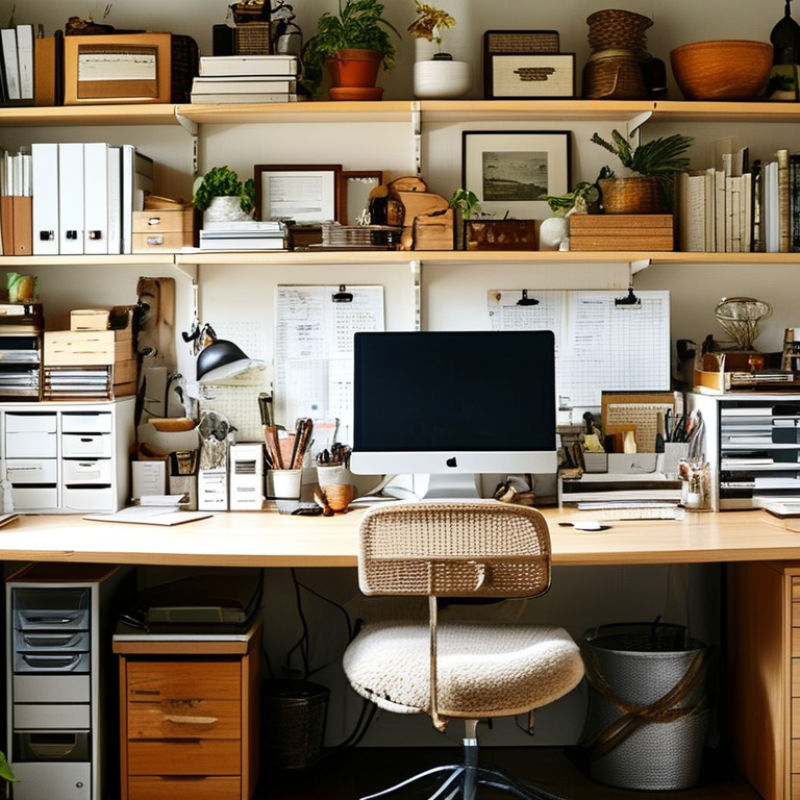
When assessing your space for a small home office, consider natural light. A bright room improves your mood and productivity. Look for a corner or a window nook. Even a small desk can work wonders if it captures sunlight. Measure the area to ensure your furniture fits snugly. A clutter-free environment enhances focus, so choose minimalistic designs.
Next, think about your daily activities. Do you require quiet? Select a secluded area away from household distractions. Perhaps a spare room or an alcove could serve this purpose. However, if your home is small, even a well-organized corner of the living room can be effective. Use room dividers to create a separation.
Consider your comfort as well. Ergonomic chairs and proper desk height matter. A poor setup can lead to back pain and fatigue. Remind yourself to adjust your workspace as needed. Reflection on your setup will help identify what works and what doesn’t. Experiment with layouts; they are not one-size-fits-all. Adapt your space to suit your workflow and stay open to changes.
| Dimension | Description | Ideal Measurement |
|---|---|---|
| Desk Size | Space for computer and work materials | 48-60 inches width |
| Chair Height | Comfortable seating for long hours | Adjustable height |
| Lighting | Natural light or sufficient task lighting | Minimum 300 Lux at desk level |
| Storage | Space for files and supplies | Shelves or cabinets as needed |
| Power Outlets | Accessibility for devices | At least two outlets nearby |
Creating an efficient home office begins with selecting the right desk and chair. Research indicates that a comfortable chair can enhance focus. According to a study by the American Chiropractic Association, around 80% of people experience back pain. An ergonomic chair supports your posture, reducing discomfort. Look for adjustable features to cater to your body type.
A desk is equally important. A study from the Center for the Built Environment noted that workspace design can significantly affect productivity. Desks at the proper height enable better blood circulation. Ideally, choose a desk that allows for some storage, keeping clutter at bay. This promotes a more organized work environment.
Reflecting on personal experiences, people often overlook how their workspace affects their efficiency. Choosing an attractive desk may seem appealing, but practicality matters more. If your desk is cramped with items, it could hinder performance. Balance aesthetics and functionality. Consider the materials, shape, and your personal workflow needs.
Organizing a small home office can be challenging, especially when space is limited. Effective storage solutions play a crucial role in maximizing efficiency. According to a study by the International Facility Management Association, organizing tools and supplies can increase productivity by as much as 25%. This statistic highlights the importance of creating an orderly workspace.
One effective strategy involves using vertical storage. Wall-mounted shelves keep items off your desk. This creates an open working area, reducing distractions. Utilizing baskets or boxes for small supplies can also declutter surfaces. A survey by the National Association of Professional Organizers found that 80% of individuals feel more focused in a well-organized space. Despite knowing this, many ignore storage solutions that could enhance their environment.
However, it’s easy to overstuff shelves or misplace important items. Striking a balance is essential. Regularly assessing storage methods prevents them from becoming overwhelming. Compact filing cabinets can provide essential organization, yet can also become a dumping ground if not maintained. Remember, optimizing a small office is a continual process, not a one-time task. The effort you invest pays off in a more productive work environment.
Creating an efficient home office requires thoughtful consideration of lighting. Natural light is beneficial for productivity and well-being. Position your desk near windows. This not only enhances your mood but also reduces eye strain. However, too much glare can hinder your work. Use curtains or blinds to manage the light effectively.
Artificial lighting should complement natural sources. Task lights, such as desk lamps, can focus bright light on your work area. Avoid overly harsh fluorescent lights, as they can increase fatigue. Warm white bulbs are often recommended for a calming effect. Implementing adjustable fixtures can further enhance your workspace by allowing customizable lighting.
Tips: Experiment with the position of your desk. Move it around to find the best angle for both light sources. Don’t overlook overhead lights; they can illuminate the entire room. Also, consider the time of day; your lighting needs might change. Reflect on how different lights make you feel. This can significantly impact your productivity and comfort level.
Creating a focused atmosphere is crucial for a small home office. Studies show that clutter can reduce focus and increase stress. In fact, 60% of workers report that their productivity suffers in disorganized spaces. To combat distractions, keep your desk clear. Only essential items should be within reach. This minimizes visual clutter and helps maintain concentration.
Tips: Designate a space for non-work items away from your desk. Use drawer organizers to keep supplies tidy.
Consider lighting. Natural light is vital; it boosts mood and energy. A well-lit space can enhance focus, as highlighted by research from the University of Nevada, which found that bright environments improve concentration. Even simple adjustments can make a difference. If your office feels dark, use brighter bulbs or a desk lamp.
Tips: Avoid fluorescent lights; they can cause eye strain. Incorporate warm, soft lighting instead.
Lastly, sound plays a significant role in our ability to focus. Noise can lead to distractions. Research indicates that quiet environments can enhance learning and productivity. Use noise-canceling headphones or play soft background music. Regular breaks can also improve concentration and keep ideas flowing, according to workplace studies.
Tips: Set a timer to remind you to take breaks. This helps refresh your mind effectively.
: Look for natural light to boost mood and productivity. A corner or window nook is ideal.
A well-organized corner in your living room can work. Use dividers for separation if needed.
Ergonomic chairs and proper desk height can prevent back pain and fatigue. Adjust as needed for comfort.
Use vertical storage like wall-mounted shelves. Baskets or boxes can help keep small supplies organized.
Position your desk near a window for natural light. Manage glare with curtains or blinds for comfort.
Regularly assess storage methods. Avoid overstuffing shelves to keep important items easily accessible.
Use task lights like desk lamps for focused light. Warm white bulbs create a calming environment.
Different light sources can change your mood. Experiment to find what makes you feel most productive.
No, your lighting needs can change at different times. Reflect on how the atmosphere shifts during the day.
Overly harsh lighting, like fluorescent lights, can increase fatigue. Aim for a balance that keeps you energized.
Organizing a small home office for maximum efficiency requires careful planning and consideration of several key factors. First, assess your available space to determine the most suitable area for your office setup, ensuring it is both functional and inspires productivity. Selecting essential furniture is crucial; hence, choosing a comfortable desk and chair can significantly impact your work experience. Efficient storage solutions should also be prioritized to keep tools and supplies organized, even in limited spaces.
Additionally, optimizing lighting is essential for creating a pleasant work environment. Utilize both natural and artificial light to enhance visibility and mood. Lastly, to foster a focused atmosphere, minimize distractions by implementing strategies that help you stay on task. By addressing these elements, you will effectively answer the question of how to organize a small home office efficiently, leading to greater productivity and satisfaction in your work life.

Vant Furniture