Designing an Open Plan Office for Enhanced Focus Tips?

Time:2026-05-03 Author:Sienna
0%

In today's fast-paced work environment, creating a productive workspace is essential. Open-plan offices have become popular due to their collaborative atmosphere. However, they often hinder focus. Experts emphasize the importance of designing these spaces wisely. Dr. Emily Sanders, an organizational psychologist, states, "An effective open-plan office encourages engagement without sacrificing concentration." Her insights highlight the challenge of balancing collaboration with focus.

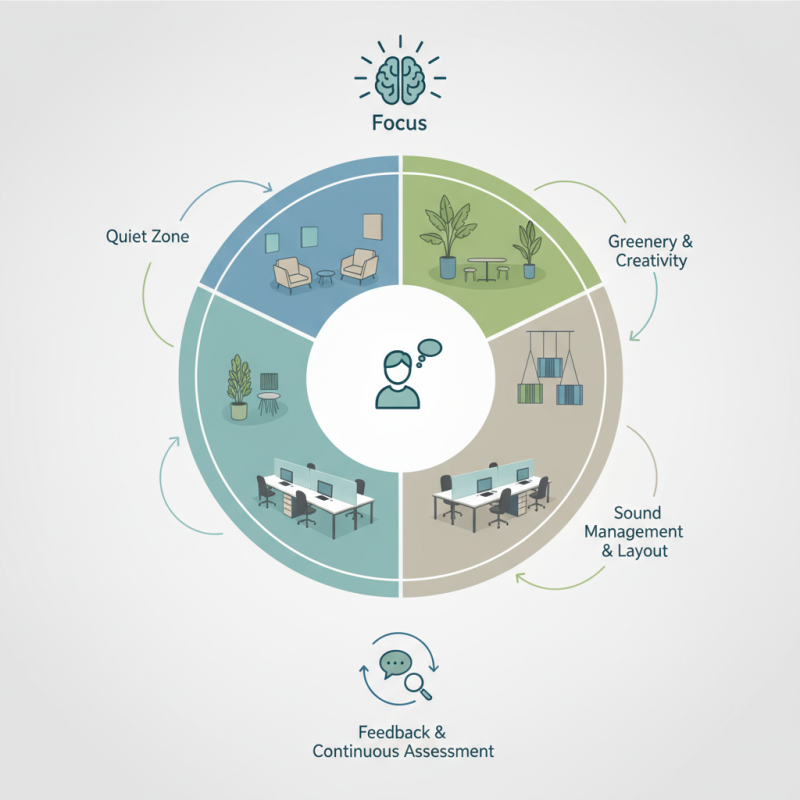
To answer the question, "How to design an open-plan office for maximum focus?" it’s crucial to consider sound management and spatial layout. Incorporating quiet zones can help employees recharge. Planting greenery can also enhance air quality and inspire creativity. Yet, not all design choices yield immediate results. Employees may initially resist changes or feel distracted by new layouts.

Creating an open-plan office that truly supports attention is a complex process. Inadequate designs can lead to frustration. It’s essential to gather feedback regularly. Not every solution will work for everyone, as individual preferences vary widely. Continuous assessment will help refine the design.
Designing an Open Plan Office for Enhanced Focus Tips?

Understanding Open Plan Office Design and Its Evolution

Open plan offices have evolved significantly over the years. Originally designed for communication, they now face criticism for noise and distraction. Understanding their impact is crucial for fostering a focused work environment. This design trend allows for flexibility but raises questions about employee well-being.

One effective tip for enhancing focus is to create distinct zones. Quiet areas with sound-absorbing materials encourage concentration. Collaborative spaces should be separated to minimize distractions. Natural light is essential, too. It can boost mood and productivity. Employees often underestimate the power of a well-lit space.

Another approach is to incorporate greenery. Plants can reduce stress and improve air quality. However, the placement of these elements must be deliberate. Too many plants might clutter the space and hinder productivity. Balance is key in open plan designs. Listening to employee feedback is also vital, as preferences can vary significantly.

Designing an Open Plan Office for Enhanced Focus Tips

Design Element Impact on Focus Recommendation
Acoustic Panels Reduces noise distractions Install panels in high-traffic areas
Greenery Enhances mood and reduces stress Incorporate plants throughout the workspace
Zoned Areas Supports different work styles Create quiet zones for focused work
Natural Light Boosts productivity and morale Maximize window access
Adjustable Furniture Promotes healthy posture Provide sit-stand desks
Personal Space Facilitates individual work Designate areas for personal touches

Key Factors Influencing Employee Focus in Open Plan Spaces

In open plan offices, employee focus can be significantly influenced by multiple factors. A study by the International Journal of Environmental Research and Public Health found that noise levels and distractions in such environments can reduce productivity by up to 66%. The design of these spaces must account for these potential distractions to enhance focus.

One effective tip is to incorporate quiet areas. Providing secluded zones allows employees to retreat when they need concentration. Even small pods or soundproof booths can foster a focused atmosphere. Another strategy is controlling acoustics. Soft materials can reduce noise reverberation, creating a more pleasant environment. Plants and artwork can also play a role, contributing to a calming aesthetic.

Lighting is crucial as well. Natural light has been proven to boost mood and productivity. A report from the Better Work Foundation indicates that well-lit offices see a 20% increase in employee satisfaction. However, fluorescent lighting can cause headaches and discomfort. Balancing various light sources can help maintain energy levels.

Employees often face challenges in open spaces. Privacy concerns and constant interruptions can lead to frustration. Leaders should encourage a culture of respect, where colleagues understand and minimize disruptions. Recognizing that open plans aren’t one-size-fits-all is essential for creating an effective workplace.

Acoustics and Noise Control Strategies for Better Concentration

Open plan offices are known for fostering collaboration, but they often suffer from noise issues. Research shows that excessive noise can reduce productivity and increase stress. In fact, 70% of employees report that noise impairs their ability to focus. Therefore, effective acoustics are crucial for enhancing concentration in these dynamic environments.

Implementing sound-absorbing materials can significantly mitigate unwanted noise. Acoustic panels, carpets, and ceiling tiles create a quieter atmosphere. Studies indicate that these strategies can reduce noise levels by up to 50%. However, many spaces still neglect proper acoustics. This oversight can lead to decreased employee satisfaction and higher turnover rates.

Another approach involves creating designated quiet areas. These spaces allow workers to retreat and concentrate without interruptions. An optimal layout can include private booths or soft seating arranged for discreet conversations. While open plans are meant for interaction, balancing them with quieter zones is essential. Thoughtful design can foster collaboration and protect focus.

Office Noise Levels and Focus: Strategies for Control

This chart illustrates the average noise levels in different areas of an open plan office, highlighting the impact of acoustics on employee focus. Implementing noise control strategies in each space can enhance concentration and productivity.

Incorporating Biophilic Design Elements to Boost Productivity

Incorporating biophilic design elements can significantly enhance workplace productivity. Research indicates that natural elements like plants and daylight can increase focus. Studies show productivity can rise by up to 15% when biophilic features are included in office design. This means even small changes can yield substantial benefits.

Plants contribute not only to aesthetics but also to air quality. A study by the University of Exeter shared that simply adding greenery can enhance cognitive function. Employees reported feeling more engaged and less stressed in a green environment. Natural light, too, plays a vital role. It regulates circadian rhythms, improving mood and energy levels.

However, challenges can arise. Overcrowding plants can become distracting. Not every employee appreciates the same amount of nature. Balancing these elements is key. It's essential to understand individual preferences when designing. Efforts to adapt may require ongoing feedback from staff. This reflects the ever-evolving nature of workplace needs as we aim for an optimal office environment.

Flexible Workspaces: Balancing Collaboration and Individual Focus

Flexible workspaces are essential for today's dynamic office environment. A balance between collaboration and individual focus is crucial for enhancing productivity. Research shows that 65% of employees prefer a mix of open areas and quiet zones. This data highlights the need to create spaces that foster collaboration, while still allowing for focused work.

One effective tip is to design quiet zones. These areas should be equipped with soundproofing features. Research indicates that noise levels significantly impact concentration. A well-designed quiet space can improve focus by up to 30%. Another strategy is to use movable furniture. Flexibility allows employees to customize their workspace as needed. This adaptability fosters a sense of control and ownership over one’s environment.

However, open-plan offices can lead to distractions. Open spaces might encourage interaction but can reduce individual focus. Balancing these needs is challenging. It requires constant reflection on the workspace design. Effective open-plan offices are those that evolve based on employee feedback. Regularly assessing the workspace can reveal what’s working and what isn’t. Being open to change is key to achieving a truly effective office layout.

FAQS

: What are the main challenges in open plan offices?

: Noise and distractions significantly impact focus. Many employees report that these factors hinder their productivity.

How can noise levels be managed in open plan designs?

Implementing sound-absorbing materials is key. Acoustic panels and carpets can reduce noise by up to 50%.

What role does lighting play in workplace productivity?

Natural light boosts mood and productivity. Poor lighting, like fluorescent lights, can cause discomfort and headaches.

Are quiet areas beneficial in open plan offices?

Yes, quiet zones allow employees to concentrate without interruptions. Small pods can create a focused atmosphere.

How does greenery affect the workplace environment?

Plants reduce stress and improve air quality. However, too many can clutter the space and hinder productivity.

What should be considered in the design of open plan offices?

A balance between collaborative and quiet spaces is essential. Listening to employee feedback on preferences is crucial.

Conclusion

An open-plan office can significantly enhance employee focus when designed thoughtfully. To address the question of "How to design an open-plan office for maximum focus?", it is essential to understand the evolution of open-plan spaces and the various factors that influence concentration. Key elements include effective acoustic management and implementing noise control strategies to minimize distractions.

Additionally, incorporating biophilic design elements, such as natural light and green plants, can create a more inviting and stimulating environment that boosts productivity. Balancing flexible workspaces with areas dedicated to both collaboration and individual focus is crucial. Ultimately, a well-designed open-plan office should harmonize communal efficiency with the need for personal concentration, leading to a more productive workforce.

Sienna

Sienna

Sienna is a skilled marketing professional with a deep expertise in our company’s core products and services. With a passion for innovation and detail, she plays a pivotal role in crafting insightful blog posts that not only highlight the unique features of our offerings but also provide valuable......