When it comes to office furniture, understanding the differences in chair types is crucial. What is the difference between executive and task chairs? These two styles serve distinct purposes in the workplace. According to the Bureau of Labor Statistics, over 90% of U.S. workers spend significant time in chairs, making the right choice critical for productivity and comfort.
Executive chairs are designed for style and comfort, often featuring high backs and premium materials. They symbolize authority in an office setting. A 2022 study by the American Society of Interior Designers revealed that 73% of employees believe a stylish office positively impacts their work experience. In contrast, task chairs promote functionality and practicality. They offer ergonomic support and adjustable features, catering to tasks requiring prolonged sitting.
While executive chairs might appeal due to their aesthetics, one must consider the ergonomics of a task chair. Inadequate support can lead to long-term health issues. It’s vital to reflect on personal workspace needs when choosing between these styles. Selecting the right chair could make a significant difference in workplace efficiency and employee well-being.
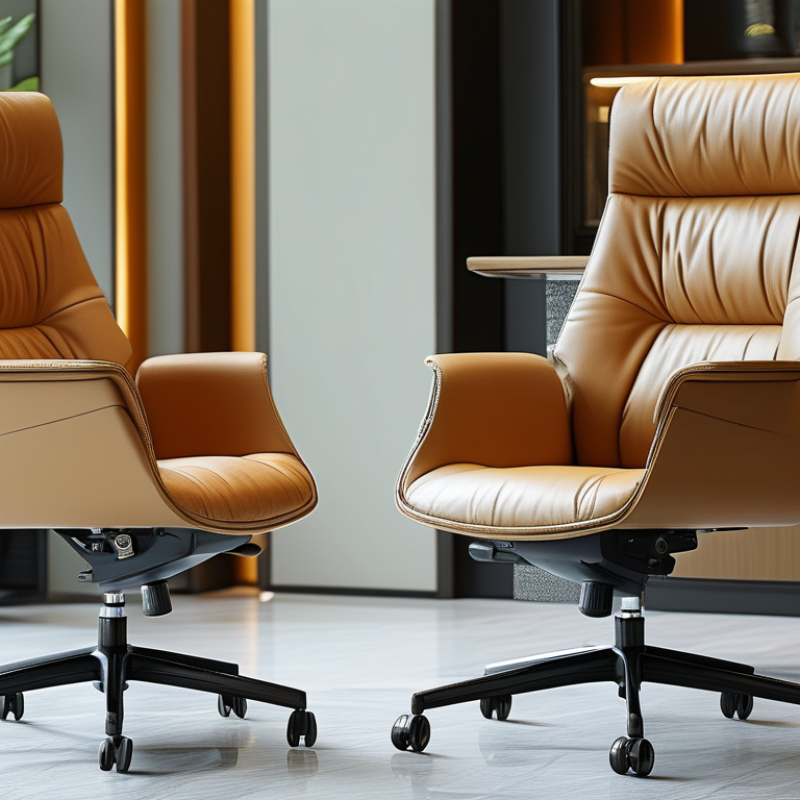
The design and aesthetic appeal of chairs play a significant role in workplace productivity and comfort. Executive chairs often feature luxurious materials like leather and polished wood, exuding professionalism and class. They integrate with modern office decor, reinforcing company branding. In contrast, task chairs prioritize functionality over aesthetics. These chairs usually adopt simpler designs focused on ergonomics and adjustability. Reviews from industry experts indicate that task chairs can significantly enhance user comfort for long hours, achieving higher satisfaction ratings.
When choosing between these chair types, consider your workspace's overall design. Executive chairs could dominate the space, potentially diminishing versatility. Task chairs, with sleek designs, often fit better in collaborative environments. The balance of style and comfort should be paramount. Experts suggest that a visually appealing workspace can lead to increased productivity by 20%.
Reflect on your own preferences. Do you prioritize style or comfort? A well-designed chair can support better posture, contributing to overall health. Opting for a chair that combines both elements could improve your engagement and creativity at work. Regularly reassess your chair choice as organizational needs or personal comfort may evolve over time.
When exploring the differences between executive and task chairs, functionality and ergonomics come to the forefront.
Executive chairs often feature plush materials and higher backs, promoting an authoritative presence.
They are designed for long hours of sitting, supporting upper body weight effectively.
Task chairs, on the other hand, are meant for flexibility and mobility. Their lighter designs help facilitate movement throughout the workspace, making them ideal for collaborative environments.
Ergonomics is essential for both types of chairs. Executive chairs typically provide adjustable features, ensuring that they can accommodate diverse body types.
However, they may lack the dynamic movement that task chairs offer. This is important for those who need to switch positions frequently while working.
In contrast, task chairs prioritize adjustable seat height and lumbar support, which are critical for maintaining good posture during short bursts of activity.
Creating a comfortable workspace requires careful consideration of chair selection.
Look for chairs that align with your daily tasks and body type. The right chair can greatly enhance productivity and reduce discomfort.
Remember that testing different chairs can reveal hidden preferences. Personal comfort and flexibility should guide your decision, even if it takes time to find the perfect match.
When considering the target audience for executive and task chairs, it's clear that these chairs serve distinct purposes. Executive chairs are typically designed for senior management, providing comfort and style. They often feature high backs, plush cushioning, and luxurious materials. According to a report from the American Society of Interior Designers, 70% of companies prioritize aesthetics in their choice of executive chairs, as these pieces reflect the organization's brand.
On the other hand, task chairs are tailored for employees engaged in day-to-day operations. These chairs prioritize functionality over form. A study by the Occupational Safety and Health Administration found that ergonomic task chairs can reduce workplace injuries by up to 30%. Employees who use task chairs for extended periods report less fatigue and discomfort. The adjustable features of these chairs are crucial for accommodating diverse body types and work styles in open office layouts.
The contrast between these two types of chairs highlights the varying needs of different roles in a workplace. While executive chairs convey authority and prestige, task chairs emphasize practicality and support. Organizations often struggle to find the right balance, leading to tension between stylish and functional furniture solutions. This decision impacts not only employee wellbeing but also productivity and overall workplace culture.
| Dimension | Executive Chairs | Task Chairs |
|---|---|---|
| Design | Stylish and formal | Functional and simple |
| Material | High-quality leather or upholstery | Various fabrics and mesh |
| Comfort | More cushioning and support | Basic cushioning; focuses on mobility |
| Height Adjustment | Limited but ergonomic | Easily adjustable |
| Lumbar Support | Advanced lumbar support | Basic lumbar features |
| Mobility | Typically heavier and less mobile | Lightweight and easy to move |
| Usage Environment | Offices, boardrooms | Cubicles, open offices |
| Pricing | Generally more expensive | Cost-effective options available |
| Overall Aesthetics | Professional and elegant | Practical and casual |
| Target Audience | Executives, managers | General staff, freelancers |
When considering mobility and adjustability features, executive and task chairs vary significantly.
Executive chairs often come with larger wheels, promoting a smooth glide across various surfaces. They are designed to provide comfort during long hours in meetings or at a desk. However, their bulk can limit maneuverability in tighter spaces.
In contrast, task chairs prioritize flexibility. Their smaller wheels allow swift movement in confined areas, making them ideal for dynamic work environments.
Adjustability is another critical factor. Executive chairs typically offer a range of recline options. This feature is useful for relaxation but may encourage users to adopt less ergonomic positions. Task chairs frequently include adjustable seat heights, backrests, and armrests. These options enable users to customize settings for optimal support, promoting better posture throughout the workday. Still, navigating all these adjustments can be cumbersome for some. Individuals may find it challenging to achieve their ideal settings, leading to frustration. Selecting the right chair thus requires thoughtful consideration of both mobility and adjustability features.
When considering office seating, cost often plays a critical role. Executive chairs typically range from $300 to $2,000, while task chairs can start as low as $100 and rise to about $600. These price differences stem from the materials used and the level of ergonomics built into each chair. A report by the Office Furniture Association states that ergonomic investments can yield a return of up to 200% by boosting employee productivity.
Considering the long-term benefits, executive chairs tend to offer enhanced features. Many incorporate high-quality leather, advanced lumbar support, and adjustable components. A study published in the Journal of Applied Ergonomics highlights that employees in better chairs report a 25% decrease in discomfort, leading to fewer sick days. Conversely, while task chairs may be more affordable, they often lack some of these advanced features.
The decision boils down to organizational needs. A high-cost executive chair might seem extravagant, yet it can function as a motivational asset. In contrast, task chairs, although economically viable, may require more frequent replacements, increasing overall spending. Organizations must weigh upfront costs against long-term value and employee well-being. Balancing budget constraints and comfort needs is crucial for making wise investments in office furniture.
: Executive chairs focus on luxury and authority, while task chairs prioritize functionality and mobility.
A well-designed chair can increase productivity by up to 20%. Comfort and aesthetics both influence performance.
Executive chairs often use luxurious materials like leather and polished wood for a professional look.
Task chairs are designed for flexibility, but they may not provide the same level of support for long periods.
Ergonomics is crucial for comfort and good posture. Chairs should accommodate diverse body types and promote movement.
Reflect on your daily tasks, body type, and personal comfort. It's essential to find a chair that meets your needs.
Yes, executive chairs range from $300 to $2,000, while task chairs start around $100. Cost reflects materials and ergonomics.
Yes, better chairs reduce discomfort and can lead to fewer sick days, ultimately benefiting employee well-being.
Regularly reconsider your chair as organizational needs or personal comfort may evolve over time.
An attractive workplace can enhance employee engagement and stimulate creativity.
The article "10 Key Differences Between Executive and Task Chairs" explores the various aspects that distinguish these two types of seating options in a professional setting. One of the primary differences lies in their design and aesthetic appeal; executive chairs often feature a more refined, luxurious look, while task chairs are generally more functional and simple in design. In terms of functionality and ergonomics, task chairs prioritize support for long hours at a desk, whereas executive chairs may offer additional comfort features.
Target audiences also differ, as executive chairs cater to higher-level management or professionals, whereas task chairs are typically used by a broader range of employees. Mobility and adjustability features are key considerations, with task chairs often providing more customization to accommodate various tasks. Cost is another crucial factor, as executive chairs tend to be priced higher due to their materials and design. Overall, understanding "What is the difference between executive and task chairs?" is essential for making an informed choice for workplace seating.
Vant Furniture