In today's fast-paced work environment, the integration of technology into office desks is crucial. The question arises, "How to integrate technology into modern office desks?" Balancing functionality with aesthetics is more challenging than it seems. Workers require spaces that adapt to their needs while also promoting productivity.
Employing adjustable desks is one productive way to incorporate tech. These desks offer flexibility and can support various devices. For instance, adding built-in charging ports or wireless charging pads elevates convenience. However, clutter can become an issue. Managing cables and ensuring a tidy workspace should not be overlooked.
Ergonomic accessories also play a vital role. Investing in good keyboard trays and monitor stands can enhance comfort. Many do not realize how the right setup can affect health and efficiency. Technology can support health initiatives, yet it must be balanced with the workspace's overall design. Reflection on personal habits and comfort levels is essential in this journey.
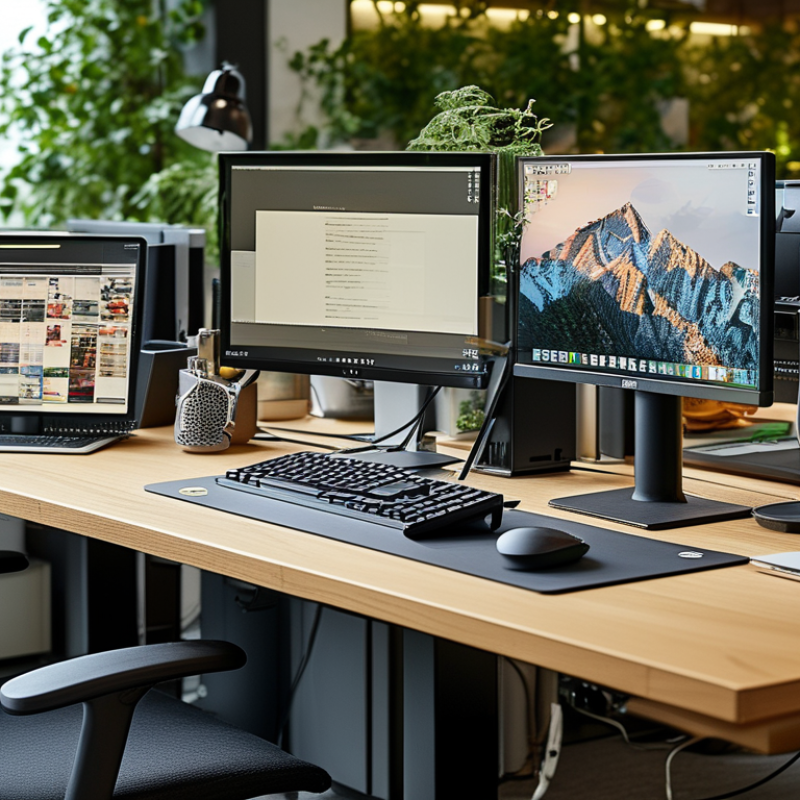
In today's fast-paced work environment, technology plays a crucial role in shaping modern office spaces. A recent study reveals that 71% of employees feel more productive when using collaborative technology. This illustrates the significance of integrating tools like video conferencing systems, digital whiteboards, and project management software into office desks. These elements streamline communication and enhance collaboration among team members.
Moreover, ergonomic designs combined with technology are essential for worker well-being. The Human Factors and Ergonomics Society found that ergonomic workplaces lead to a 25% increase in employee satisfaction. Desks equipped with adjustable height settings allow employees to alternate between sitting and standing. Such flexibility caters to different work styles and helps reduce physical strain, fostering a healthier work atmosphere.
However, not all technology integration is seamless. Challenges include training staff on new systems and adapting existing workflows. Many employees may resist change due to comfort with familiar tools. It’s essential to address these concerns through workshops and feedback sessions, creating an inclusive environment that encourages adaptation. Balancing technological advancements with human factors remains an ongoing challenge for modern workplaces.
Integrating technology into modern office desks can enhance productivity and comfort. Consider a wireless charging pad, allowing seamless device power-ups without messy cables. This small addition can transform how employees interact with their gadgets.
Ergonomic solutions also play a critical role. Standing desks are popular, but they can be daunting for the uninitiated. Gradual changes are essential. Start with a desk converter that allows users to switch between sitting and standing. This can prevent fatigue and promote better posture.
Another element is sound management tech. Noise-canceling devices or apps can help mitigate distractions. However, some find it hard to adapt to silence. It may take time to find the right balance between noise and focus. Individual preferences vary, and that’s perfectly fine. Experimenting with different setups is encouraged.
In modern office environments, ergonomics plays a critical role in integrating technology. A well-designed office desk should account for the user's comfort. Adjustable furniture can make a big difference. Desks that can shift from sitting to standing are popular. They promote movement during long work hours. This simple change can minimize discomfort and increase productivity.
Technology should enhance functionality without sacrificing well-being. Consider using ergonomic keyboards and mice. They reduce strain on wrists and hands. Some employees may forget to take breaks. Technology can remind them to stand or stretch. Smart systems can track posture and suggest adjustments. It's essential to ensure these systems are easy to use. Overly complex technology can create frustration, not solutions.
Finding the right balance is a continuous journey. Comfort and functionality can sometimes clash. What works for one person might not suit another. Seeking feedback from users can help refine the setup. Regular assessments can identify areas for improvement. An adaptable approach will cater to the varying needs of a diverse workforce.
Smart desks and workspace automation are revolutionizing productivity in modern offices. According to a report from the International Data Corporation, companies that integrate smart technology into their workspaces can boost employee productivity by up to 25%. These innovations range from adjustable height desks to integrated charging stations. Such features cater to both comfort and convenience, allowing employees to work more efficiently.
Incorporating automation can also streamline workflow. Tools that manage lighting, temperature, and even noise levels enhance focus. A study from Global Workplace Analytics reveals that companies adopting these changes see a 15% increase in employee satisfaction. However, technology must be balanced with human interaction. Over-reliance on gadgets may decrease face-to-face communication, an important aspect of workplace culture.
Tips: Invest in adjustable desks to allow employees to change positions throughout the day. This simple change can lead to increased energy levels and productivity. Additionally, consider using sensors to automate lighting based on occupancy. This not only saves energy but also creates a more responsive workspace. Integration should be thoughtful, aligning technology with the needs of team members.
This chart visualizes the frequency of various technology integrations into modern office desks, showcasing the increasing trend in the adoption of smart desks and automation solutions to enhance productivity in the workspace.
Integrating technology into modern office desks is crucial for enhancing productivity. Recent studies show that 70% of employees feel more engaged when they have access to high-quality tech tools. However, seamless integration often requires careful planning and consideration. One approach is to implement ergonomic designs that accommodate various tech devices. This ensures employees can use technology comfortably and efficiently.
Regular assessments of office tech are necessary. A report from the Research Institute of Workplace Innovation found that 40% of businesses struggle with outdated technology affecting work efficiency. Companies should prioritize upgrading systems and investing in versatile technology desk setups. For example, adjustable monitor stands can help reduce neck strain and improve focus.
Additionally, supporting a culture of technological learning is vital. Monthly workshops can promote skills development that aligns with the latest tools. It’s essential for organizations to encourage feedback from employees about tech usability. While many companies invest heavily in new gadgets, they sometimes overlook the importance of training and support systems. Balancing investment in both technology and personnel will foster a more innovative and responsive work environment.
| Integration Method | Description | Benefits | Considerations |
|---|---|---|---|
| Wireless Charging | Incorporate charging pads on desks for mobile devices. | Reduces cable clutter; convenience of charging. | Requires compatible devices; needs power source. |
| Built-in Cable Management | Add compartments or trays to conceal cables. | Keeps workspace tidy; prevents tangling. | May limit accessibility; non-standard desk designs. |
| Adjustable Monitor Stands | Provide stands that offer various viewing heights. | Improves ergonomics; reduces eye strain. | Initial cost may be higher; space requirements. |
| Smart Desks | Desks with integrated technology for productivity tracking. | Enhances productivity; tracks work habits. | Data privacy concerns; higher investment. |
| Voice Assistants | Integrate voice-activated assistants for hands-free control. | Increases efficiency; enables multitasking. | Potential for misinterpretation; requires training. |
: Ergonomics integrates comfort with technology. A well-designed desk enhances user comfort and productivity.
Adjustable desks that switch between sitting and standing encourage movement. This reduces discomfort during long hours.
Ergonomic keyboards and mice minimize wrist and hand strain. They are essential for comfortable work.
Smart systems can alert users to stand or stretch. This helps maintain well-being throughout the day.
User feedback helps refine ergonomic designs. What suits one person might not work for another.
Regular assessments are essential. Outdated technology can significantly hinder work efficiency.
Monthly workshops can promote skills development. They ensure employees are comfortable with new tools.
Investing in both enhances workplace innovation. Training and support systems are vital alongside new gadgets.
Overly complex systems can create frustration. Simplicity is key in ensuring usability and efficiency.
Companies sometimes overlook training when adopting new tools. This gap can limit technology's effectiveness.
Integrating technology into modern office desks is essential for enhancing productivity and comfort in the workplace. To answer the question of how to integrate technology into modern office desks, one must first understand the role that technology plays in contemporary work environments. Essential tools include ergonomic accessories, smart desks, and automated systems that help streamline tasks and improve overall workflow. Balancing ergonomic principles with technological advancements ensures that employees remain comfortable while being functionally productive.
Moreover, implementing workspace automation through smart desks can significantly enhance efficiency. These desks can be equipped with features like adjustable heights, built-in charging stations, and connected devices that facilitate collaboration. To achieve seamless integration, it’s important to plan strategically, considering both the existing office layout and the specific needs of the workforce. By focusing on these key aspects, companies can create a technology-rich environment that maximizes employee satisfaction and performance.

Vant Furniture