Why is Office Lighting as Crucial as Office Furniture?

Time:2026-05-05 Author:Amelia
0%

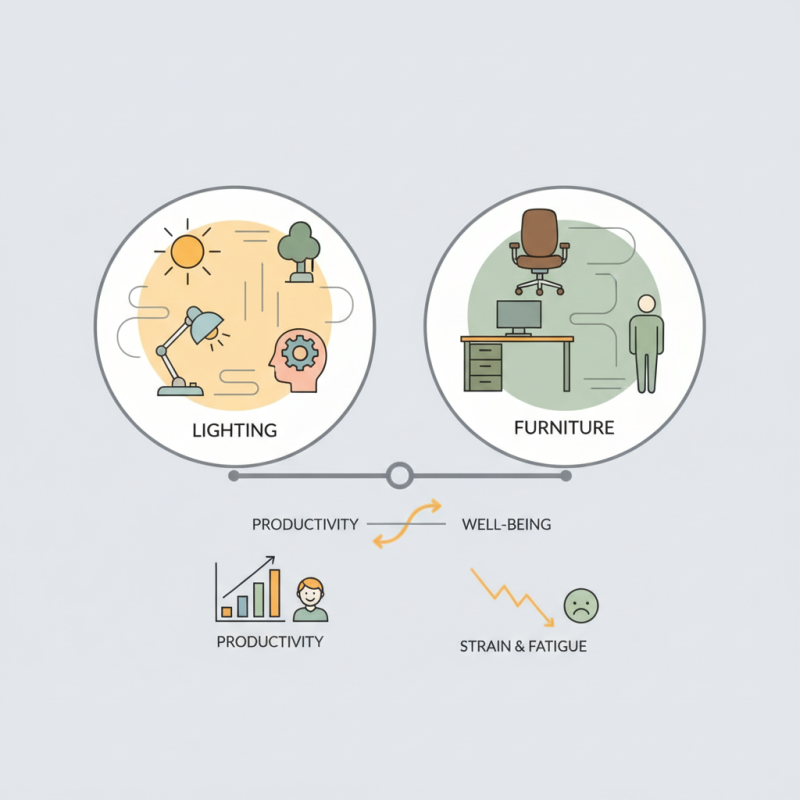
Effective office lighting is often overlooked in workplace design. However, it plays a vital role in employee performance and well-being. Dr. Emily Chen, an expert in ergonomics, states, "The right lighting can enhance mood and productivity as much as comfortable furniture." This highlights why office lighting is as important as office furniture.

Bright, harsh lights can lead to eye strain and fatigue. In contrast, warm, adjustable lighting creates a welcoming atmosphere. Employees can feel more energized and focused in well-lit spaces. Yet, many offices still struggle with inadequate lighting solutions. Companies often prioritize furniture over lighting, leading to discomfort and decreased productivity.

Finding the right balance in office lighting is essential. Poor choices can detract from an otherwise well-designed space. It’s crucial to consider how lighting impacts the workspace both physically and emotionally. As businesses rethink their environments, understanding "Why is office lighting as important as office furniture?" becomes increasingly significant. Balancing aesthetics and functionality in lighting can make a considerable difference in employee satisfaction and performance.
Why is Office Lighting as Crucial as Office Furniture?

The Impact of Office Lighting on Employee Productivity and Well-being

Office lighting significantly affects employee productivity and well-being. Studies indicate that well-lit spaces can enhance focus. For example, the World Green Building Council reports that optimal lighting can boost productivity by up to 15%. Natural light, in particular, plays a vital role. It helps regulate our circadian rhythms, improving mood and energy levels.

However, not all lighting solutions are perfect. Poorly designed lighting can lead to discomfort. Glare and harsh lighting contribute to headaches and eye strain. A report from the American Society of Interior Designers highlights that 68% of workers feel uncomfortable due to inadequate lighting. This discomfort can reduce overall efficiency and increase absenteeism.

Creating a balanced lighting environment is crucial. Combining ambient and task lighting can meet diverse needs. Employees should be able to adjust lighting to fit their tasks. Despite advancements, many workplaces still overlook lighting quality. This leaves room for improvement. Emphasizing the importance of effective lighting designs can lead to healthier workspaces.

Comparative Analysis: Office Lighting vs. Physical Furniture Investment

Office lighting plays a vital role in workplace productivity. Unlike physical furniture, which provides comfort, lighting affects mood and focus. Proper illumination reduces eye strain and enhances alertness. A well-lit space fosters creativity and engagement among employees. Poor lighting can lead to fatigue, causing a drop in performance. It’s essential to consider both elements in a balanced office design.

For optimal office lighting, embrace flexibility. Use adjustable lighting to cater to different tasks. This way, employees can create their ideal work environment. Incorporating natural light is a powerful strategy. Exposure to daylight boosts morale and well-being. Invest in light fixtures that support various activities, from detailed tasks to collaborative discussions.

Think about the placement of lights too. A poorly placed light can create shadows and glare. Conduct a visual inspection of your space to identify problem areas. Consider dimmable lights for versatility. Experimentation is key to finding the right balance. With the right lighting, your office can become a hub of productivity and comfort, just like it should be with furniture.

Lighting Design Strategies for Enhancing Office Aesthetics and Functionality

Lighting in the office is often overlooked, yet it plays a vital role in aesthetics and functionality. A well-designed lighting scheme enhances both the ambiance and productivity of a workspace. Thoughtful lighting can reduce eye strain and fatigue, making it essential for employee well-being. Choosing the right fixtures and layouts can drastically change the perception of a space.

Tips: Consider mixing ambient, task, and accent lighting. This combination creates depth and interest. Natural light is a key player; maximize window usage. However, be wary of glare, which can be distracting. Adjustable lighting options can accommodate various tasks and moods throughout the day.

The right color temperature affects the atmosphere. Warmer shades evoke comfort while cooler tones promote alertness. Analyze the specific needs of your team. Maybe a softer glow in lounge areas and brighter lighting in collaborative zones work better. Remember, it’s not a one-size-fits-all solution, and employee feedback is invaluable in refining these choices. Keep experimenting with different setups to find what truly enhances your office environment.

Statistics on Employee Satisfaction Related to Optimal Office Lighting

Office lighting significantly impacts employee satisfaction. Research indicates that insufficient lighting can lead to decreased productivity. Around 68% of workers report that poor lighting affects their mood negatively. Bright, well-placed lighting helps to enhance focus and reduce fatigue.

Studies show that natural light plays a pivotal role in office environments. Employees who work in offices with windows experience a 25% increase in satisfaction. Such environments also correlate with higher energy levels. On the flip side, poorly lit spaces contribute to feelings of lethargy, which can reduce overall workplace morale.

Additionally, optimal lighting can enhance collaboration. A study found that teams working in well-lit areas communicated more effectively. However, achieving the right balance can be challenging. Some offices still rely on harsh fluorescent lights, which may cause glare and strain. Understanding employee preferences for lighting can improve satisfaction and performance significantly.

The Role of Natural Light in Boosting Workplace Efficiency and Morale

Natural light plays a crucial role in workplace efficiency and employee morale. Studies show that access to natural light can improve mood and adaptability. A research report by the Interior Design Institute notes that employees with ample daylight exposure report a 15% increase in well-being. This can directly boost productivity levels.

Spaces flooded with natural light encourage collaboration and creative thinking. Workers tend to be more engaged in environments where sunlight is a focal point. A study from the University of Oregon found that natural light significantly reduces eye strain and increases alertness. However, not all offices maximize this beneficial light source effectively.

Some companies still rely heavily on artificial lighting. These environments can create discomfort and fatigue. Poor lighting contributes to lower morale and increased absenteeism. Workers in office spaces enriched with natural light tend to take fewer sick days, which can lead to notable cost savings for organizations. Creating a balance between natural and artificial lighting is not just an aesthetic choice; it’s essential for optimizing work performance.

FAQS

: How does office lighting affect productivity?

: Well-lit offices can enhance focus and boost productivity by up to 15%.

Why is natural light important in the workplace?

Natural light regulates circadian rhythms, improving mood and energy levels.

What are the effects of poor lighting design?

Poor lighting can cause discomfort, leading to headaches and eye strain for 68% of workers.

How can lighting affect employee morale?

Ample daylight exposure can improve well-being, contributing to a 15% increase in morale.

What type of lighting should be used in offices?

A combination of ambient and task lighting is recommended for a balanced environment.

Can adjusting lighting help with different work tasks?

Yes, adjustable lighting allows employees to cater to specific tasks effectively.

How does lighting placement impact the workspace?

Poorly placed lights can create shadows and glare, affecting the overall comfort.

Are employees with natural light exposure healthier?

Yes, they tend to take fewer sick days and have higher productivity levels.

What happens if natural light is neglected?

Relying solely on artificial lighting can lead to fatigue and decreased morale.

Is experimentation important in optimizing office lighting?

Absolutely, experimenting with light settings can help find the right balance for productivity.

Conclusion

The article titled "Why is Office Lighting as Crucial as Office Furniture?" explores the significant impact that office lighting has on employee productivity and well-being. It highlights that just as much attention needs to be given to lighting as to physical furniture investments, as both elements contribute fundamentally to creating an effective work environment. The piece delves into lighting design strategies that not only enhance the aesthetics of an office but also improve its functionality.

Additionally, it provides compelling statistics demonstrating the correlation between optimal office lighting and employee satisfaction. Notably, the role of natural light is emphasized as a key factor in boosting workplace efficiency and morale. Overall, the article argues thoroughly that understanding "Why is office lighting as important as office furniture?" is essential for cultivating a productive and healthy workspace.

Amelia

Amelia

Amelia is a seasoned marketing professional with a wealth of expertise in our company’s core offerings. With an unwavering passion for driving growth and innovation, she plays a pivotal role in shaping our marketing strategies and enhancing brand visibility. A key aspect of her responsibilities......