2026 How to Find the Ideal Desk Height for Productivity?

Time:2026-07-18 Author:Madeline
0%

Finding the right desk height can greatly impact productivity. Dr. John Smith, a workspace ergonomics expert, emphasizes, “A proper desk height enhances focus and reduces fatigue.” But what is the ideal desk height for productivity?

The average desk height is around 28 to 30 inches. However, this may not suit everyone. Individual body types and preferences matter greatly. A desk that is too high or too low can lead to discomfort. This discomfort can hinder cognitive performance and reduce overall output.

Creating a productive workspace involves understanding personal needs. Many professionals overlook their desk setup. For some, adjusting the desk height offers immediate relief from strain. Others may need to invest in adjustable furniture. Small changes can lead to big improvements in work efficiency and comfort.
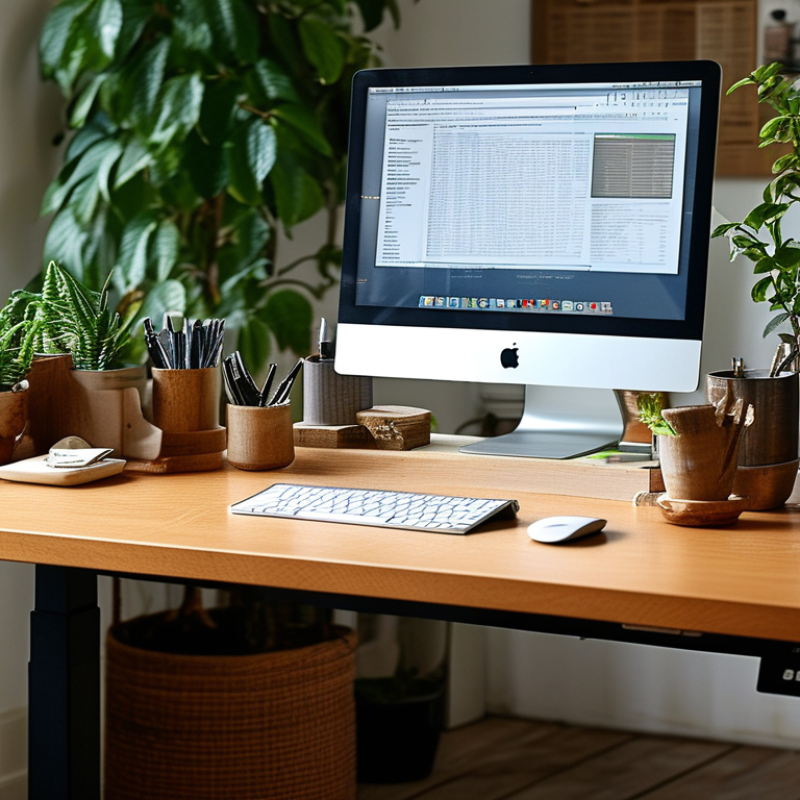
2026 How to Find the Ideal Desk Height for Productivity?

Factors Influencing Desk Height for Optimal Ergonomics

Finding the right desk height greatly impacts productivity. According to the Occupational Safety and Health Administration (OSHA), improper desk height can lead to musculoskeletal disorders. A desk that’s too high or low can cause discomfort, reducing your focus. Adjustment is key.

Ergonomics experts suggest that the ideal desk height should allow elbows to rest at a 90-degree angle. For most people, this means a height of 28 to 30 inches. However, individual height varies. A study by the International Journal of Industrial Ergonomics indicates that adjusting desk height for each user's specific measurements can boost productivity by up to 25%. This highlights the importance of personalized setups.

Considerations also include chair height and screen placement. A mismatched height can harm posture, leading to fatigue. A significant percentage of employees report back pain due to poor desk setups. Reflecting on your workspace often reveals areas for improvement. Are you comfortable? What adjustments can enhance your work environment? Engaging in self-assessment is essential for long-term productivity.

2026 How to Find the Ideal Desk Height for Productivity? - Factors Influencing Desk Height for Optimal Ergonomics

Factor Description Recommended Height (inches)
User Height Individual height measurement is crucial for determining desk height. 28 - 30
Chair Height The height of the chair can influence the appropriate desk height. Relative to chair
Posture Proper posture should be maintained while sitting, affecting desk height. Adjust until comfortable
Monitor Height Monitor height influences neck and eye strain, affecting optimal desk height. Eye level
Desk Usage Different tasks (typing vs. drafting) may require different heights. Variable
Equipment Height Height of tools used during work affects desk height choice. Depends on equipment

Recommended Desk Heights Based on User's Height and Body Proportions

Finding the right desk height is crucial for productivity and comfort. It varies based on individual height and body proportions. Generally, the ideal desk height should allow your elbows to rest comfortably at about 90 degrees when seated. This position reduces strain on your shoulders and neck.

For users around 5'0" to 5'5", a desk height of 24 to 28 inches is often recommended. Taller individuals, exceeding 6'0", might need a desk height of 29 to 30 inches. Keep in mind that everyone’s body is unique. Some might require adjustments to these standard measurements.

Those with longer legs might feel discomfort at a standard height. Customization can improve your workspace efficiency. Experimenting with desk accessories can also help. Some may find a footrest useful to enhance their posture. Finding the right fit is an ongoing journey. It’s essential to listen to your body and make adjustments as needed. Regular reflections on your comfort can lead to a more productive workspace.

2026 Ideal Desk Height for Productivity

This bar chart illustrates the recommended desk heights based on user heights. Adjusting the desk height according to individual body proportions promotes better ergonomics and productivity.

Impact of Desk Height on Posture and Long-Term Health Outcomes

Desk height plays a crucial role in maintaining proper posture and promoting long-term health. According to ergonomic studies, an ideal desk height should allow the elbows to form a 90-degree angle while remaining relaxed. If your desk is too high or too low, it can strain your shoulders and wrists, potentially leading to chronic pain or conditions like carpal tunnel syndrome. Research suggests that nearly 60% of office workers suffer from discomfort related to poor desk ergonomics.

To promote better posture, consider adjusting your chair height. Your feet should be flat on the floor, with knees aligned at hip level. Positioning your monitor at eye level can also alleviate neck strain, which affects over 70% of desk workers. Regular breaks to stretch can help combat stiffness. Small adjustments can enhance your work experience significantly.

Tip: Create a workspace checklist. Measure your desk height and chair position. Consider using detachable footrests for additional support. Be mindful of how often you change your position. Another study found that shifting positions every 30 minutes improved overall comfort and focus. As you refine your workspace, reflect on what adjustments make you feel better physically and mentally.

Tools and Techniques for Measuring Ideal Desk Height

Finding the right desk height can greatly enhance your productivity. To measure ideal desk height, start with the elbow method. Sit in a chair, aligning your elbows with your keyboard. The desk surface should match the height of your forearms. This ensures comfort and reduces strain on your wrists.

Another technique involves the 90-degree angle rule. Your feet should rest flat on the floor, and your thighs should be parallel to the ground. Measuring from the floor to your knees can give you a good gauge. However, one size does not fit all. It’s essential to consider individual body proportions.

Incorporating adjustable desks is a flexible solution. They allow users to modify height for various tasks, but not everyone can afford these options. Investing in a footrest or a chair with height adjustments might be a practical alternative. Keep in mind that your workspace details matter. A well-measured desk can lead to more productive hours. But achieving the perfect setup requires continuous reflection and adjustments.

Industry Standards and Guidelines for Ergonomic Workspaces

Finding the right desk height is crucial for productivity. Ergonomic standards suggest that your desk should allow your elbows to be at a 90-degree angle when typing. This setup reduces strain on your neck and shoulders. Many experts recommend that the desk height should be adjusted based on individual needs. Not everyone is the same height, so customization is key.

The recommended height for desks ranges from 28 to 32 inches. However, this may not work for everyone. Taller individuals might find standard heights uncomfortable. Conversely, those on the shorter side may struggle to reach comfortably. An adjustable desk can be a practical solution in such cases. It allows for varied heights throughout the day, promoting healthier posture and comfort.

Consider your chair height too. Your feet should rest flat on the ground. If not, it may lead to discomfort over time. A footrest can help bridge the gap. Remember, creating an ergonomic workspace is an ongoing process. Regularly reevaluate your setup to ensure it supports your well-being and productivity. An ideal workspace can evolve with you.

FAQS

: Why is desk height important for comfort and productivity?

: Desk height affects posture, reducing strain on shoulders and neck, enhancing comfort, and improving productivity.

What is the recommended desk height for shorter individuals?

Individuals around 5'0" to 5'5" often need a desk height of 24 to 28 inches.

How tall should a desk be for someone over 6 feet tall?

Taller individuals typically require a desk height of 29 to 30 inches for comfort.

What should I do if a standard desk height doesn't feel right?

Everyone's body is unique. Customize your workspace and consider desk accessories to improve comfort.

How can I measure my ideal desk height?

Use the elbow method. Your elbows should be at a 90-degree angle when seated at the desk.

What can I do to improve my posture while working?

Adjust your chair height, keep feet flat on the floor, and position your monitor at eye level.

How often should I take breaks while working at my desk?

Regular breaks to stretch and change positions can prevent stiffness and enhance comfort.

Can an adjustable desk benefit my workspace?

Yes, adjustable desks allow height modification for various tasks, promoting comfort and productivity.

What are some simple adjustments I can make for better ergonomics?

Consider using a footrest, adjusting chair height, and measuring desk height for better support.

Is it necessary to reflect on my workspace setup?

Yes, regularly assessing your comfort can lead to improved productivity and overall well-being.

Conclusion

Finding the ideal desk height for productivity is essential for creating an ergonomic workspace. Factors such as individual height and body proportions significantly influence what this height should be. Recommended desk heights vary based on these personal characteristics, ensuring that each user can maintain proper posture while working. This is crucial, as incorrect desk height can lead to discomfort and long-term health issues.

Additionally, measuring the ideal desk height can be done using various tools and techniques, which allow for customization according to personal needs. Understanding industry standards and guidelines can also help create an optimal workspace that promotes productivity and well-being. By addressing these aspects, individuals can determine what the ideal desk height for productivity is, ultimately enhancing their work experience and health.

Madeline

Madeline

Madeline is a dedicated marketing professional with a wealth of expertise in our company's core offerings. With a keen understanding of the industry, she brings a unique perspective to her role, consistently delivering high-quality content that highlights the superior aspects of our products. As......