In the fast-evolving workplace of 2026, a significant trend has emerged: height-adjustable desks. These desks are no longer a novelty but a preferred choice for many employees. Dr. Emily Hughes, a workplace ergonomics expert, states, "Height-adjustable desks help employees feel more in control of their workspace." This sentiment resonates deeply as employees seek environments that prioritize comfort and productivity.
More individuals are recognizing the benefits of standing while working. Height-adjustable desks promote better posture and reduce the risk of chronic pain. Employees often report increased energy levels and enhanced focus. However, it is essential to consider that not everyone adapts easily to this change. Some may find the constant adjustment distracting or uncomfortable.
"Why do employees prefer height-adjustable desks?" This question highlights a broader discussion about workplace wellness. Many workers aim for a healthier balance between sitting and standing. As organizations adopt these desks, they must also provide training on their proper use. Creating a supportive environment is crucial to maximizing the advantages of this trend. Each workspace is unique, and the solutions that work for one may not for another.
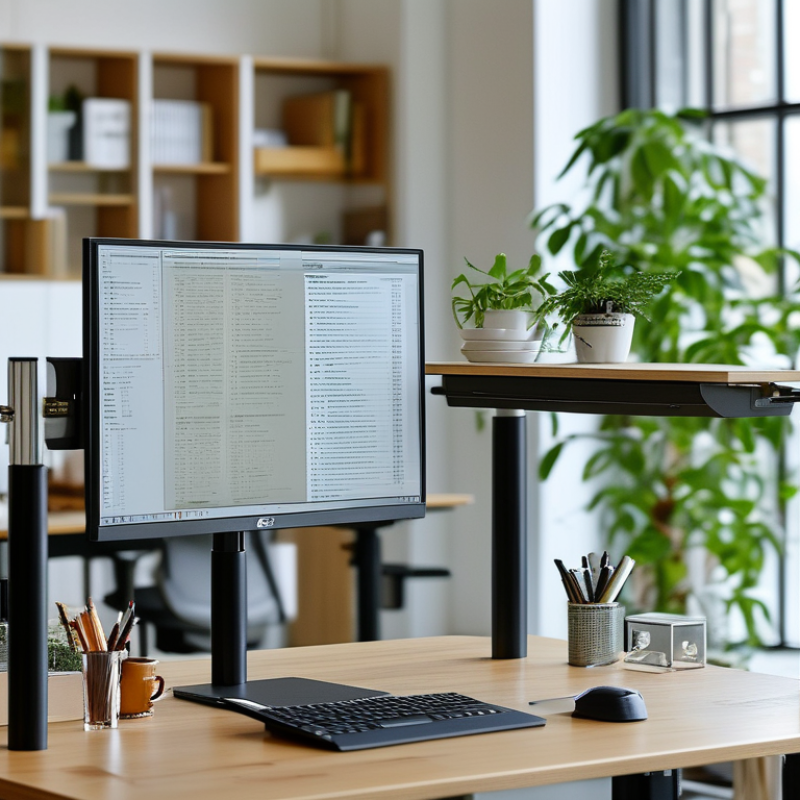
The evolution of workplace ergonomics has significantly impacted employee health and productivity. In 2026, height adjustable desks have emerged as a popular solution. Recent studies show that approximately 70% of employees report increased comfort and reduced pain when using such desks. The emphasis on ergonomics has become crucial in a world where remote work and flexible hours are the norm. With many workers spending over eight hours a day at their desks, a shift in posture throughout the day can mitigate the risks associated with prolonged sitting.
Research by the American Chiropractic Association highlights that proper ergonomic setups can decrease musculoskeletal disorders by up to 50%. As organizations become more aware of these statistics, the adoption of height adjustable desks increases. They allow employees to alternate between sitting and standing, promoting better blood circulation and overall well-being. However, the transition is not without challenges; some workers may initially feel discomfort with new postures or need time to adjust to the flexibility.
Furthermore, while height adjustable desks offer benefits, they can also lead to distractions. Employees may find it hard to concentrate when frequently changing positions. This aspect of adjustability requires careful consideration and training. Companies should implement guidelines to help staff maximize their ergonomic setups while minimizing potential drawbacks. Balancing comfort with productivity remains a critical aspect of workplace design in 2026.
| Feature | Employee Preference (%) | Health Benefits (%) | Productivity Increase (%) |
|---|---|---|---|
| Adjustable Height | 75% | 80% | 60% |
| Improved Posture | 70% | 85% | 55% |
| Reduced Back Pain | 68% | 90% | 50% |
| Flexibility | 80% | 75% | 65% |
| Collaboration Space | 72% | 70% | 58% |
: They promote movement and improve posture. Users can switch between sitting and standing for better health.
Employees feel more energized, leading to increased job satisfaction and focus throughout the workday.
Sitting too long can lead to obesity, cardiovascular problems, and chronic back pain.
Ensure your screen is eye level and your feet are flat on the ground for proper alignment.
It’s essential to take short breaks regularly. This can help re-energize your body and improve focus.
Concerns about stability and aesthetics contribute to their hesitation. Some are unsure about long-term benefits.
Yes, it depends on individual work habits. Some focus better sitting, while others prefer standing, especially in meetings.
Experimenting with different heights is important. Everyone has unique comfort levels and it may take time.
Yes, an ergonomic and adaptable workspace can enhance mental health and improve overall efficiency.
Remote work has increased the demand for comfort and flexibility, making height adjustable desks more appealing.
In 2026, a significant trend in office environments is the growing preference for height-adjustable desks, prompting the question, "Why do employees prefer height-adjustable desks?" This preference is largely driven by the evolution of workplace ergonomics, which emphasizes the importance of adaptability in workstation design to promote comfort and reduce strain. Height-adjustable desks offer numerous health benefits, including the reduction of sit-related ailments and the promotion of better posture, which contribute to overall employee well-being.
Moreover, the rise of remote work trends has influenced desk preferences, as employees seek versatility in their workspaces, whether at home or in an office setting. Studies have linked the use of adjustable desks to productivity improvements, as employees can alternate between sitting and standing, which helps maintain energy levels and focus. Additionally, modern design aesthetics play a vital role, as businesses aim to create inviting and functional office environments that appeal to both employees and visitors.

 Vant Furniture