How to design a collaborative workspace with modular furniture?

Time:2026-05-11 Author:Ethan
0%

In today's fast-paced work environment, the design of collaborative workspaces is essential. According to industry expert James Wilkins, "Modular furniture transforms how teams can interact and collaborate." His insight sheds light on the importance of having flexible systems that adapt to team needs.

When exploring how to create a collaborative workspace with modular furniture, it's crucial to consider various elements. Modular pieces can be easily rearranged, promoting both creativity and interaction among team members. This versatility not only supports different working styles but also allows teams to reconfigure their space for specific projects.

However, achieving the perfect setup is not without challenges. Teams often struggle with finding a balance between open areas and private spaces. There might be too much space assigned to areas that go unused. Addressing these factors requires ongoing reflection and re-evaluation. Ultimately, understanding how to create a collaborative workspace with modular furniture can lead to a dynamic and effective working environment.
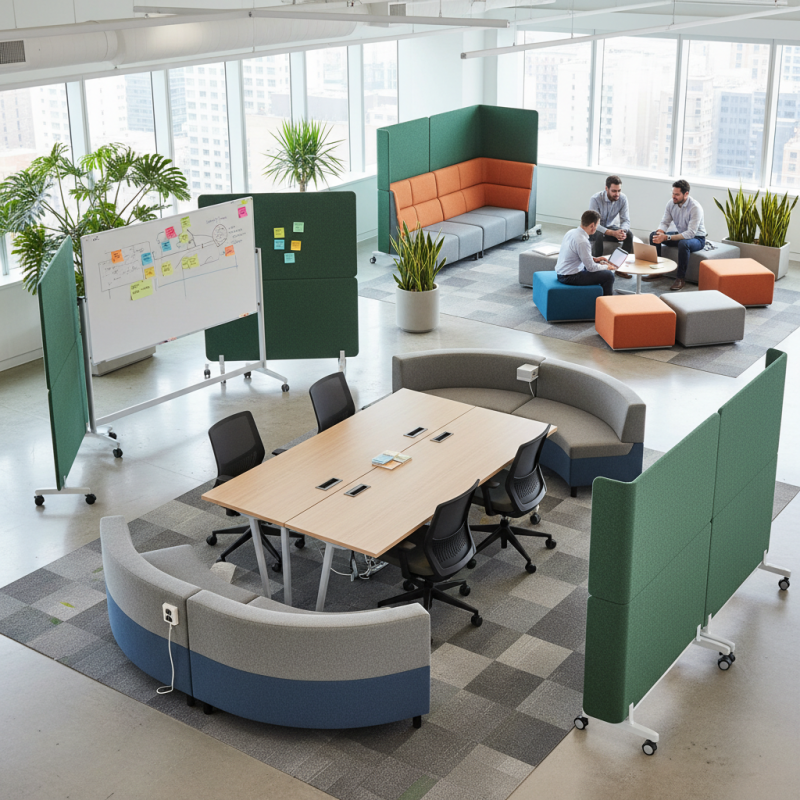
How to design a collaborative workspace with modular furniture?

Understanding the Concept of Collaborative Workspaces

Collaborative workspaces are designed to encourage teamwork and creativity. They emphasize flexibility, allowing teams to adapt spaces according to their needs. A report by the International Council for Shopping Centers found that 83% of employees feel more productive in collaborative environments. This highlights the importance of designing spaces that facilitate interaction.


When developing your workspace, consider modular furniture. It allows for easy reconfiguration based on the team's size and type of work. For instance, movable desks and portable seating can transform a quiet area into a brainstorming space. An industry report from Steelcase shows that such flexibility increases employee engagement by 47%.


Tips: Ensure that furniture supports various activities. Think about acoustics and visual barriers that can enhance focus where needed. Regularly assess how well the space meets the team's evolving requirements. In the fast-paced world of work, it's crucial to remain adaptable. Reflect on what works and what doesn’t to create the ideal collaborative environment.

Exploring the Benefits of Modular Furniture in Office Design

Modular furniture offers significant advantages in modern office design. According to a recent report by Steelcase, flexible workspaces boost employee satisfaction by 30%. This increase stems from the adaptability of modular systems, allowing for quick reconfiguration based on team needs. Employees can customize their environments, which fosters collaboration. Research indicates that when employees feel comfortable, productivity rises by up to 20%.

A well-designed modular workspace enhances communication and interaction. A study by Haworth notes that open, adaptable layouts encourage spontaneous conversations. These informal exchanges often lead to creativity and innovation. However, not all employees thrive in open settings. It’s vital to include quiet zones, as some workers require solitude to focus. Striking a balance is essential.

Moreover, the sustainability factor cannot be overlooked. Modular furniture often utilizes recyclable materials. This approach appeals to a growing demographic of environmentally-conscious businesses. However, while the flexibility of modular designs is appealing, companies must be cautious about excessive spending on unnecessary elements. Reflecting on these aspects is crucial for creating effective and sustainable workspaces.

Benefits of Modular Furniture in Collaborative Workspaces

Key Principles for Designing an Effective Collaborative Workspace

Designing a collaborative workspace with modular furniture is about flexibility and functionality. An effective space encourages teamwork and creativity. Make sure your layout promotes easy movement and communication. Open spaces can foster collaboration, while areas for quiet work are essential too.

**Tip:** Use a mix of seating options. Include soft seating, standing desks, and high tables. These variations can invite different types of collaboration. For example, low seating can create a relaxed environment for brainstorming sessions.

Consider incorporating movable dividers. They can create temporary meeting areas. This adaptability allows teams to reconfigure the space as needed. However, it's important to strike a balance. Overly rigid designs can hinder creativity.

**Tip:** Keep technology in mind. Integrated power sources empower users to connect their devices easily. Be mindful of cable management; visible cords can make a space feel cluttered. Ultimately, a collaborative workspace should feel inviting, yet functional. A well-designed space reflects your team's culture and values.

How to design a collaborative workspace with modular furniture? - Key Principles for Designing an Effective Collaborative Workspace

Key Principle Description Benefits Examples
Flexibility Use of modular furniture that can be reconfigured to adapt to various team sizes and activities. Encourages dynamic interaction and maximizes space utilization. Movable benches, adjustable desks, and collapsible meeting tables.
Collaboration Zones Designate specific areas with suitable furniture for group discussions and brainstorming sessions. Fosters teamwork and creative collaboration. Soft seating areas, round tables, and whiteboard stations.
Technology Integration Incorporate technology seamlessly into the modular design, providing easy access to power and connectivity. Enhances productivity and ensures that all team members can engage effectively. Integrated charging ports, wireless presentation tools, and smart tables.
Aesthetics and Comfort Choose colors and materials that create a pleasant working environment that people enjoy being in. Improves employee morale and well-being, leading to higher retention rates. Ergonomic chairs, vibrant color palettes, and natural light solutions.
Easy Accessibility Ensure that the workspace is accessible to everyone, including those with disabilities. Creates an inclusive environment that values all employees. Adjustable height desks and movable furniture layouts.

Selecting the Right Modular Furniture for Flexibility and Functionality

Selecting the right modular furniture is crucial for creating a collaborative workspace. According to a recent report by the International Facility Management Association, organizations that prioritize flexible work environments see a 20% increase in team productivity. Modular furniture allows for easy reconfiguration, encouraging teamwork and adaptability.

When choosing modular pieces, consider versatility. Look for items that can serve multiple purposes, like desks that can transform into meeting tables. Research indicates that such designs not only save space but also enhance functionality. However, not all modular systems offer the same quality. It's vital to assess durability and comfort, as lower-quality options may lead to quick deterioration.

Another factor is aesthetic appeal. A well-designed workspace boosts morale. The National Institute of Health found that environments with appealing designs can increase employee satisfaction by 10-15%. Consider color schemes and materials that resonate with your team’s culture. Still, it’s essential to balance style with practicality. Overly trendy designs may not age well or meet future needs. Prioritizing flexibility ensures that your workspace adapts as work styles evolve.

Incorporating Technology and Aesthetics into Modular Workspace Design

Creating a modular workspace involves careful consideration of technology and aesthetics. The use of modular furniture offers flexibility. It can adapt to various team sizes and tasks. According to a report by the International Facility Management Association, 83% of employees desire a workspace that fosters collaboration. This shows the growing importance of well-designed environments.

Incorporating technology seamlessly into modular designs can enhance productivity. For example, using integrated charging stations can reduce clutter. A study published by Furniture Today states that over 60% of employees feel tech integration enhances their workflow. This highlights the need for designers to create functional yet stylish spaces.

Tips: Consider using colors that evoke creativity. Bright colors can energize the space. Use soft textures to ensure comfort. Balance aesthetics with functionality. It's crucial to reflect on what employees truly need. Sometimes, the most stylish solutions may not serve practical purposes. Always be prepared to iterate on design choices based on user feedback.

FAQS

: What are the main benefits of modular furniture in office design?

: Modular furniture enhances flexibility and boosts employee satisfaction by 30%. It allows for quick reconfiguration of workspaces.

How does modular furniture impact productivity?

Research shows a 20% increase in productivity when employees feel comfortable in their environment.

Why is communication important in modular furniture layouts?

Open layouts foster informal conversations, sparking creativity and innovation among team members.

Do all employees thrive in open office settings?

Not everyone excels in open spaces. Some employees need quiet zones for focus, making balance critical.

How does sustainability play a role in modular furniture?

Modular pieces often use recyclable materials, catering to environmentally-conscious businesses.

What should I consider when selecting modular furniture?

Focus on versatility and functionality. Look for furniture that serves multiple purposes, like desks that convert to meeting tables.

How do aesthetics influence employee morale?

A well-designed workspace can boost employee satisfaction by 10-15%. Consider colors and materials that reflect the team’s culture.

Are all modular furniture systems durable?

No, quality varies. It’s essential to assess the durability. Lower-quality options may deteriorate quickly and require replacement.

Should style or functionality be prioritized in furniture selection?

Balance is key. While aesthetic appeal matters, overly trendy designs may not be practical long-term.

What risks come with flexible workspace designs?

Companies may overspend on unnecessary elements. Reflecting on needs is crucial for creating effective workspaces.

Conclusion

Creating a collaborative workspace with modular furniture is an innovative approach that emphasizes flexibility and adaptability in office design. The concept revolves around understanding the essence of collaborative workspaces, which encourages teamwork and communication among employees. Modular furniture plays a pivotal role in this design by allowing spaces to be easily reconfigured to meet dynamic needs, thereby enhancing both functionality and aesthetics.

Key principles for designing such spaces involve selecting the right modular pieces that support various work styles while ensuring a fluid environment. Incorporating technology seamlessly into these designs further elevates the workspace, making it conducive to collaboration. Overall, this approach not only maximizes space utilization but also fosters a creative and engaging atmosphere, effectively answering the question: how to create a collaborative workspace with modular furniture?

Ethan

Ethan

Ethan is a seasoned marketing professional with a deep expertise in our company's innovative product line. With a passion for sharing knowledge and insights, he takes the lead in regularly updating our corporate blog, where he explores industry trends, product features, and effective marketing......