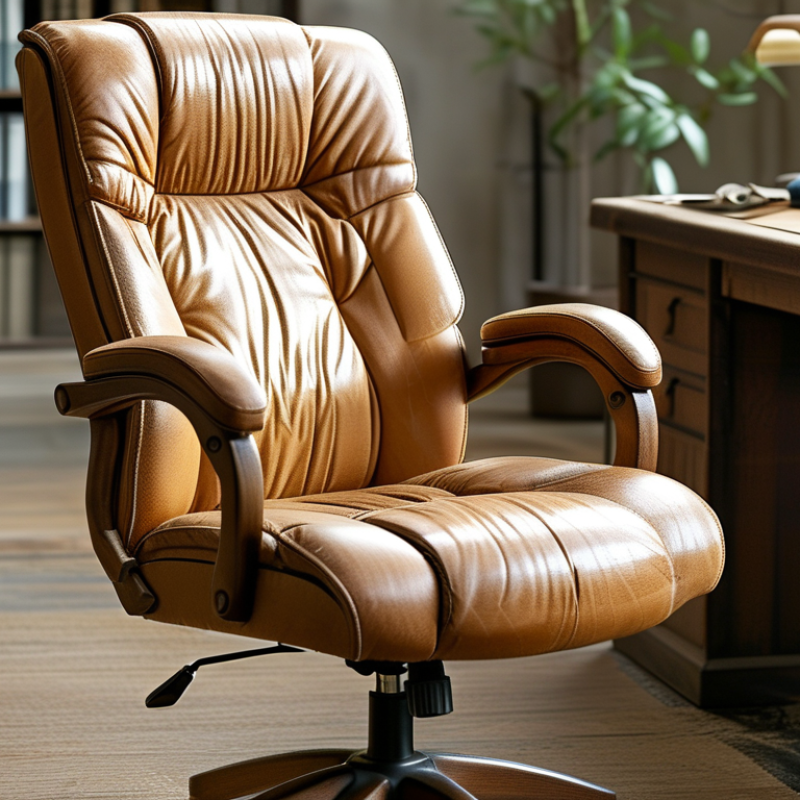
Leather office chairs are a staple in many work environments due to their comfort and elegance. However, maintaining their appearance and durability can be challenging. The question often arises: How to clean and maintain leather office chairs? This guide aims to explore effective methods of caring for these valuable office assets.
Proper cleaning and maintenance methods can vary depending on the leather type and chair design. Regular dusting and occasional deep cleaning are essential. Neglecting these tasks can lead to cracks and fading. Many users overlook simple care techniques that could prolong the chair's life. A few missteps, like using harsh chemicals, can damage the leather. Understanding what products to use is crucial for maintaining your chair’s quality.
Investing time into the proper care of your leather office chair pays off. Not only does it enhance the aesthetic appeal, but it also ensures a healthier seating option. Engaging in regular maintenance practices will create a better workspace. Remember, a well-maintained chair speaks volumes about your professionalism. Consider these tips to keep your chair looking its best.
Choosing the right cleaning products for leather office chairs is essential for maintenance. Not all cleaners work well on leather. Water and soap are often too harsh. You need to avoid anything with alcohol, oils, or strong chemicals. These substances can dry out or damage the leather.
Opt for a leather cleaner that is pH-balanced. Test a small area first. This precaution helps ensure compatibility. Look for products designed specifically for leather care. Many cleaners come with moisturizing agents. This can help nourish the leather, keeping it supple.
Remember, even the best products cannot replace routine care. Regular dusting can prevent buildup. Be mindful of exposure to sunlight. Prolonged light can fade leather color. This simple prevention goes a long way. A thoughtful approach to maintenance enhances the chair's lifespan significantly.
Cleaning and maintaining leather office chairs requires careful preparation. Start by removing loose debris. Use a soft brush or a vacuum with a brush attachment. This will help avoid scratching the leather during further cleaning. A 2021 study highlighted that regular maintenance can extend the lifespan of leather furniture by up to 30%.
Next, test your cleaning solution. Choose a mild soap mixed with water. Dampen a cloth, but don’t saturate it. Excess water can damage leather, leading to unsightly stains. You might want to try this method on a small, inconspicuous area first. This step helps ensure that your chosen solution won’t discolor the leather.
Tips: Always dry the chair with a separate cloth after cleaning. This extra step helps prevent water stains. Consider applying a leather conditioner every six months. This can keep the leather soft and supple. Remember, over-conditioning is a common mistake. Too much product can make leather greasy and attract dirt. Regularly assessing the chair’s condition can help you avoid this pitfall.
Leather office chairs require a systematic approach to keep them looking pristine. Begin by dusting the chair with a microfiber cloth. This simple step removes loose particles that can scratch the leather. According to industry statistics, regular dusting can prolong the lifespan of leather by 30%. After dusting, use a specially formulated leather cleaner. Apply it sparingly with a soft cloth, working it into the grain. Avoid saturating the leather, as excess moisture can cause deterioration.
Once cleaned, it's essential to condition the leather. Leather conditioners restore moisture and prevent cracking, especially in drier environments. Experts recommend conditioning every 3-6 months. Skipping this step can lead to irreversible damage. Remember to test products on a hidden area first to avoid discoloration.
Lastly, be mindful of how you position the chair. Avoid placing it near direct sunlight or heaters, which can dry out the material.
Cleaning and maintaining leather office chairs is straightforward, yet often overlooked. Many professionals neglect the frequency of cleaning, which should reflect the usage of the chair. A report highlights that over 50% of office workers sit in their chairs for more than 8 hours daily. Regular maintenance not only keeps chairs in good shape but also promotes a healthier work environment.
Maintaining leather office chairs requires regular care to keep them looking new. Dust and dirt can accumulate quickly. Use a soft, dry cloth to wipe the surface. This simple step prevents grime build-up. If you notice spills, address them immediately. Blot the area with a damp cloth; avoid rubbing. Rubbing can damage the leather.
Conditioning is another vital practice. Use a leather conditioner every six months. This helps prevent cracks and keeps the material supple. Apply the conditioner evenly. Let it absorb, and then buff with a dry cloth. It might feel unnecessary, but it's essential for long-term preservation.
Consider the environment where the chair is used. Direct sunlight can cause fading. If possible, keep the chair away from windows. High humidity can also be an issue. Regularly inspecting your chair for signs of wear will help you catch problems early. Repairing minor issues promptly can save time and money in the long run.
Leather office chairs, while luxurious, can suffer from various issues over time. A study by the Leather Research Centre revealed that approximately 70% of leather damage is caused by improper care. Regular maintenance is key to prolonging the life of your chair and minimizing damage. Avoid placing your chair in direct sunlight, as UV rays can cause fading and cracking.
When spills occur, act quickly. Blot excess liquid with a soft cloth; never rub. For stains, a mix of mild soap and water can work wonders. Many experts recommend using a leather conditioner at least twice a year. This practice can prevent drying and maintain the chair's luster. Research suggests that untreated leather can lose up to 40% of its moisture over time.
Common issues include scratches and cracks. A report indicated that 50% of leather users experience these problems after three years of use. Address scratches promptly with a leather repair kit. For deeper cracks, professional restoration may be necessary. However, minimizing damage is often more effective than remediation. Consider using covers or throws when the chair is not in use, preserving its condition for years ahead.
| Maintenance Task | Frequency | Method | Common Issues Addressed |
|---|---|---|---|
| Dusting | Weekly | Use a soft cloth or microfiber | Prevents dirt build-up |
| Conditioning | Monthly | Apply leather conditioner | Prevents cracking and drying |
| Spot Cleaning | As needed | Use mild soap and water | Removes stains and spills |
| Professional Cleaning | Every 1-2 years | Hire a leather care professional | Deep cleaning and restoration |
| Protection Application | Every 6 months | Use leather protector spray | Repels water and stains |
: Choose a pH-balanced leather cleaner. Avoid alcohol or strong chemicals.
Remove loose debris first. Use a soft brush or vacuum with a brush attachment.
Excess water can damage leather. Don't saturate the cloth you use.
Apply it every six months. Over-conditioning can make leather greasy.
Scratches and cracks are common, especially after three years of use.
Keep the chair out of direct sunlight. UV rays can fade and crack leather.
Blot the spill immediately with a soft cloth. Avoid rubbing the stain.
Regular dusting and maintenance help prevent buildup and damage over time.
Over-conditioning is common. It attracts dirt and makes the leather greasy.
Use a leather repair kit for scratches. For deep cracks, consider professional help.
To answer the question, "How to clean and maintain leather office chairs?" it's essential to start with choosing the right cleaning products specifically designed for leather. Before cleaning, preparing your leather chair involves essential steps such as removing dust and debris, which ensures an effective cleaning process. The step-by-step cleaning process consists of applying the cleaner appropriately, wiping with a soft cloth, and conditioning the leather to prevent dryness.
Additionally, regular maintenance tips are crucial for keeping leather chairs in good condition, including routine dusting and conditioning every few months. Knowing how to prevent and address common leather damage issues, such as scratches and stains, will further extend the lifespan of your office chair. By following these guidelines, you can ensure your leather office chairs remain stylish and durable for years to come.
Vant Furniture