Choosing the right office furniture is crucial for shaping company culture. The connection between furniture choices and workplace environment is profound. Expert Dr. Clara Mason, a leading voice in workplace design, states, "Office furniture choices can either foster collaboration or hinder it." This highlights the significant role furniture plays in shaping interactions among employees.
When considering "What is the impact of office furniture on company culture?" one must look beyond aesthetics. Functional design can enhance productivity. For instance, open spaces promote teamwork, while private areas offer needed quiet. A mismatch in furniture can lead to frustration and disengagement among staff, ultimately reflecting poorly on company morale.
Moreover, the challenge lies in balancing comfort and professionalism. Choosing overly casual furniture might undermine a serious work atmosphere. Conversely, rigid setups can stifle creativity. Each decision warrants careful thought. It's clear that office furniture extends its influence beyond mere utility; it actively molds the company culture in both subtle and overt ways.
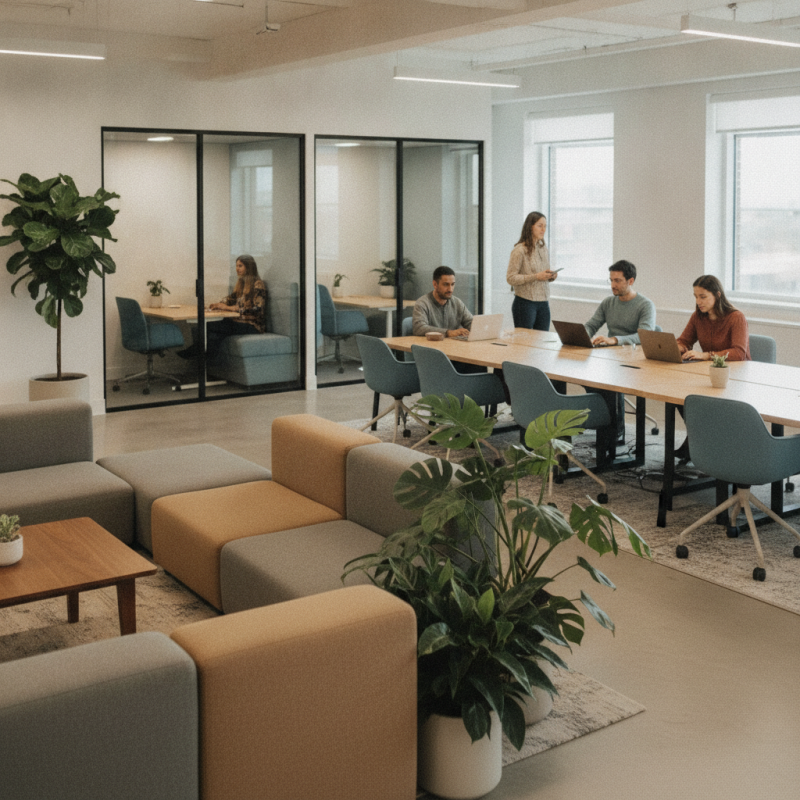
The choice of office furniture can profoundly influence company culture. Comfortable, stylish furniture can enhance employee well-being. Research shows that 51% of employees feel more productive in well-designed spaces. Proper furniture fosters collaboration and creativity. Open floor plans with adaptive furniture encourage communication.
However, many companies overlook this connection. A report by the International Facility Management Association indicates that 70% of workers believe their work environment affects their job satisfaction. When offices lack proper furniture, it can lead to stress and disengagement. For instance, inadequate ergonomic options can result in discomfort and health issues.
A thoughtful selection of furniture conveys a company's values. Companies that invest in quality furniture signal care for employee welfare. The right choices can inspire a sense of belonging. Yet, budget constraints often lead to compromises. Striking a balance between aesthetics, functionality, and cost is vital.
Creating an office space that reflects core values and cultural goals is crucial. A well-designed environment enhances collaboration. Research indicates that 73% of employees believe office design impacts their productivity. Thoughtful furniture choices create spaces that foster creativity and innovation.
Open layouts encourage teamwork. Flexible seating options allow employees to adapt their environments. Companies should consider quiet zones, which are essential for focused work. A report found that 68% of workers value spaces for solitude. Balancing collaborative areas with quiet spaces is key.
Furniture selections should align with core values. If a company prioritizes sustainability, eco-friendly materials are essential. This choice not only reflects values but shows commitment to the environment. However, many overlook budget constraints and aesthetic appeal. Striking a balance can be challenging. Ultimately, companies must reflect on what they truly want their workspace to represent.
| Dimension | Description | Cultural Impact |
|---|---|---|
| Flexibility | Adjustable desks and mobile furniture allow for varied work styles. | Promotes adaptability and employee well-being. |
| Collaboration | Common areas with lounge furniture to encourage teamwork. | Fosters communication and idea exchange among employees. |
| Brand Alignment | Furniture that reflects brand identity and values. | Reinforces company culture and employee pride. |
| Sustainability | Use of eco-friendly materials and designs. | Promotes social responsibility and a positive image. |
| Comfort | Ergonomic chairs and desks for a healthier workspace. | Enhances productivity and employee satisfaction. |
Choosing the right office furniture is crucial. It can reflect your company's identity. When selecting styles, consider your core values. Each piece of furniture sends a message.
Modern, sleek designs may represent innovation. Cozy, inviting spaces can reflect a culture of collaboration. Open seating areas foster teamwork, while private offices may suggest a focus on individual work. The choice is a reflection of who you are as a brand.
Colors and materials also play a role. Bright colors can enhance creativity. Neutral tones may promote focus and calm. Remember, furnishings should align with your vision. Review your selections regularly. Are they still telling your story?
Creating functional spaces in the office is crucial for fostering collaboration, focus, and overall well-being. Open floor plans can encourage teamwork, but they may also lead to distractions. Finding the right balance is essential. Consider areas for both quiet work and communal gathering. Soft seating arrangements and collaborative furniture can enhance team interactions.
Designing for well-being should prioritize natural light and plants. Studies show that exposure to nature boosts mood and productivity. Ensure that different lighting options are available. Adjustable desks can help employees stay comfortable and engaged. It's important to reflect on how the space affects employee morale and performance.
If the layout feels chaotic, seek feedback. Employees may have valuable insights on how to improve. Regularly assess the impact of the furniture on team dynamics and individual productivity. Adapting and evolving the workspace can create an environment that supports diverse working styles.
Choosing office furniture is about more than aesthetics. It reflects a company's values and culture. Engaging employees in the selection process can lead to a more harmonious workplace. When workers feel heard, they are more likely to embrace their environment. Their preferences shape flexibility and collaboration.
Start by gathering input through surveys or discussions. Ask employees what they need for comfort and productivity. Preferences may range from ergonomic chairs to collaborative workspaces. Consider the mix of quiet areas and open spaces. Recognition of these needs can lead to better morale.
However, not all feedback will be feasible. Balancing divergent tastes is a challenge. Some may prefer modern designs, while others lean toward classic styles. This can lead to tough decisions. Prioritize the most common needs and look for compromises. Ultimately, a thoughtful approach creates a workplace that reflects shared values.
: Office furniture affects employee well-being and productivity. Comfortable furniture leads to better job satisfaction.
Research shows that 51% of employees feel more productive in well-designed spaces.
Poor furniture can cause stress and disengagement. Ergonomic issues may lead to discomfort.
Thoughtful furniture choices show care for employee welfare. They inspire a sense of belonging.
About 73% of employees believe office design impacts their productivity.
Flexible seating allows workers to adapt environments to their needs. This promotes comfort and collaboration.
Many workers, 68%, value quiet zones for focused work. Balancing collaboration with solitude is essential.
Yes, budget limitations often force compromises. Companies must balance aesthetics and functionality.
Companies prioritizing sustainability should use eco-friendly materials. This reflects commitment to environmental values.
Companies must consider their core values. They should reflect on what they want their space to represent.
The article "How to Choose Office Furniture that Shapes Company Culture?" delves into the significant role of office furniture in shaping an organization's culture. It examines the impact of office furniture on company culture, emphasizing how thoughtfully selected furnishings can foster collaboration, enhance focus, and promote employee well-being. By identifying core values and cultural goals, companies can determine the appropriate styles and arrangements that reflect their identity.
Furthermore, the piece highlights the importance of functional spaces tailored to various work modes, ensuring that employees feel comfortable and engaged. Incorporating employee preferences into the furniture selection process not only empowers staff but also reinforces a positive cultural environment. Ultimately, this approach helps in creating a workspace that aligns with the company’s mission and values, making office furniture a crucial element in cultivating a thriving organizational culture.

Vant Furniture