In today’s fast-paced work environment, optimizing office layout is crucial. Research shows that effective office design can boost productivity by up to 30%. A well-arranged workspace minimizes distractions and enhances collaboration. One industry expert, Dr. Emily Carter, emphasizes, “How to arrange furniture to improve office workflow? Start by prioritizing comfort and accessibility.”
Furniture placement affects not only individual performance but also team dynamics. For instance, open spaces encourage communication while designated quiet areas support focused work. However, it’s essential to balance these elements. Overcrowded spaces can overwhelm employees. Additionally, a poorly designed layout can lead to frustration and decreased morale.
Ultimately, understanding how to arrange furniture for efficiency involves trial and error. Each team has unique needs. Therefore, it’s vital to gather feedback regularly. Small changes can lead to significant improvements. In the quest for an effective workspace, continuous assessment is key to fostering a positive work culture.
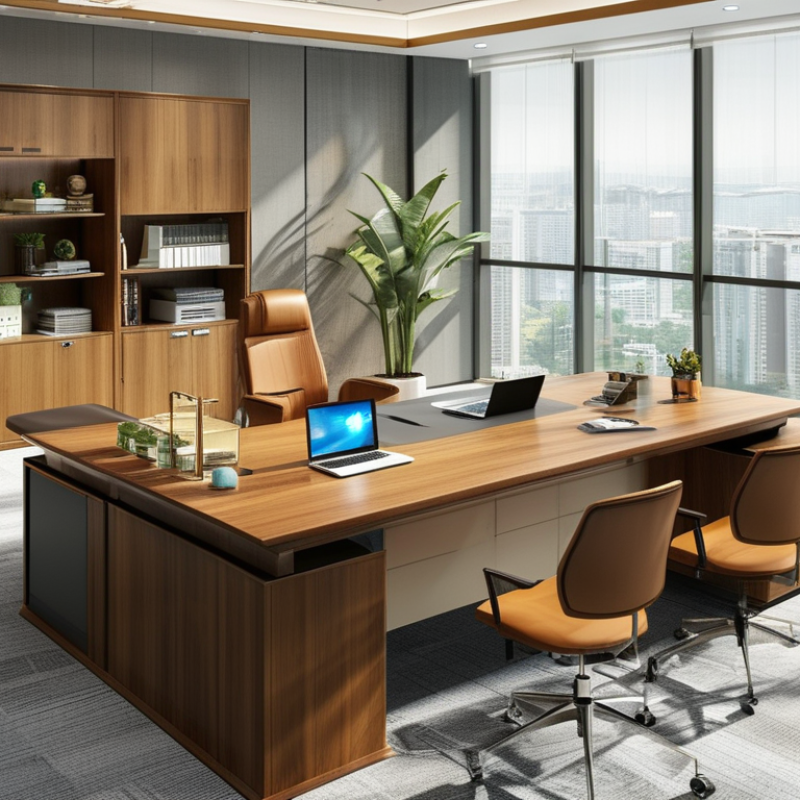
Assessing Your Office Space for Optimal Furniture Arrangement
Assessing your office space is crucial for enhancing workflow. Begin by taking accurate measurements of the room. This allows you to visualize your layout. Consider entry points, windows, and any permanent fixtures. Create a floor plan that outlines potential furniture arrangements.
Think about the work style of your team. Some may thrive in open spaces, while others require privacy. Experiment with different layouts. A common mistake is overcrowding the area. Leave enough space for movement. Cluttered spaces can hinder productivity.
Lighting plays a key role as well. Natural light boosts mood. Position desks near windows if possible. However, ensure that glare does not impact screens. Take time to reflect on how the current setup affects workflow. Obtaining feedback from employees can provide insight into necessary changes. Adjustments may take time, so be patient in finding the best arrangement.
Choosing the Right Furniture for Enhanced Comfort and Productivity
When choosing office furniture, comfort is key. Studies show that ergonomic chairs can decrease discomfort by up to 40%. This suggests that investing in adjustable desks and supportive seating might lead to significant productivity gains. A well-arranged workspace minimizes distractions.
Creating functional zones enhances workflow. For example, designate areas for collaboration, focus, and relaxation. According to a report by the International Facility Management Association (IFMA), well-designed spaces can increase employee satisfaction by 10%. However, not all companies prioritize spatial organization.
Consider the arrangement carefully. Clutter can hinder motivation. Research indicates that a disorganized workspace may lead to a 15% drop in efficiency. Ensure that every item has a place. Assessing furniture placement can seem daunting. Small adjustments can yield big changes in productivity. Evaluate your current setup. Is it time for a rethink?
Creating Zones for Collaboration and Focused Work
Creating distinct zones within an office can significantly enhance productivity. Research by the International Facilities Management Association suggests that well-defined spaces lead to 20% more effective collaboration. By separating areas for focused work from those meant for teamwork, businesses can cater to diverse employee needs.
Designating quiet zones helps minimize distractions. Use sound-absorbing materials to enhance these areas. Incorporate comfortable seating and adequate lighting. For collaboration zones, include large tables and whiteboards. Encourage teamwork with movable furniture to adapt as needed. Flexibility fosters creativity.
**Tips**: Establish a balance between private and open spaces. Invest in ergonomic furniture to reduce discomfort. Regularly gather employee feedback to tweak workspace layouts. Avoid overcrowding common areas, as this can stifle interaction rather than promote it. Reflection on these setups can lead to improved efficiency and employee satisfaction.
Office Furniture Arrangement Impact on Workflow
Utilizing Ergonomics to Improve Employee Well-being
Designing office spaces with ergonomics in mind is vital. Comfortable chairs and adjustable desks reduce strain. When employees feel good, they perform better. An ergonomic workstation promotes efficiency and decreases fatigue. Encourage staff to adjust their setups. This simple change can yield significant results.
Lighting is another crucial aspect of office ergonomics. Natural light enhances mood and productivity. When possible, position workstations near windows. Use task lighting for areas with less natural light. Employees should also have adjustable screen heights. Screens that are too high or low can cause discomfort.
Regular breaks are essential as well. Encourage a culture where employees step away from their screens. Short walks and stretches can alleviate tension. While designing the workspace, remember to incorporate communal areas. These spaces foster collaboration and creativity. Reflect on the layout often. Employee feedback can lead to vital improvements in the working environment.
China Best Tips for Arranging Office Furniture to Boost Workflow? - Utilizing Ergonomics to Improve Employee Well-being
| Tip |
Description |
Benefits |
Ergonomic Consideration |
| Optimize Desk Height |
Ensure desks are adjustable to fit individual heights. |
Enhances comfort and reduces strain on the back. |
Encourages proper posture. |
| Invest in Adjustable Chairs |
Choose chairs that offer multiple adjustments. |
Promotes better circulation and decreases discomfort. |
Supports lumbar region and encourages dynamic seating. |
| Strategic Monitor Placement |
Position monitors at eye level and an arm's length away. |
Reduces eye strain and neck discomfort. |
Encourages natural head position. |
| Utilize Task Lighting |
Incorporate adjustable lighting for workspaces. |
Enhances focus and minimizes fatigue. |
Provides adequate illumination without glare. |
| Encourage Standing Breaks |
Implement schedule for standing or walking breaks. |
Promotes movement and reduces sedentary behavior. |
Maintains energy levels and enhances productivity. |
Incorporating Technology to Streamline Workflow and Communication
Incorporating technology in office design is essential for enhancing workflow and communication.
Modern workplaces benefit from tools like collaboration software and integrated communication systems.
A study by the International Facility Management Association (IFMA) revealed that organizations see a
40% increase in productivity when using digital communication platforms. This underscores the importance of
selecting furniture that accommodates such technology.
Consider adjustable desks that allow for easy placement of devices. Ergonomic chairs equipped with charging ports can minimize clutter.
Additionally, open layouts with designated tech stations promote teamwork. However, not all setups are successful. A rigid layout may hinder creativity and collaboration.
According to a report from the Global Workplace Analytics, ineffective workspace design leads to a
60% decrease in employee engagement.
Office furniture should not be an afterthought. Prioritizing tech integration enhances both efficiency and comfort.
Employees need spaces that encourage innovation while accommodating their digital needs. Balancing aesthetics and functionality is critical.
Regular feedback from staff can highlight areas for improvement, ensuring the office evolves with the trends in technology and communication.
Conclusion
To enhance workplace efficiency, understanding "how to arrange furniture to improve office workflow?" is crucial. Start by assessing your office space to determine the most effective layout for your furniture. Selecting the right furniture not only boosts comfort but also promotes productivity among employees. Designating specific zones for collaboration and focused tasks encourages a harmonious balance between teamwork and individual work, optimizing workflow.
Incorporating ergonomic furniture further supports employee well-being, reducing discomfort and fatigue during long hours. Additionally, integrating technology into the office layout facilitates seamless communication and workflow, helping teams to collaborate more effectively. By strategically arranging furniture within these guidelines, businesses can create an environment that fosters productivity and enhances overall employee satisfaction.

 Vant Furniture