Standing desks have gained popularity in modern offices. They promise to enhance productivity and well-being. But what are the benefits of standing desks in the workplace? According to workplace productivity expert Dr. Emily Thompson, "Standing desks can transform how we work by improving focus and reducing fatigue."
Studies suggest that using standing desks can lead to increased energy levels. Employees often report feeling more alert and engaged. Additionally, standing desks can help alleviate back pain, a common complaint in sedentary jobs. However, it's important to find a balance. Some individuals may experience discomfort when standing for extended periods.
As organizations adopt these desks, they should consider employee feedback. It's not just about standing up; it's about creating a comfortable work environment. Encouraging short breaks can also promote movement. By blending standing and sitting, businesses may unveil the true potential of their workers. Overall, standing desks could be a catalyst for change in workplace dynamics.
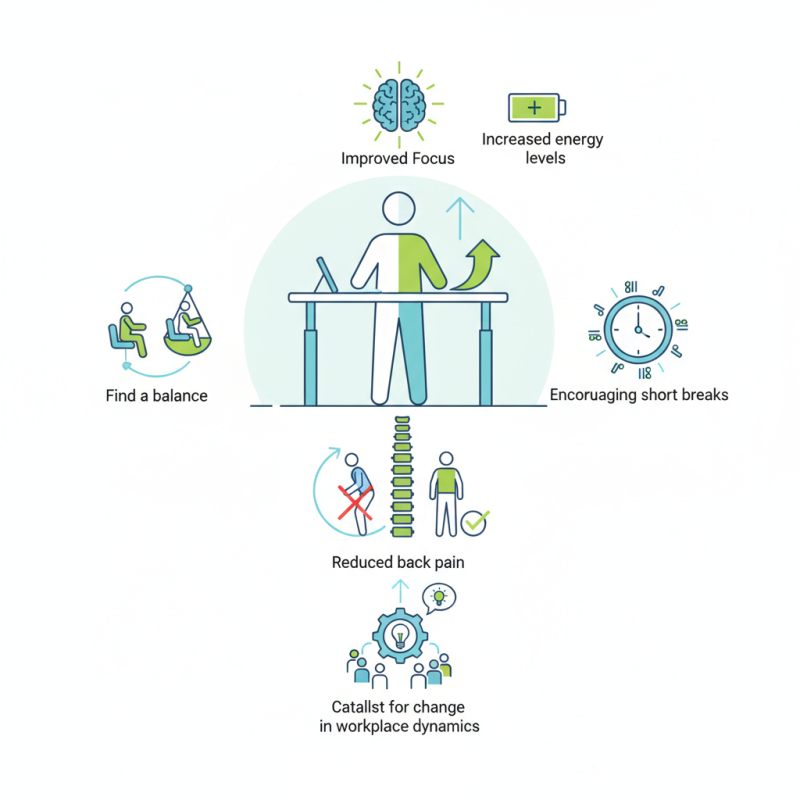
Standing desks are becoming popular in modern offices. They offer a unique way to work while standing. This simple change can significantly boost workplace productivity. Studies show that standing while working can enhance focus and energy levels. Employees who use standing desks frequently report improved mood and reduced fatigue.
One noticeable benefit is increased movement throughout the day. Standing encourages more natural breaks for stretching or walking. This can lead to enhanced creativity and problem-solving abilities. However, it’s essential to find a balance. Prolonged standing can cause discomfort for some. It is crucial to alternate between sitting and standing for optimal results.
While many embrace this trend, some may feel skeptical about its benefits. It's important to acknowledge that standing desks might not suit everyone. Individual comfort is vital. Experimenting with various setups can lead to better outcomes. Companies should offer options and encourage feedback from employees. A tailored approach can make all the difference in fostering a productive environment.
: Standing desks can boost productivity, enhance focus, and improve energy levels. They may also uplift mood and reduce fatigue.
Research shows that employees report being more engaged and energetic when using standing desks. This can lead to better performance.
Yes, standing too long can cause discomfort or fatigue. It’s essential to alternate between sitting and standing for comfort.
Adjust the desk height to ensure a comfortable position. This can help reduce strain on the body during use.
No, individual comfort varies. Some may prefer traditional sitting desks. It’s important to find what works best for each person.
Simple stretches or brief walks can enhance circulation. These activities can improve focus and maintain energy levels.
Companies should encourage feedback regarding comfort. Having options can help create a more productive workspace for everyone.
Regularly switching can aid in comfort and productivity. It’s beneficial to find a rhythm that works for each individual.
If discomfort arises, it can negatively affect performance. Regular check-ins can help address concerns and lead to improvements.
Standing desks have gained popularity as a tool for enhancing workplace productivity, prompting the question: "What are the benefits of standing desks in the workplace?" Research indicates that using standing desks can lead to improved energy levels, better posture, and increased concentration, all contributing to higher productivity among employees. Additionally, standing desks come in various types, including manual and electric models, allowing organizations to choose the best fit for their needs.
Transitioning to a standing desk setup requires careful planning, including ergonomic considerations and encouraging regular movement throughout the day to maximize benefits. Implementing best practices can help employees adjust seamlessly. Ultimately, measuring the impact of standing desks on employee performance can provide valuable insights into their effectiveness, making them a worthwhile investment for fostering a healthier and more productive work environment.

 Vant Furniture