10 Best Tips to Create a Collaborative Workspace with Modular Furniture

Time:2026-08-27 Author:Madeline
0%

Creating a collaborative workspace with modular furniture is essential in today's dynamic work environment. Research shows that 72% of employees feel more productive in flexible spaces. Modular furniture promotes adaptability, which enables teams to configure their work areas according to their specific needs. This adaptability can significantly enhance collaboration and communication among team members.

To answer the question, "How to create a collaborative workspace with modular furniture?" it is crucial to understand the various elements involved. Modular furniture allows for easy reconfiguration. This flexibility helps accommodate different tasks and workflows. Additionally, integrating ergonomic designs can improve comfort and well-being in the workplace. According to a report from the World Green Building Council, well-designed workspaces can increase workplace satisfaction by a staggering 42%.

However, it’s not only about aesthetics or comfort. The challenge lies in balancing functionality with creativity. Not all modular options cater to collaboration. Choosing the right pieces that promote interaction while still being comfortable for individual tasks can be a daunting task. Therefore, organizations must carefully evaluate their specific needs and reflect on the potential downsides of various designs before making decisions.
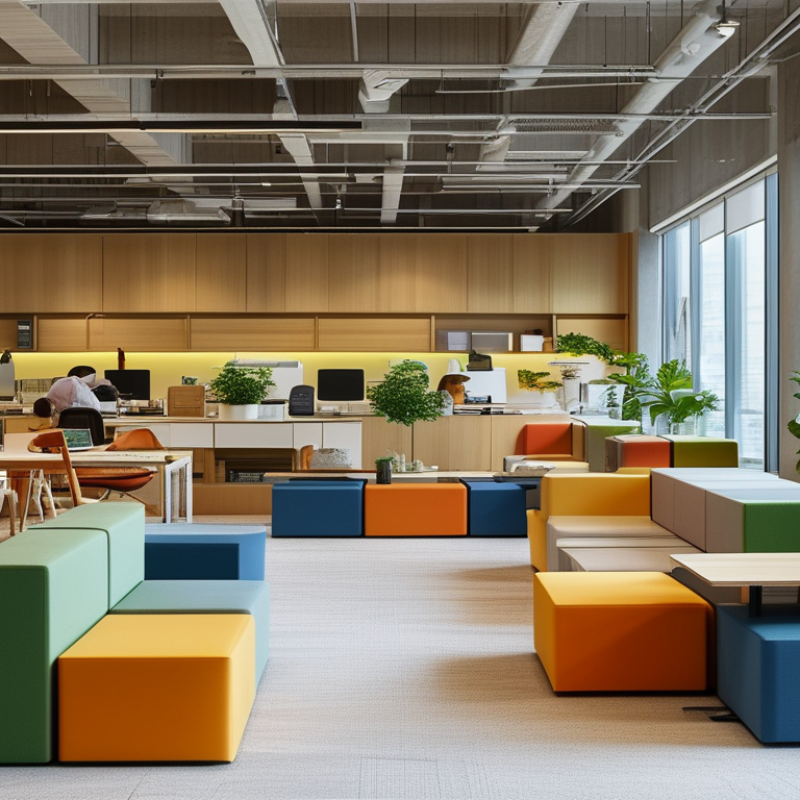
10 Best Tips to Create a Collaborative Workspace with Modular Furniture

Understanding Modular Furniture and Its Benefits in Workspaces

Modular furniture is a transformative addition to modern workspaces. Its design allows for flexibility and adaptability in office layouts. With the ability to reconfigure spaces easily, teams can create environments that foster collaboration and creativity. This type of furniture not only enhances the aesthetic appeal of an office but also promotes functionality. Each piece can serve multiple purposes, making it a smart investment.

The benefits of modular furniture extend beyond mere aesthetics. It encourages interaction among team members, breaking down the barriers often found in traditional office settings. Teams can assemble or disassemble units based on their specific needs. This dynamic can be empowering, yet it might also create a sense of chaos if not managed properly. Employees may feel overwhelmed by too many choices or configurations. Striking a balance between versatility and simplicity is key.

Additionally, modular furniture can adapt as a company grows. Organizations can scale their setups without the need for constant new purchases. This leads to sustainability in both design and budget. However, there may be challenges to consider, such as the initial learning curve for employees who are used to conventional setups. Emphasizing training and feedback can help smooth this transition. Modular furniture thus represents both an opportunity and a challenge in creating an effective collaborative workspace.

Key Elements of a Collaborative Workspace Design

Modern workspace design emphasizes collaboration. A collaborative workspace encourages teamwork, creativity, and productivity. According to a report by the International Facility Management Association, 70% of employees value collaborative environments for enhancing innovation. Modular furniture plays an essential role in this setup. It allows for flexibility, enabling teams to rearrange spaces based on current needs.

Consider incorporating movable partitions. They create flexible meeting areas while maintaining open communication. Adjustable desks also empower employees to switch between sitting and standing. This adaptability promotes well-being and prevents fatigue during long hours. Research shows that active workstations can improve focus by 20%.

Another crucial element is the use of shared spaces. Breakout areas foster informal discussions, leading to spontaneous idea generation. Comfy seating and creative decor can inspire a relaxed atmosphere. Yet, while designing these spaces, it's vital to avoid overcrowding. A cluttered environment can hinder productivity and often leads to stress. Balancing open areas with quiet zones can cater to diverse working styles effectively.

Choosing the Right Modular Furniture for Your Office Needs

Choosing the right modular furniture for your office needs can significantly enhance collaboration. Start by identifying your workspace requirements. Consider how many employees need to interact daily. This assessment helps in selecting suitable furniture. Modular units that can be reconfigured easily support different team sizes. Flexibility is key in any modern workspace.

Designing a collaborative environment means creating spaces that encourage interaction. Use furniture that promotes communication and engagement. For instance, low partitions or semi-enclosed seating arrangements can foster conversations. Incorporate communal tables where teams can gather for brainstorming sessions.

Look for furniture that offers storage options, too. Clutter can hinder effective collaboration. Modular storage solutions can keep shared areas organized. Test different arrangements before finalizing your layout. This trial and error approach helps in finding the perfect setup for your team dynamics.

Office Furniture Type Preference for Collaborative Workspaces

Maximizing Space Efficiency with Modular Furniture Arrangements

Creating a collaborative workspace using modular furniture can significantly enhance space efficiency. A study by the International Facility Management Association found that flexible workspaces yield a 30% increase in productivity. Modular designs allow employees to easily reconfigure their environments, encouraging teamwork and creativity. Open areas can transform into meeting zones with minimal effort. Research suggests that collaboration boosts innovation, which is crucial in today's fast-paced business world.

Implementing modular arrangements often requires initial investment, but the long-term benefits are substantial. Spaces can adapt to different projects or team sizes instantly. However, not all designs fit every environment. It’s vital to assess the specific needs of your team to avoid underutilizing valuable real estate. Unused space often leads to wasted resources, showing that customization is key in designing effective workspaces. Understanding these dynamics helps create a balance between openness and privacy, essential for modern work settings.

Incorporating Flexibility and Adaptability in Work Environment

Creating a collaborative workspace involves embracing flexibility and adaptability. Modular furniture plays a crucial role in achieving that. Design the layout to allow for easy reconfiguration. Seating arrangements can be adjusted for team sizes. This helps accommodate different work styles, whether it's group brainstorming or focused tasks.

Utilize multifunctional furniture to maximize space efficiency. Consider workstations that can transform from individual desks to collaborative tables. This versatility invites spontaneous collaboration and innovation. Keep in mind, however, that over-customization can lead to clutter. Regularly evaluate the layout and make necessary adjustments to maintain an effective work environment.

Incorporate elements that support both quiet reflection and group interaction. Zones should be clearly defined but flexible. Create areas with soft seating for casual meetings or brainstorming. At the same time, ensure dedicated quiet zones for concentration. It’s crucial to be aware that not all furniture options will suit every team's needs. Test different configurations and gather feedback for continuous improvement. Balancing dynamic use and comfort requires thoughtful planning and regular review.

FAQS

: How does modular furniture improve workspace efficiency?

: It allows easy reconfiguration, boosting teamwork and creativity. Open spaces can quickly transform into meeting areas.

What impact does flexibility have in work environments?

Flexibility supports different work styles. It helps accommodate group brainstorming and focused tasks effectively.

Are there costs associated with implementing modular arrangements?

Yes, initial investments are often needed. However, the long-term benefits generally outweigh these costs.

What should teams consider before choosing furniture designs?

Teams must assess specific needs and avoid underutilizing valuable space. Customization is essential for effective designs.

How can multifunctional furniture benefit workspaces?

It maximizes space by allowing workstations to shift between individual desks and collaborative tables. This fosters innovation.

What risks are associated with over-customization of workspace?

Over-customization can lead to clutter. Regular evaluations are necessary to adjust layouts for optimal use.

Why is creating defined zones important?

Defined zones support both quiet work and group interaction. Balancing these needs creates a better work atmosphere.

How can feedback improve workspace arrangements?

Testing different configurations and gathering feedback leads to continuous improvement. This helps tailor designs to team needs.

What should be done to ensure a comfortable environment?

Balance dynamic use and comfort. Regular reviews and thoughtful planning are critical for maintaining an effective workspace.

Can all furniture options fit every team?

No, not all options are suitable for every team. It's vital to explore and test different arrangements for effectiveness.

Conclusion

Creating a collaborative workspace with modular furniture involves understanding its unique benefits and how it can enhance office dynamics. Key elements of a successful collaborative design include open layouts, communal areas, and individual workspaces that foster communication and teamwork. When choosing the right modular furniture, consider flexibility, adaptability, and the specific needs of your team. Effective arrangements can maximize space efficiency, allowing for easy reconfiguration as team dynamics shift.

Ultimately, the question of how to create a collaborative workspace with modular furniture lies in embracing versatility and encouraging a culture of cooperation. By thoughtfully integrating these elements, organizations can cultivate an environment that not only boosts productivity but also promotes creativity and engagement among employees.

Madeline

Madeline

Madeline is a dedicated marketing professional with a wealth of expertise in our company's core offerings. With a keen understanding of the industry, she brings a unique perspective to her role, consistently delivering high-quality content that highlights the superior aspects of our products. As......