When it comes to office comfort, choosing the right chair is crucial. Many suffer from back pain due to poor chair selection. This article addresses the question: How to choose the best office chair for back pain?
Finding a chair that supports your back can be challenging. Many options flood the market, making decisions overwhelming. Good posture is vital when seated for long hours. An ergonomic chair can help alleviate discomfort. It’s essential to focus on features like lumbar support and adjustable height.
Before purchasing, consider your daily needs. Some chairs are designed for short periods, while others are built for extensive use. Personal comfort varies, too; what works for one person may not work for another. Take time to research and prioritize the key elements in office chairs that combat back pain. This decision can greatly impact your health and productivity.
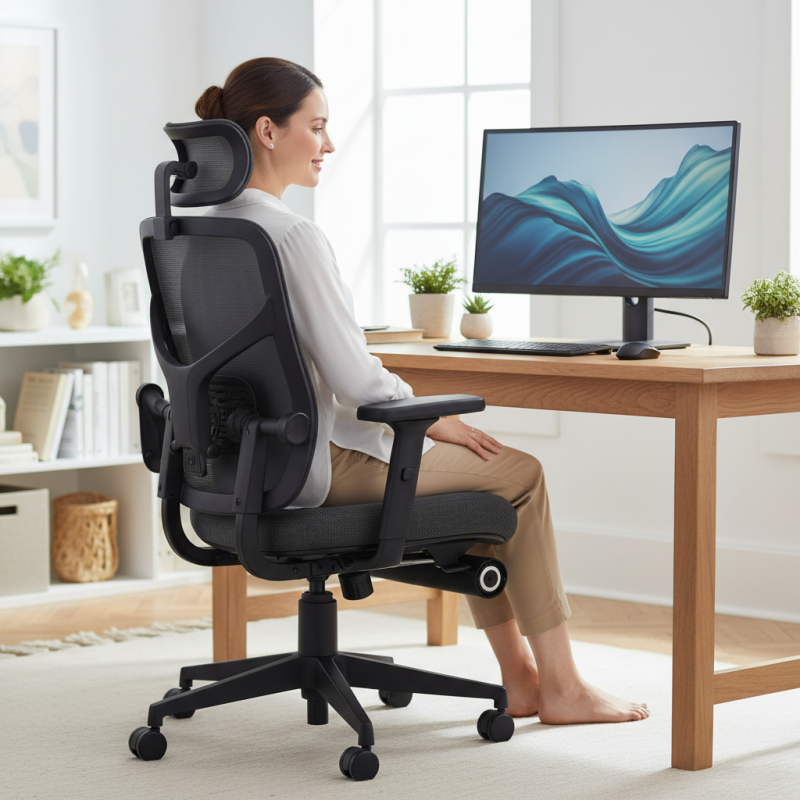
Back pain is a prevalent issue in today’s office environments. Research indicates that approximately 54% of office workers experience back pain. A direct link exists between the type of office chair used and the onset of back discomfort. Understanding this connection is key for selecting the right chair to support your spinal health.
One common mistake is assuming that all office chairs offer adequate lumbar support. A study from the Occupational Health Psychology Journal highlights that chairs lacking proper back support can exacerbate pain, particularly in the lower back area. Ergonomic designs, when properly fitted, can significantly reduce the risk of back injury. Features such as adjustable lumbar support, seat depth, and armrest height play a crucial role in preventing discomfort.
Moreover, sitting for prolonged periods can negatively impact posture and lead to muscle fatigue. The average office worker spends about 6.5 hours daily sitting at a desk. This sedentary behavior, without the aid of a suitable chair, can lead to long-term back problems. Regular breaks and movement are essential, but choosing the right chair is the first step in promoting better back health. A well-fitted chair can help improve posture and reduce the stress placed on the spine.
When selecting an office chair, there are essential features to consider for effective ergonomic support. One key aspect is lumbar support. According to the Occupational Safety and Health Administration (OSHA), nearly 80% of American adults experience back pain at some point. A chair with adjustable lumbar support can alleviate discomfort by providing proper spine alignment.
Another critical feature is seat depth adjustment. A well-fitted seat reduces pressure on the thighs and improves blood circulation. A report from the American Chiropractic Association highlights that sitting for prolonged periods in poorly designed chairs can lead to serious health issues, including musculoskeletal disorders. Ensuring the seat depth accommodates different body types is vital for maintaining comfort.
Armrests should also be adjustable. They help relieve shoulder strain and reduce muscle tension. The right armrest height allows for relaxed shoulders and proper arm positioning. Studies show that fixed armrests can contribute to upper body fatigue, which may lead to more serious injuries over time. Evaluate each feature and how it meets personal needs to ensure a successful choice.
Choosing the right office chair can significantly impact your back health. Materials play a crucial role in this choice. Breathable fabrics enhance comfort, especially during long hours. Memory foam provides support but may retain heat. Always consider the chair's core material. A good chair should blend softness with stability.
Adjustability is equally important. Look for options that let you modify height, armrests, and lumbar support. This customization helps accommodate different body types. Not everyone can find their ideal position without adjustments. A fixed chair might cause strain over time.
Finding a balance between materials and adjustability can be challenging. Take time to test chairs, even if it feels tedious. What works for others may not suit you. Sometimes, it requires trial and error. Pay attention to how each chair feels after prolonged use. Your back will thank you later for these mindful choices.
When selecting an office chair, comfort is key, especially for those suffering from back pain. A study from the American Pain Society reveals that approximately 80% of adults experience back pain at some point. Choosing the right chair can significantly alleviate this issue. In China, numerous office chair brands offer designs specifically aimed at providing lumbar support and promoting good posture.
Popular ergonomic chairs incorporate features like adjustable lumbar support and breathable fabrics. The right chair allows for proper spine alignment, reducing strain during long work hours. According to the Office Furniture Survey in 2022, 74% of employees report improved comfort with ergonomic chairs. However, this comfort is often not matched with aesthetics, leaving some chairs looking bulky or unattractive in modern office spaces.
Not every chair works for everyone. Individual preferences for firmness and height can vary greatly. Ergonomic chairs may look similar, yet each design offers unique benefits tailored to specific needs. The same survey indicates that 38% of users feel overwhelmed by choices, often resulting in dissatisfaction. Experimenting with different models and configurations is vital for finding the perfect fit, one that balances comfort, style, and adjustability.
Maintaining proper posture is essential when using an office chair, especially for those dealing with back pain. Sitting up straight can alleviate strain on the spine. Your feet should rest flat on the floor, while your knees should be at a right angle. If your feet don’t touch the ground, consider using a footrest. This simple adjustment can support your lower back.
Use an office chair with good lumbar support. The backrest should fit snugly against your lower back. A chair that encourages an upright position promotes a healthier spine. Remember to take breaks. Standing and stretching periodically can relieve tension. Remaining seated for long periods can worsen any discomfort.
Engage your core muscles while seated. It sounds simple, but many forget this crucial aspect. A strong core can support your spine more effectively. Often, people find themselves slouching when focused. Regular reminders to sit tall can change this habit. Adjust your workspace to encourage better posture. Small tweaks can make a significant difference in how your back feels at the end of the day.
| Feature | Description | Importance | Tips for Use |
|---|---|---|---|
| Adjustable Lumbar Support | Provides support to the lower back, reducing strain. | High | Position the lumbar support to match the curve of your lower back. |
| Seat Height Adjustment | Allows the user to maintain feet flat on the floor. | Essential | Adjust the height so your knees are at a 90-degree angle. |
| Backrest Tilt | Enables reclining for relaxation and comfort. | Moderate | Adjust the tilt to support a slight backward lean. |
| Armrests | Help support the arms and relieve shoulder tension. | Helpful | Position armrests so shoulders are relaxed and elbows at 90 degrees. |
| Seat Depth Adjustment | Allows for optimal thigh support and circulation. | High | Keep a gap of 2-4 finger widths between the back of your knees and the seat. |
: Lumbar support helps maintain proper spine alignment. It can reduce back pain. Many people experience this issue.
Adjusting seat depth reduces pressure on the thighs. It also improves blood circulation, preventing discomfort.
Adjustable armrests relieve shoulder strain. They help position arms correctly and reduce muscle tension.
Look for breathable fabrics for comfort. Memory foam offers support but may retain heat over time.
Adjustability allows for customization to fit various body types. Fixed settings can lead to strain and discomfort.
Testing different chairs is essential. It may take time, but comfort varies from person to person.
Yes, prolonged use of poorly designed chairs increases the risk of musculoskeletal disorders. Be cautious about your choice.
Pay attention to how it feels after extended use. Your comfort level is crucial to your back health.
When considering how to choose the best office chair for back pain, it's essential to first understand the relationship between back pain and the types of chairs used in office settings. An ergonomic office chair can significantly alleviate discomfort by providing proper support and alignment for the spine. Key features to look for include adjustable lumbar support, seat depth, and backrest height, which help accommodate individual body shapes and preferences.
Additionally, the materials used in the chair, such as breathable fabrics and cushioning, contribute to overall comfort. Adjustability is crucial; a chair that can be tailored to suit your specific needs will promote better posture and reduce strain. Maintaining proper posture while seated—such as keeping feet flat on the ground and ensuring the back is supported—also plays a vital role in minimizing back pain. By combining these insights, individuals can select an office chair that not only supports their back but enhances productivity as well.

Vant Furniture