Busy offices rarely become quiet through one expensive purchase. Noise comes from rolling chairs, ringing phones, open conversations, and hard surfaces reflecting every sound. The best 2026 office furniture will address these sources together, not merely hide them. This introduction explores How to reduce noise in a busy office using furniture? It focuses on acoustic screens, high-back seating, sound-absorbing workstations, soft flooring, and carefully placed storage units.
Acoustics specialist Julian Treasure states, “Conscious listening always creates understanding.” His point matters in office design because furniture influences how people hear, concentrate, and communicate. A fabric-panel workstation can soften speech near a shared desk. A tall bookcase can interrupt sound paths between teams. Lounge seating with acoustic upholstery may reduce echoes beside a busy corridor. These details are practical, visible, and measurable through employee feedback and basic sound-level checks.
Still, furniture is not a perfect cure. A beautiful acoustic pod can become useless when its door stays open. A thick carpet may reduce footsteps but cannot stop a loud video meeting. Budget, cleaning needs, accessibility, ventilation, and workplace habits also shape the result. That is where professional assessment becomes valuable. Experienced designers test furniture in the actual office, during real working hours, rather than trusting showroom samples. The following guide compares promising office furniture choices for 2026, explains where each works best, and identifies the compromises buyers may overlook. Quiet is not absolute. Better control is the realistic goal.
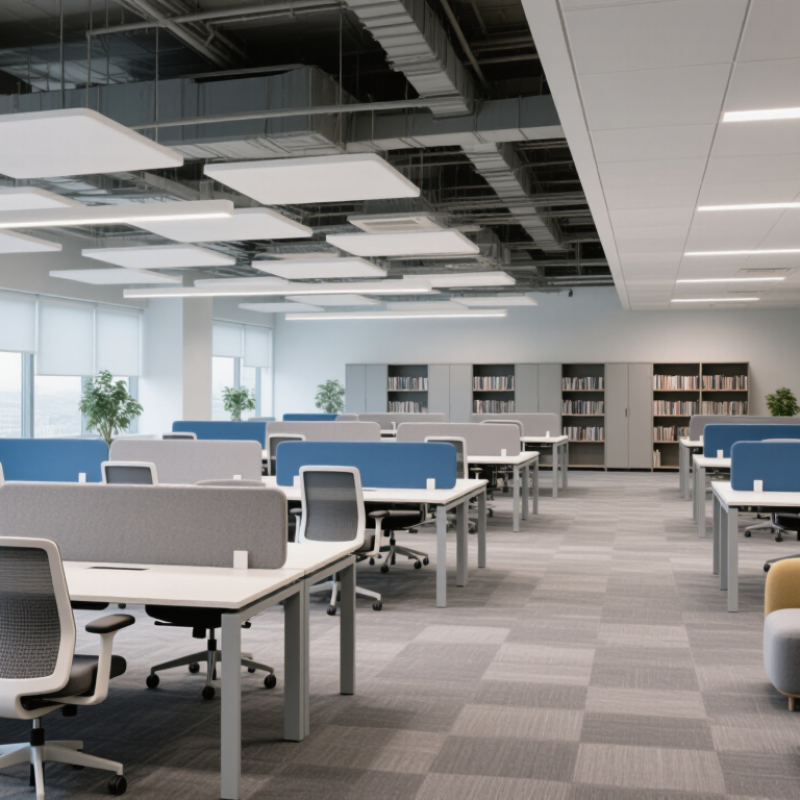
What Makes Office Furniture Effective at Reducing Workplace Noise
Effective office furniture reduces noise through absorption, blocking, and spacing. Upholstered wall panels, acoustic screens, and fabric-covered seating absorb reflected speech. Hard desks alone do little. They may even make conversations feel sharper. In a busy office, I have noticed that bare glass and high ceilings amplify keyboard clicks and phone calls. Furniture works best when it interrupts these sound paths, not when it simply looks soft.
A high-backed workstation screen can shield nearby speech at seated ear level. Dense materials usually matter more than thin decorative foam. Bookcases filled with uneven files can scatter sound, while closed cabinets help block it. Soft lounge chairs and thick rugs reduce the harshness of footsteps. Keep noisy equipment away from quiet work zones. Small changes can be measurable. An inexpensive sound meter can compare readings before and after rearrangement, although it cannot replace professional acoustic testing.
Effective choices should also support posture, access, and movement. A screen that blocks daylight or creates cramped aisles solves one problem badly. Furniture should match the room’s noise pattern, employee tasks, and cleaning routines. Some acoustic products lose performance when fabric sags or panels collect dust. I would review them after several weeks, rather than trust a showroom impression. Not always. Human behavior remains the difficult part. People may still speak loudly across open aisles, so clear team norms are necessary. Furniture alone cannot make a crowded office quiet.
Key Furniture Types for Controlling Sound in Busy Offices
In busy offices, sound control depends on furniture placement, material choice, and daily behavior. The 2024 Gensler Global Workplace Survey gathered responses from more than 14,000 workers across 10 countries. It found that focused work remains a major reason employees use an office. Noise travels. Furniture must interrupt that path.
Acoustic desk screens reduce direct speech between workstations. High-back lounge seating can create quieter corners for short calls or concentrated tasks. Enclosed work booths offer stronger separation, but they need ventilation and enough internal absorption. Storage cabinets also help when their backs contain dense acoustic panels. Leesman Index research, based on more than one million workplace responses, repeatedly identifies noise control as a major factor in workplace experience. In practice, a beautiful booth can still sound harsh if its ceiling and floor reflect every voice. That is the part many plans miss.
Tips:
Place screens between speakers and listeners, not randomly. Mix quiet zones with collaborative areas. Choose fabric, felt, perforated wood, or other tested absorptive surfaces. Ask an acoustics professional to review reverberation time before purchasing large quantities. Test one furniture cluster for a week. Employees may reveal problems that drawings hide. Do not expect furniture alone to solve loud equipment, poor scheduling, or constant calls. It is not perfect. Reassess after occupancy.
How to Choose Noise-Reducing Furniture for Different Work Areas
How to Choose Noise-Reducing Furniture for Different Work Areas
Busy offices need different acoustic solutions, not one universal furniture package. The Gensler Research Institute’s 2024 Global Workplace Survey indicates that individual work still occupies roughly 70% of employees’ time. Therefore, open desks need high-backed screens, acoustic desk dividers, and ceiling-mounted absorbers. These features reduce direct speech without making the space feel isolated.
Quiet is not uniform. In focus zones, place desks away from printers, kitchens, and main walkways. Use upholstered panels behind monitors and enclosed pods for confidential calls. Collaboration areas need softer seating, movable screens, and sound-absorbing wall surfaces. A 2023 report from the World Green Building Council links better indoor environmental quality with improved employee wellbeing and productivity. Yet furniture alone cannot fix poor planning.
Measure before buying. ISO 3382-3 recommends evaluating speech privacy and spatial decay in open-plan offices. Record noise during busy periods, not only during a quiet afternoon. For practical testing, compare conversations at nearby desks after installing one sample screen. The result may surprise you. A tall panel can block sightlines but still reflect sound from glass walls. I would also leave clear circulation routes, because crowded furniture creates new stress. Test before buying. Recheck after two weeks, when normal work patterns return.
2026 Best Office Furniture to Reduce Noise in Busy Offices
Typical Noise Reduction Coefficient (NRC) benchmarks for choosing furniture and acoustic elements by work area
Higher NRC values indicate greater sound absorption by the material or furniture surface. Use acoustic desk screens in open-plan team areas, upholstered surfaces in collaboration zones, high-NRC panels near focus areas, and absorptive booth surfaces in phone or video-call zones. NRC is a laboratory absorption rating, not a guaranteed room-wide decibel reduction; final results depend on coverage, placement, ceiling height, occupancy, and room finishes.
Placement Strategies for Improving Office Acoustic Comfort
In 2026, office furniture should be placed as carefully as it is selected. Leesman’s 2024 workplace dataset, built from more than one million employee responses, continues to identify noise and privacy as major workplace concerns. Place high-back chairs and acoustic screens between focused desks and busy walkways. Their height should block direct sound paths, not daylight or sightlines.
Create acoustic layers. Position tall storage units near printers, kitchens, and meeting points. These areas generate sharp, repeated sounds. Use upholstered seating in collaboration zones, then keep quiet workstations farther away. Desks should face away from circulation routes when possible. A simple change can reduce visual distraction, too.
Soft materials help. Hard floors and glass reflect speech across open rooms. Rugs, fabric panels, and planted dividers can absorb or scatter those reflections. The World Health Organization’s 2018 noise guidelines use 55 dB as a daytime outdoor annoyance reference, although office interiors require more specific testing. Measure sound at seated ear height, especially during peak activity.
Do not over-screen every desk. Excessive barriers can make teams feel isolated and restrict supervision. In practice, a mixed layout works better: quiet edges, active centers, and flexible furniture between them. This is not perfect. Acoustic comfort changes with occupancy, and one afternoon measurement can mislead. Recheck the space after real work begins.
Maintenance and Future Trends in Noise-Reducing Office Furniture
In busy offices, noise-reducing furniture works only when it stays in good condition. Acoustic screens collect dust, loosen at joints, and lose effectiveness when moved carelessly. Facilities teams should inspect connectors, casters, fabric tension, and wall gaps each quarter. A simple listening check helps: stand beside a workstation during peak calls. If speech remains sharp, the layout may need adjustment. Cleaning instructions matter too. Harsh chemicals can flatten fibers or damage recycled surfaces. Real performance is practical, not just a catalogue rating.
Tips:
Keep a small maintenance log. Record loose panels, stained upholstery, and recurring noise complaints. Vacuum fabric gently, tighten fittings, and replace damaged seals promptly. Do not block air vents with high screens. Staff feedback can reveal problems that sound measurements miss. Small failures matter.
By 2026, office furniture will likely become more modular and data-aware. Panels may use recycled fibers, lighter frames, and replaceable acoustic layers. Some systems could adjust absorption around meeting zones through occupancy sensors. That sounds useful, but sensors do not fix poor space planning. Buyers should request independent acoustic data, cleaning guidance, repair options, and material disclosures. Repairable furniture may create less waste over time. Still, future materials need real-world testing. A promising prototype can fail after months of chair impacts, sunlight, and daily cleaning. Quiet design should be maintained as a service, not treated as a one-time purchase.
Conclusion
This guide explores How to reduce noise in a busy office using furniture? It explains how materials, shapes, density, and placement can help absorb, block, or diffuse unwanted sound. Acoustic screens, high-back seating, sound-absorbing panels, enclosed workstations, soft furnishings, and storage units can all support a calmer workplace when selected according to the office layout and daily activities. The article also considers how different work areas, including open-plan desks, meeting zones, reception spaces, and quiet rooms, require different noise-control solutions.
It provides practical placement strategies, such as positioning screens between workstations, using upholstered furniture in conversation areas, and placing cabinets or partitions near common noise sources. The guide also highlights the importance of maintaining fabric surfaces, checking movable components, and adapting furniture as teams and layouts change. Finally, it looks at future trends, including flexible acoustic furniture, modular designs, sustainable materials, and smarter workspace planning focused on comfort, concentration, and collaboration.

 Vant Furniture