10 Reasons Why Office Lighting is Crucial Like Office Furniture?

Time:2026-08-12 Author:Charlotte
0%

Office lighting plays a vital role in creating an effective workspace. According to lighting expert Dr. Emily Watts, "The right lighting can enhance focus and productivity just as much as proper furniture." This underscores the question, "Why is office lighting as important as office furniture?"

Good lighting affects mood and energy levels. It can prevent fatigue, helping employees remain engaged throughout the day. Conversely, harsh or inadequate lighting can lead to eye strain and headaches. These issues disrupt workflow and reduce efficiency.

Choosing appropriate lighting is not a trivial task. The right balance of natural and artificial light can make a significant difference. Companies should invest in this aspect, recognizing its impact on employee well-being. It is often overlooked, yet crucial, as it influences performance and satisfaction. Paying attention to office lighting is as important as selecting the right desks and chairs.
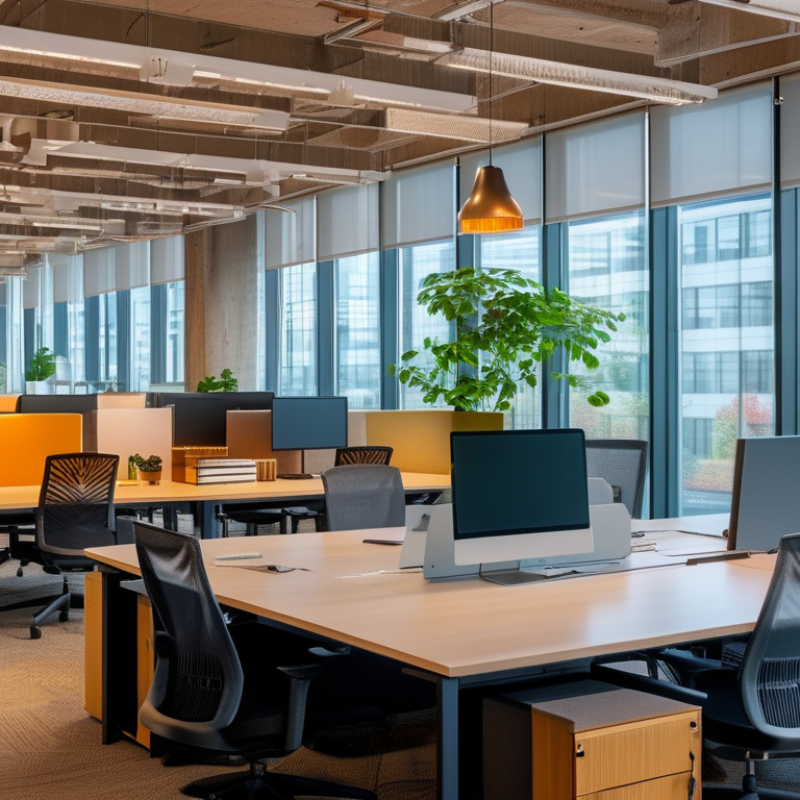
10 Reasons Why Office Lighting is Crucial Like Office Furniture?

Importance of Office Lighting for Employee Well-being

The right office lighting significantly impacts employee well-being. Proper lighting can improve mood and enhance productivity. Studies show that bright, natural light boosts energy levels. Employees feel more engaged and motivated in well-lit environments. Poor lighting leads to fatigue and eye strain. It’s essential to strike a balance between bright and comfortable illumination.

Tips for choosing office lighting: Use adjustable lighting to cater to individual preferences. Incorporate task lighting for specific areas, like desks. Consider using LED lights for energy efficiency. Natural light is ideal; open blinds whenever possible. Create a mix of light sources to avoid harsh shadows.

Inadequate lighting can diminish focus. Employees may find it challenging to concentrate in dim spaces. Moreover, the flickering of fluorescent lights can cause headaches. Reflections from screens in bad lighting can strain the eyes. Regular assessments of your office lighting can help identify these issues. Always seek feedback from employees about their lighting preferences.

Impact of Lighting on Productivity and Focus in the Workplace

Lighting plays a pivotal role in workplace productivity and focus. Poorly lit offices can lead to eye strain and fatigue. On the other hand, well-designed lighting enhances mood and energy levels. It is essential to find a balance that avoids harsh fluorescents while utilizing natural light effectively.

Consider how bright spaces can foster creativity. Employees may feel more engaged in an environment with ample sunlight. However, it’s equally crucial to incorporate adjustable lighting options. Workers should have the ability to control their light sources. This helps accommodate personal preferences and specific tasks.

Reflect on how different lighting can influence focus. A soft, warm glow can create a relaxed atmosphere, ideal for brainstorming. In contrast, cooler, brighter lights may be better for detail-oriented work. Evaluating your office lighting setup can lead to meaningful improvements. Striking the right balance between light and function is a task worth revisiting constantly.

10 Reasons Why Office Lighting is Crucial Like Office Furniture

Reason Impact on Productivity Effects on Focus Health Benefits
Natural Light Increases productivity by up to 15% Enhances mood and alertness Reduces eye strain and headaches
Adjustable Lighting Allows for personalized workspaces Improves focus on tasks Minimizes distractions
LED Lighting Increases energy efficiency Provides consistent light quality Lowers stress levels
Color Temperature Affects circadian rhythms Influences cognitive function Improves sleep quality
Light Positioning Reduces shadows and glare Enhances visual clarity Supports better posture

How Office Lighting Enhances Aesthetic Appeal and Ambiance

Office lighting plays a crucial role in enhancing aesthetic appeal and creating a vibrant ambiance. Studies show that well-designed lighting can improve mood and productivity. According to the Illuminating Engineering Society, proper lighting can increase workplace satisfaction by up to 20%. This impact is evident in spaces where employees feel energized and focused.

To elevate the atmosphere, consider using layered lighting. Combining ambient, task, and accent lighting creates a dynamic environment. Natural light is especially important. A report by the Center for the Built Environment states that daylight access can boost worker performance by 15%. Spaces filled with light are inviting and inspire creativity.

Tip: Use dimmable lights to adjust brightness throughout the day. This flexibility allows adaptation to different tasks and moods. Additionally, incorporate color temperature strategically. Warmer tones can promote relaxation, while cooler tones enhance alertness. Reflect on your current setup—does it embrace these principles? Investing in lighting not only beautifies the office but also fosters a healthier and more productive workplace.

10 Reasons Why Office Lighting is Crucial Like Office Furniture

Role of Proper Lighting in Reducing Eye Strain and Fatigue

Proper office lighting plays a significant role in reducing eye strain and fatigue. Many employees spend hours staring at computer screens, which can lead to discomfort. Bright, harsh lights can exacerbate this issue, creating shadows and glare. Instead, softer lights can enhance the working environment. Natural light, when possible, provides numerous benefits. It not only feels more comfortable but also improves mood and productivity.

Adjusting the intensity of lighting can help maintain focus throughout the day. For instance, using adjustable desk lamps allows employees to customize their own space. However, some workplaces neglect this aspect. Poor lighting may result in headaches and decreased concentration. It is crucial to recognize the signs of inadequate lighting, such as squinting or frequent changes in posture.

Incorporating proper lighting solutions can significantly improve comfort. Employees might still struggle with fatigue despite having ergonomic furniture. This highlights the importance of creating a holistic work environment. Considering individual lighting preferences shows care for employee well-being. Ultimately, the right lighting can enhance not just the physical workspace but also overall job satisfaction.

Considerations for Choosing the Right Office Lighting Solutions

Choosing the right office lighting solutions can greatly influence productivity and well-being. Natural light is ideal, but it’s not always available. Consider using bright white LEDs to simulate daylight. This helps reduce eye strain and maintains energy levels. Adjustable lighting options allow employees to set the intensity according to their tasks. This flexibility can improve comfort and focus.

Another factor is color temperature. Warmer lights can create a cozy atmosphere, while cooler lights are energizing. Think about how these variations affect moods and interactions. Overly harsh lighting might make the environment feel uninviting. Soft, diffused lighting can enhance collaboration and reduce fatigue.

It's essential to consider the layout of the office. Shadows and glare can disrupt work and lead to frustration. Task lighting on desks can support specific activities, ensuring that each employee has the right conditions. Assessing these factors thoroughly can lead to a more effective office environment. Finding the balance between aesthetics and functionality takes time and reflection. Investing in the right lighting is as crucial as selecting durable office furniture.

FAQS

: Why is office lighting important for employee well-being?

: Proper office lighting improves mood, boosts productivity, and enhances energy levels.

How can natural light affect employees?

Natural light increases engagement and motivation, leading to a more dynamic work environment.

What happens in poorly lit offices?

Poor lighting can cause fatigue and eye strain, making it hard for employees to focus.

What lighting options should be considered for offices?

Use adjustable and task lighting, and prefer LED lights for energy efficiency when possible.

How does lighting influence creativity?

Bright spaces with ample sunlight can foster creativity and enhance employee engagement.

What impact does color temperature have?

Warmer lights create a cozy atmosphere, while cooler lights can energize and enhance focus.

What should be evaluated in office lighting setups?

Regular assessments can identify issues like glare and shadows, improving the overall environment.

How can feedback from employees be helpful?

Seeking employee input on lighting preferences can lead to a more comfortable and productive setting.

Why is lighting flexibility important in the office?

Employees should control their light sources to match personal preferences and specific tasks for better focus.

What reflects on the need for office lighting reflection?

Finding a balance between aesthetics and functionality is a continuous task that requires ongoing evaluation.

Conclusion

Office lighting plays a pivotal role in creating a productive and comfortable work environment, making one wonder, "Why is office lighting as important as office furniture?" The quality of lighting directly impacts employee well-being and productivity, as adequate lighting can enhance focus and reduce distractions. Furthermore, it contributes to the overall aesthetic appeal and ambiance of the office, promoting a positive workplace atmosphere.

Proper lighting also helps mitigate issues like eye strain and fatigue, which are common in poorly lit environments. When selecting office lighting solutions, considerations such as brightness, color temperature, and the type of fixtures are essential to ensure the lighting effectively supports both the functionality of the space and the well-being of employees. A well-lit office can transform the workplace experience, making it just as crucial as the furniture itself.

Charlotte

Charlotte

Charlotte is a seasoned marketing professional with a deep understanding of the company's portfolio and a passion for elevating its presence in the market. With a keen eye for detail and a commitment to excellence, she ensures that our professional blog is regularly updated with insightful articles......